Society

25 hectares of Net Zero forest in Ca Mau are being reborn thanks to miraculous vitality.

PV June 19, 2024 20:23

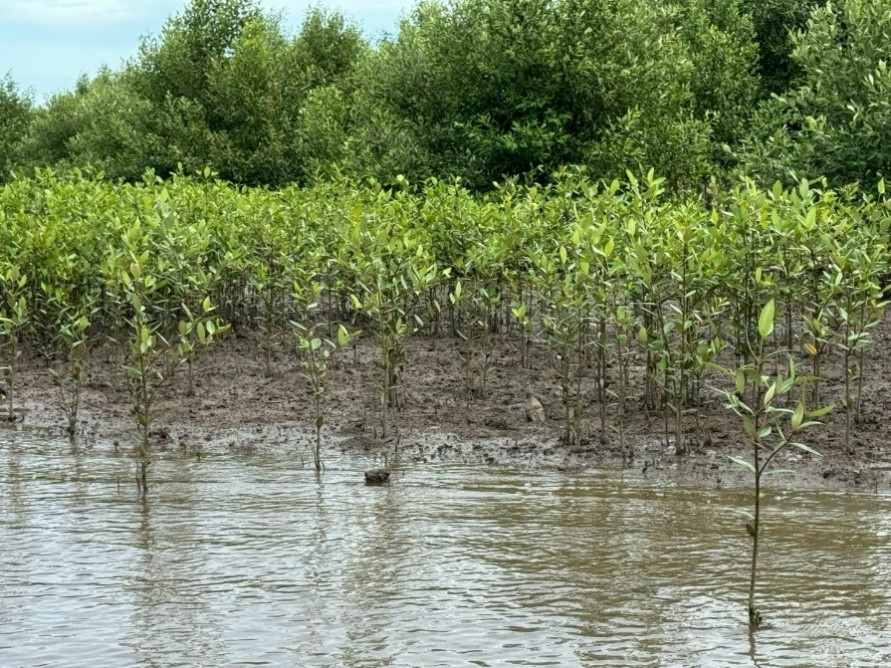
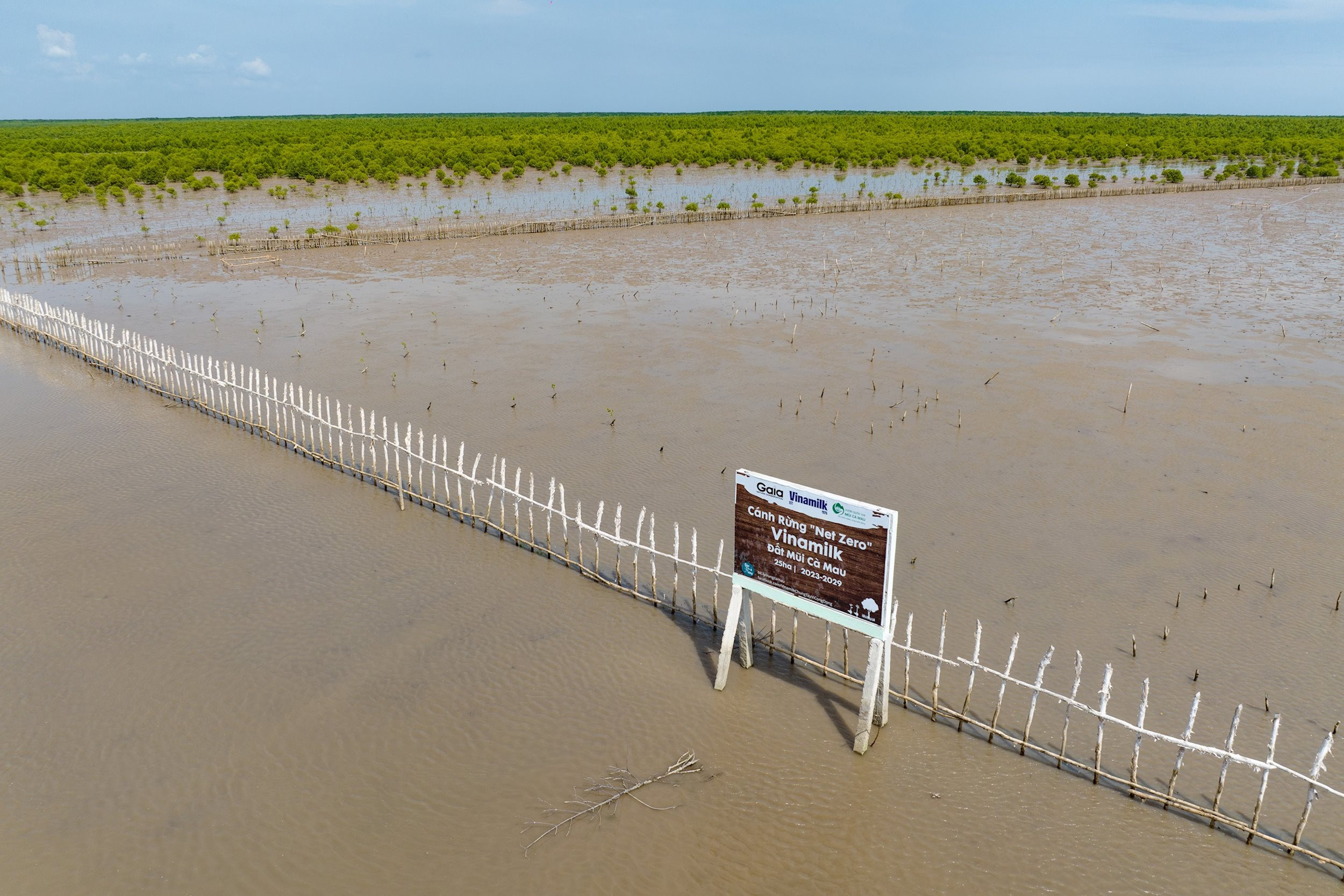
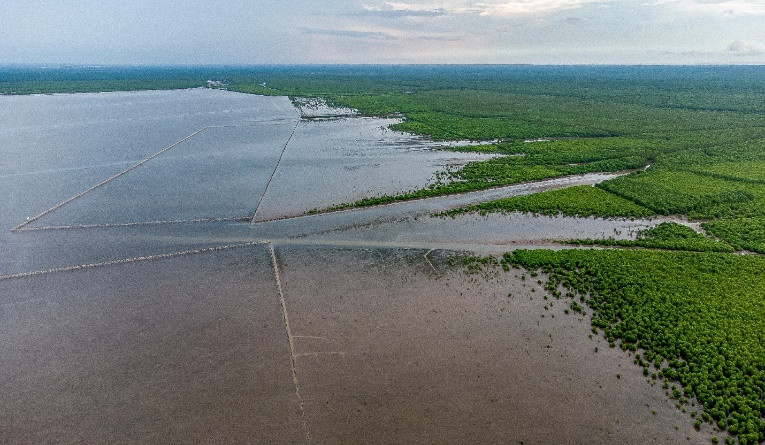
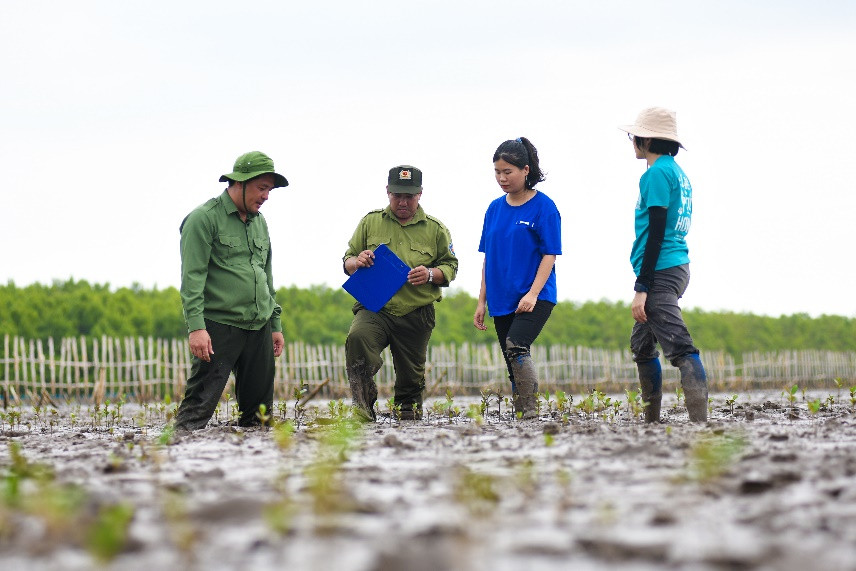
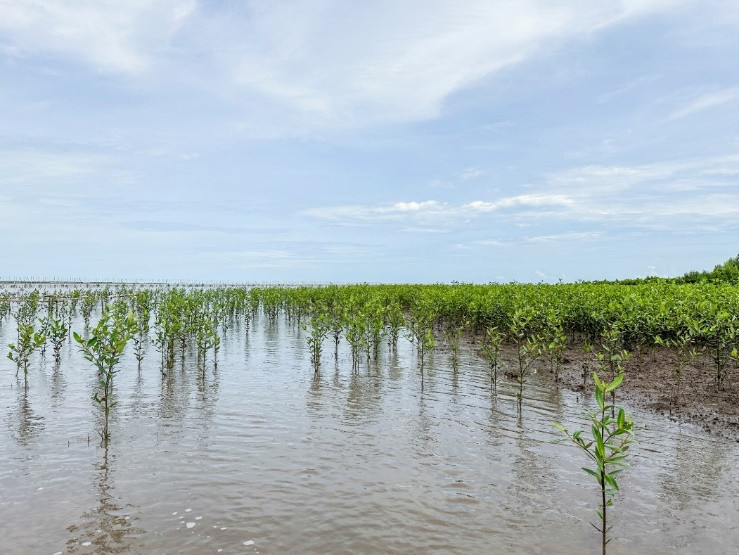
Less than 10 months after its implementation, the ecosystem within the Net Zero Vinamilk mangrove forest enclosure at Mui Ca Mau National Park has miraculously regenerated. Inside the 25-hectare protective barrier, more than 71,000 young mangrove trees have grown to 40-50cm tall, becoming breeding grounds for shrimp and fish, and attracting flocks of egrets and other birds to return and nest.
691-202406192002021.jpg
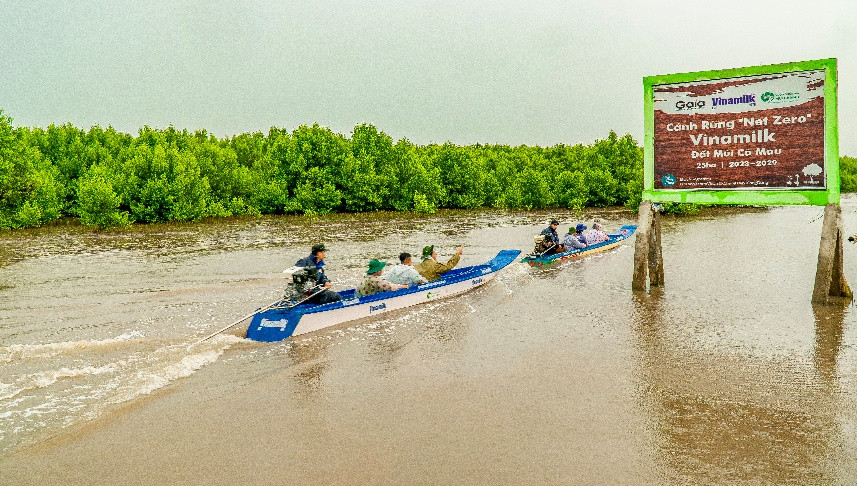
Located deep within the core area of ​​Mui Ca Mau National Park, the Net Zero Vinamilk forest project, a collaboration between Vinamilk and the Gaia Nature Conservation Center and Mui Ca Mau National Park, has been implemented for regeneration since August 2023. The project covers an area of ​​25 hectares, aiming to regenerate 100,000-250,000 trees over six years (2023-2029).
691-202406192002022.jpg
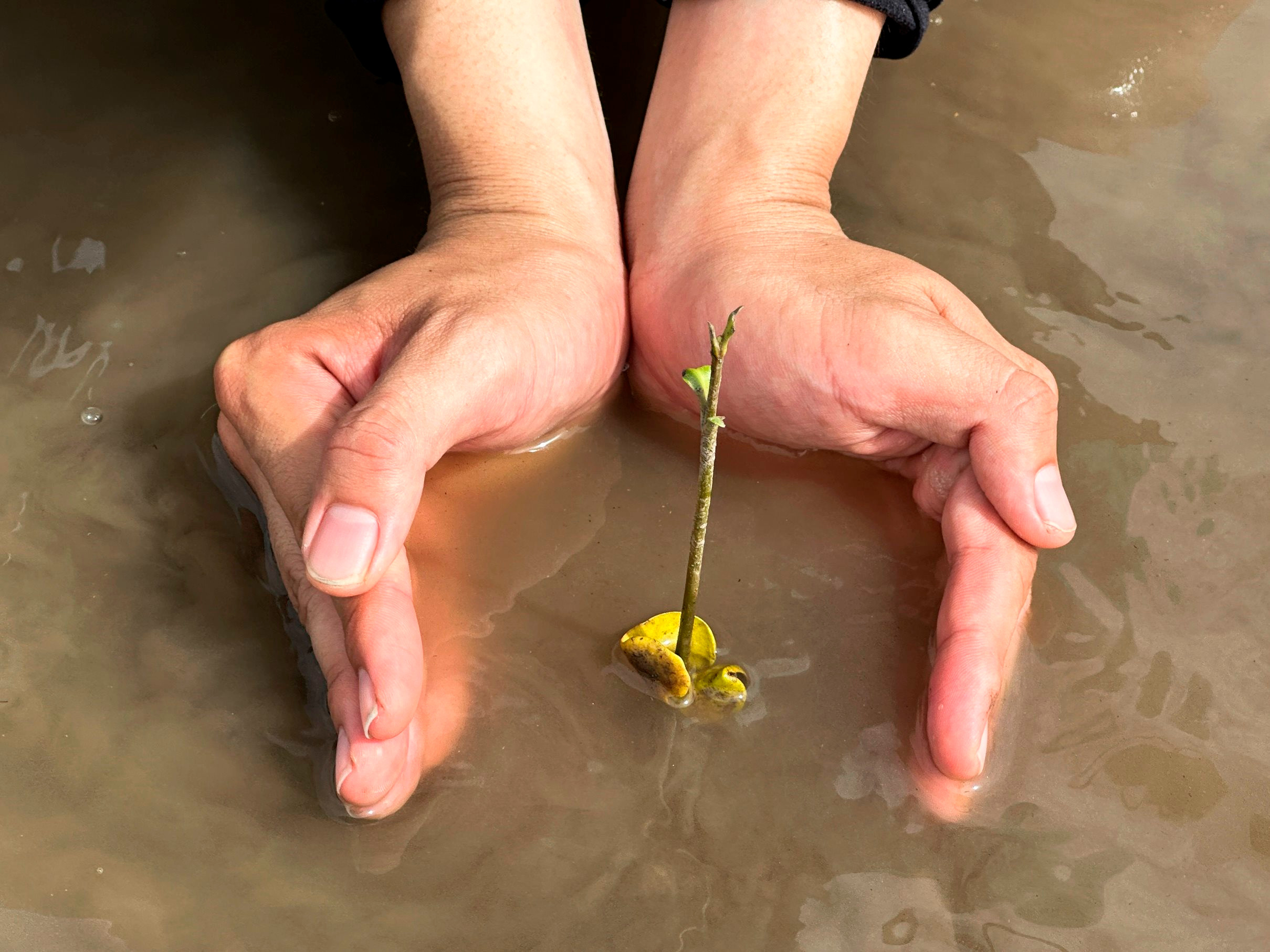
Less than nine months after the enclosure fence was erected, the forest has welcomed its first 71,000 "residents." These are black mangrove saplings that sprouted from seeds of the "mother" mangrove trees that fell last August. With their unique pulmonary root system – growing upwards from the bottom – the mangrove trees are likened to courageous "soldiers," helping to stabilize the muddy soil and creating conditions for other species such as Rhizophora apiculata, Avicennia marina, and Sonneratia caseolaris to expand towards the sea. Each year, the alluvial land can extend nearly 100 meters into the sea.
691-202406192002023.jpg
To date, more than 71,000 young mangrove trees have sprouted, reaching a height of 40-50cm. Mr. Nguyen Van Su, Head of the Science, Technology and International Cooperation Department of Mui Ca Mau National Park, said that the density of regenerated mangrove trees in the Net Zero Vinamilk forest is quite high. "With the current rate of development, we believe that the 25 hectares of forest regenerated in cooperation with Vinamilk will soon be greened, faster than the initial target," he said.
691-202406192002024.jpg
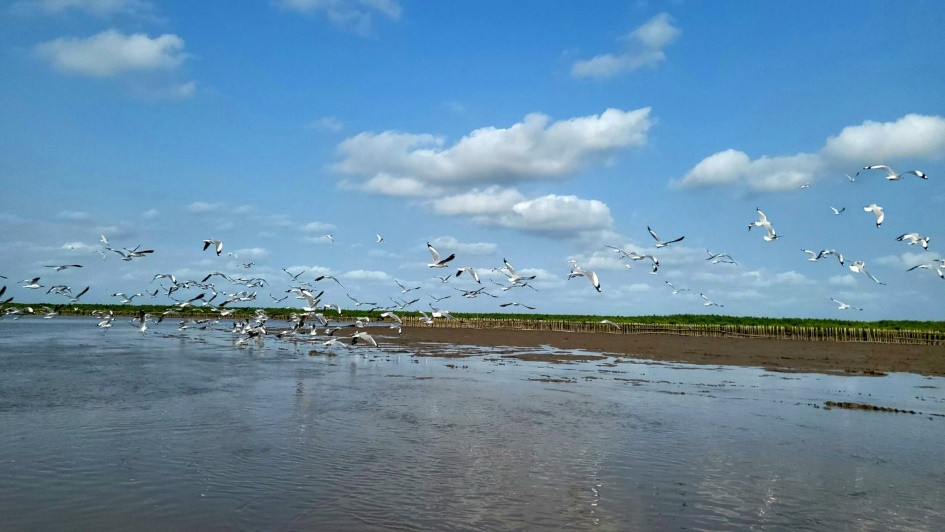
From afar, the Net Zero Vinamilk mangrove forest area is easily recognizable by flocks of hundreds of swallows and other birds, creating a lively atmosphere. Based on her years of experience in mangrove conservation, Ms. Huyen Do, Founder and Director of the Gaia Nature Conservation Center, stated that this is very encouraging. The return of these birds indicates that the forest's vegetation and ecosystem are thriving.
691-202406192002025.jpg
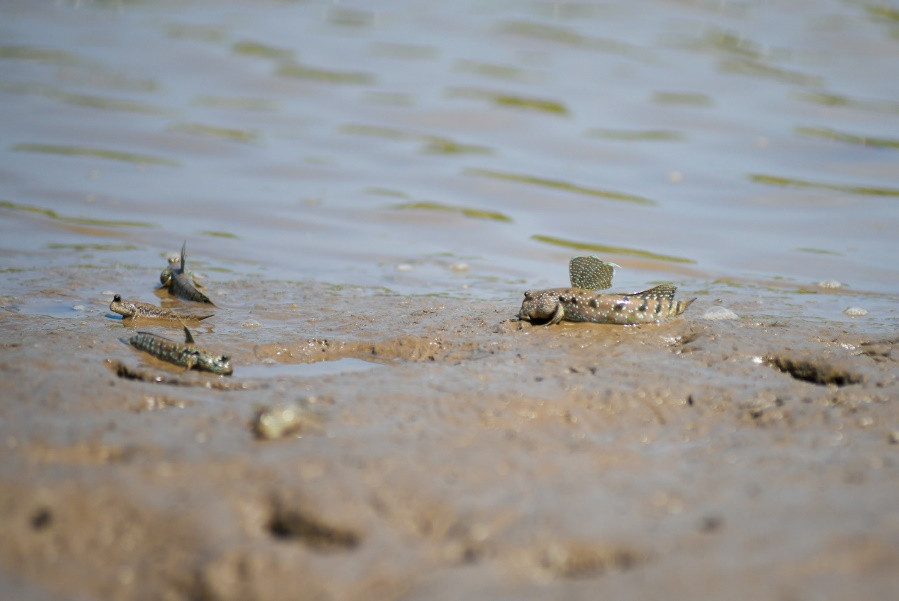
Thanks to the protection provided, countless aquatic and marine species have flocked to the Net Zero Vinamilk forest to breed. On the mudflats, mudskippers, starry gobies, crabs, mud crabs, snails, and other animals move about searching for food.
691-202406192002026.jpg
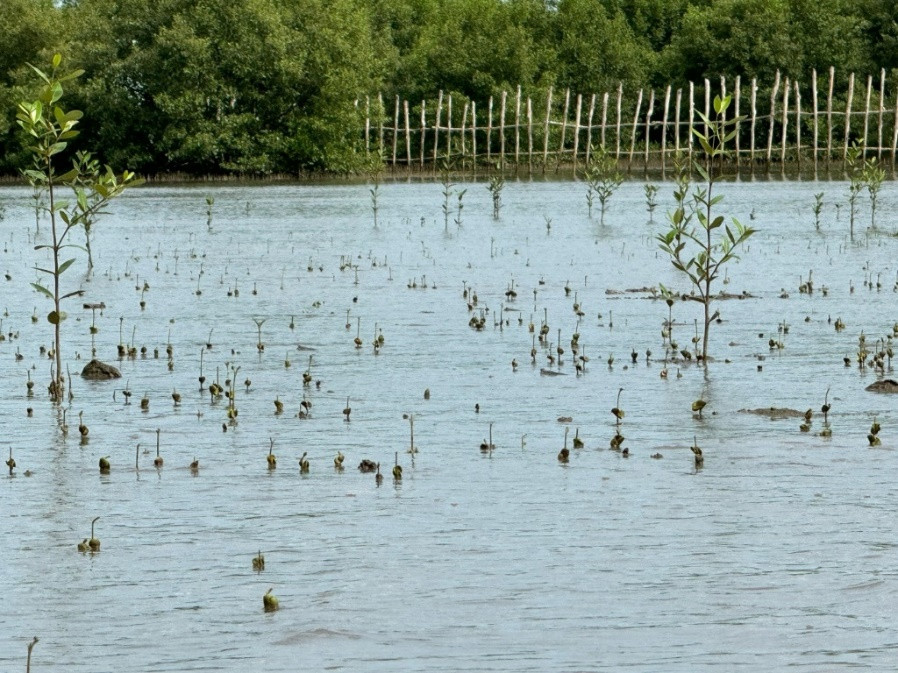
What's remarkable is that, surrounding the tall mangrove trees, there are countless white mangrove seeds germinating. According to Ms. Huyen Do, founder and CEO of Gaia, this is quite unusual, as the mangrove seed shedding and regeneration season in Mui Ca Mau National Park is usually from August to October each year.
ANH 7A
"This is a very encouraging sign, as the white mangrove seeds that fell around May have taken root and germinated. In many years of promoting mangrove regeneration, we rarely see so many mangrove seeds germinate in May," Ms. Huyen said.
ANH 8B
The area, which is currently an empty plot of land, will gradually be filled with the green of mangrove trees and other similar species in the next few years, contributing to the expansion of mangrove forests, land reclamation from the sea, and land preservation.
691-2024061920020311.jpg
Every year, Vinamilk, Gaia, and Mui Ca Mau National Park will jointly implement tasks such as reinforcing the enclosure fences, closely monitoring tree growth, and preventing risks such as diseases and adverse weather conditions to ensure the regeneration of the forest achieves the set goals after 6 years.
691-2024061920020312.jpg
With a carbon absorption capacity 4-10 times greater than terrestrial forests, Vinamilk's Net Zero forest project aims to create a carbon sink with a capacity of 17,000-20,000 tons, equivalent to 62,000-73,000 tons of CO2e. This is one of Vinamilk's concrete actions towards achieving Net Zero by 2050.
0 0 0
x
25 hectares of Net Zero forest in Ca Mau are being reborn thanks to miraculous vitality.
Google News
POWERED BYFREECMS- A PRODUCT OFNEKO