
3 lessons, 3 pillars of national governance
The country's new face is not only defined by highways, airports, and seaports with modern chip factories, but also by its national governance capacity – the "brain" that guides Vietnam's upward trajectory.
National governance capacity is not just about administrative management, but also about the ability to lead the country through difficulties and challenges, promote sustainable development with a state apparatus that operates increasingly efficiently, transparently, and better serves the people.
Vietnam has made significant progress in national governance. In the new context, we need to shift strongly from traditional "state management" (focused on control, compliance with procedures and administrative orders) to "modern state governance" (with a focus on streamlining, efficiency, and accountability).
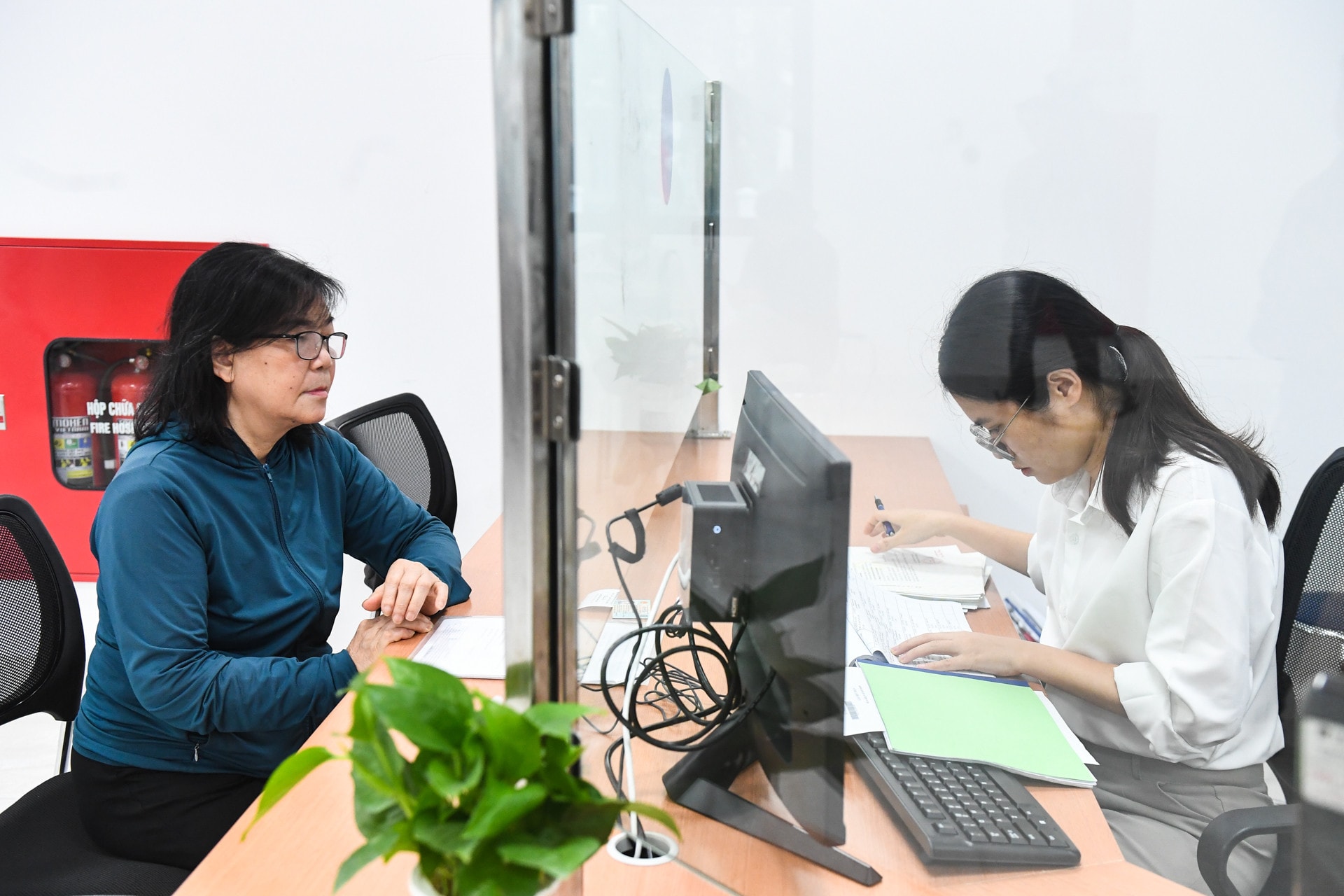
To transition from "state management" to "state governance," a comprehensive set of solutions is needed, focusing on core principles such as: the supremacy of law, with the law taking precedence over all individuals and organizations; competent and accountable officials and civil servants; and promoting digital transformation, building open data, and providing high-level online public services.
To succeed, it requires not only strong political will from the State, but also the participation and oversight of society and the market – creating a mutually beneficial relationship to protect, build, and develop the country. Most importantly, this involves shifting the mindset of public service from "ownership" to "service" – using the satisfaction of citizens and businesses as the goal and measure of evaluation.
So what can Vietnam learn from international experience in applying the above principles?
Lessons from Singapore: Excellent officials and strict rule of law.
Singapore, from a poor and corrupt colony after gaining independence in 1965, has risen to become one of the world's most honest nations thanks to its comprehensive and systematic anti-corruption strategy. The core lesson lies in combining the "stick and carrot" approach: strict laws to punish violations, and fair compensation mechanisms to encourage compliance and prevent wrongdoing.
Modern governance begins with people. Singapore implements a rigorous "elite recruitment" policy, focusing on finding the most outstanding individuals from top universities worldwide through prestigious government scholarship programs. They believe that only the most talented people are capable of shouldering the responsibility of governing the country. This rigorous selection process is accompanied by a highly competitive compensation package.
Singapore applies the principle of "private sector pay parity" to senior civil servants and professionals. The salaries of ministers and top civil servants are pegged to the earnings of the best professionals in the private sector.
This policy offers two major benefits: attracting talent and minimizing incentives for corruption. A rigorous and transparent civil servant evaluation system is also established, directly linked to promotions and bonuses. This is a robust mechanism to ensure genuine accountability and eliminate inertia within the system.
Singapore's integrity in public service is built on the principle of the rule of law, where the law takes precedence over all individuals and organizations. Anti-corruption laws are strictly enforced. The corruption investigation agency operates independently and effectively, allowing investigations into anyone, including the highest-ranking officials, if there are signs of wrongdoing. From primary school, students are taught about the consequences of corruption through civics education programs. The public is encouraged to report corruption through anonymous hotlines, creating a culture of zero tolerance for corruption. These regulations and a culture that rejects privilege and special treatment have created a fair, stable, and predictable governance environment – a key factor in attracting investment and sustainable development.
Lessons from South Korea: Science, technology, and public-private partnerships.
South Korea has transformed from one of the poorest countries in Asia in 1960 (GDP per capita below $100) into an economic powerhouse with a GDP per capita exceeding $35,000 in 2025. Since 1962, South Korea has implemented five-year economic plans, focusing on export-oriented industrialization (from textiles to electronics and automobiles). These plans are flexibly adjusted based on practical data, not rigid commands. The state selectively supports large conglomerates (chaebols like Samsung and Hyundai) through preferential loans and domestic market protection, but requires them to lead exports. Simultaneously, it supports small businesses through credit funds, avoiding inequality.

Public-private dialogue is a hallmark of South Korea's national governance. The National Economic Advisory Council meets regularly, with the participation of the government, businesses, and labor unions, to propose prompt and timely policy solutions.
Along with changes in governance models, South Korea's development also stems from an open-door strategy that prioritizes attracting global experts to high-tech fields. Simultaneously, it maintains an objective and fair civil service examination system, ensuring high-quality entry-level positions, and expands the scope of recruitment (foreign experts, technical experts) to supplement the workforce for strategic sectors.
South Korea has adopted new governance models that emphasize output rather than simply adhering to administrative procedures. Senior civil servants in South Korea frequently sign performance contracts with specific, quantifiable goals. Their promotions and bonuses depend directly on the extent to which these targets are met. This creates positive pressure, forcing officials to act efficiently and with high accountability.
Lessons from Estonia: Digital Government and Digital Society
Estonia, a poor post-Soviet nation in 1991, has become a leading "digital nation" thanks to its e-Estonia strategy since 2001. With a population of only 1.3 million, it offers globally valuable lessons demonstrating that technology is key to modernizing governance, increasing transparency, and reducing costs.
Estonia is a pioneer in government data transparency (Open Data). The release of raw data (excluding sensitive personal data) allows the private sector, developers, and civil society to use it to create new applications, while also effectively monitoring public spending and government performance.
Estonia has built almost all of its public services on a digital platform with two pillars. First is the e-Identity card – a comprehensive digital identification system that manages remote work and forms the foundation of one of the world's most developed digital societies. Second is the X-Road system – a digital backbone that allows databases from different government agencies to connect and exchange information securely and safely. Thanks to this, Estonia strictly applies the "one-time information provision principle," minimizing direct contact between civil servants and citizens/businesses – reducing opportunities for petty corruption and increasing transparency, fairness, and trust in the public service.
The three lessons from Singapore, South Korea, and Estonia are not a magic formula, but they demonstrate that governance transformation is inevitable and feasible when we have political will, strong institutions, and strict enforcement.
Vietnam is on the right track and needs to continue prioritizing the three pillars in a coordinated manner.
1. Laws/Institutions: Institutionalize and strictly enforce regulations on accountability and anti-corruption in the public sector.
2. Human Resources: Thoroughly reform the salary system and recruitment methods to attract and retain highly skilled talent for strategic positions in the public sector.
3. Technology/Infrastructure: Accelerate the completion of national databases (population, land, businesses) and data sharing platforms to realize the "one-time delivery" principle in public services.


