
3 types of eating habits that silently 'destroy' your liver.
Consuming excessive amounts of sugar and fat, using moldy food, or overusing "liver-cooling" products can put an extra burden on the liver.
According to Dr. Lam Nguyen Thuy An, a specialist at the University Medical Center of Ho Chi Minh City - Branch 3, the liver plays a central role in the metabolism of sugar and fat. When the body consistently consumes more energy than needed, excess fat can accumulate in liver cells, increasing the risk of fatty liver disease related to metabolic disorders.
If risk factors are not controlled, fatty liver disease can progress to hepatitis, fibrosis, and ultimately cirrhosis in some people.
Eating too much sugar and fat.
Habits such as drinking a lot of soda, milk tea, sugary drinks, eating sweets and candies frequently, consuming fast food, fried foods high in oil and fat, or overeating at night can all cause the body's energy intake to exceed its needs.
Therefore, reducing sugary drinks, controlling portion sizes, and avoiding late-night eating are simple changes that can lessen the metabolic burden on the liver.
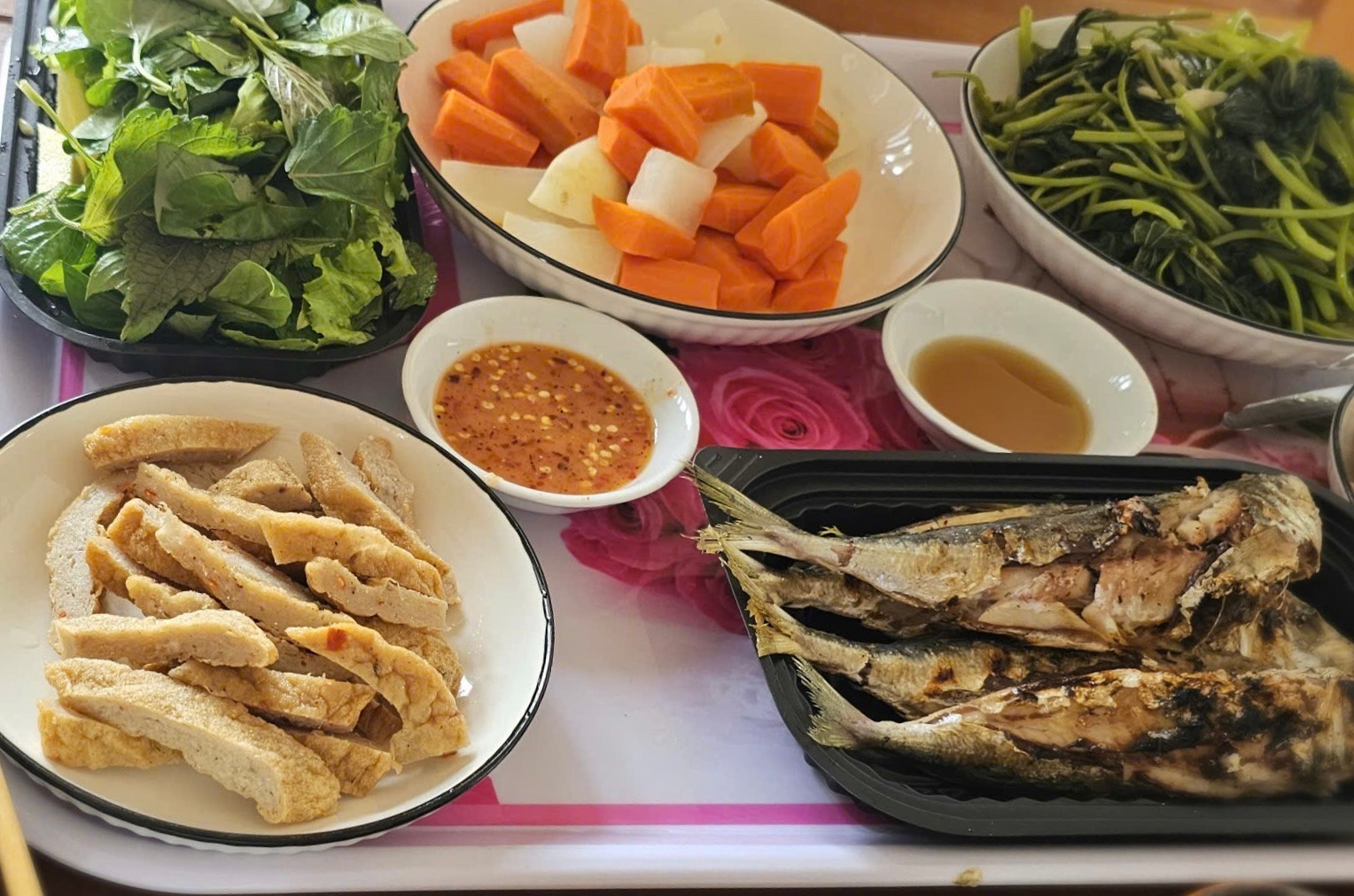
A liver-friendly diet doesn't need to be complicated. People should prioritize green vegetables, fruits in appropriate amounts, whole grains, and healthy protein sources such as fish, lean meat, eggs, tofu, and beans; while limiting sugar, saturated fats, processed foods, and fast food.
Eating moldy food is unsafe.
Not only high-energy diets, but also unsafe food can harm the liver.
Some grains and nuts, if not stored properly, can become contaminated with aflatoxin – a toxin produced by certain species of Aspergillus fungi. Aflatoxin is a known carcinogen and is particularly associated with an increased risk of liver cancer.
Therefore, people should not be stingy and continue to use food that is moldy, has an unusual smell, or shows signs of spoilage. Storing food under appropriate conditions, maintaining hygiene during preparation, cooking food thoroughly, boiling water, and washing hands before eating also reduce the risk of contracting some gastrointestinal diseases, including hepatitis A and hepatitis E.
Misuse of products marketed as "liver cooling" or "liver detoxification".
When experiencing acne, itchy skin, fatigue, or a feeling of "internal heat," many people assume their liver is "hot" or "weak" and seek out products advertised as "liver cooling" or "liver detoxification."
However, these symptoms are not specific to liver disease and can appear in many different health conditions. You should not rely on these symptoms to self-diagnose or self-medicate with long-term treatments.
According to Doctor An, there is no basis for considering products advertised as "liver cooling" or "liver detoxification" as a means of cleansing the liver or restoring liver function in healthy individuals. The use of health supplements, medications, or herbal products of unknown origin also carries the risk of liver damage.
This does not mean that all medicinal herbs are harmful. Some herbs can be used in treatment when appropriately indicated. However, people should not self-medicate for extended periods, combine multiple products, or believe unverified advertisements.
The liver has a good compensatory capacity, so liver disease can progress over a long period without obvious symptoms. By the time symptoms become apparent, the disease has sometimes already progressed to a severe stage.
People should seek medical attention if they experience symptoms such as jaundice (yellowing of the skin and eyes), dark urine, pain or discomfort in the right lower abdomen, abdominal bloating, leg swelling, persistent fatigue, or unexplained weight loss.
For people with chronic liver disease, regular check-ups and monitoring are more important than relying solely on subjective feelings.


