
3 types of 'charms' that should always be kept at the head of the bed.
This doesn't refer to any kind of exorcism charms in the spiritual realm, but these three charms help you prevent unexpected misfortunes that may occur while sleeping. They include: 1 glass of water, 1 needle, and 2 aspirin tablets.
In modern life, there are two types of symptoms that can instantly claim a person's life: stroke and heart attack. These three amulets, readily available, will help you snatch your life back from death.
1. Two aspirin tablets
One of the major life-threatening problems is mild heart attacks. They appear very subtly and are almost imperceptible; you may not even feel any chest pain.
A heart attack can occur during peaceful sleep. |
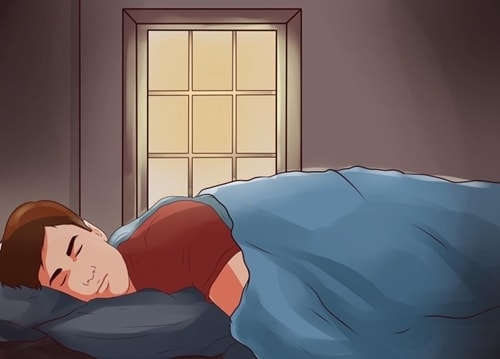
Initially, the body will exhibit symptoms unlike those of heart disease, followed by pain on the left side. Next, you may experience nausea, cold sweats, goosebumps, and other unusual, uncommon symptoms. The patient continues to experience increasingly severe chest pain, enough to wake you up in the middle of the night.
Most people who have a heart attack experience no pain, so once they fall asleep, they may never wake up again. If you are lucky enough to experience any of the symptoms described above, immediately suck on two aspirin tablets (always keep them by your bedside) until they dissolve, then drink some water.
Take aspirin immediately if you experience any signs of a heart attack. |
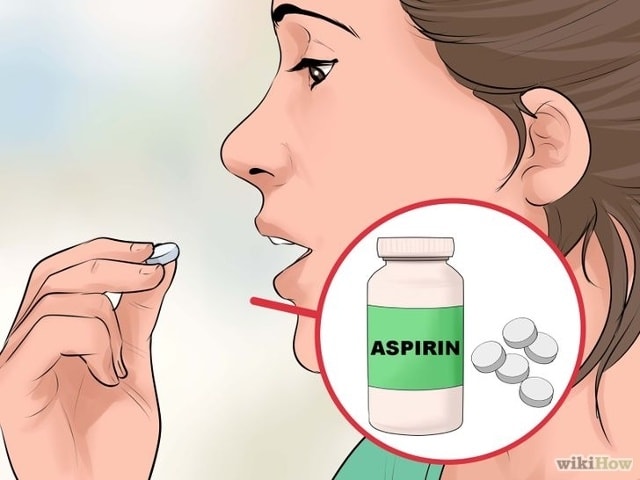
Next, you must be immediately taken to the emergency room, and at the same time, inform the doctor that you have just taken two aspirin tablets. While waiting for the ambulance, sit on a chair or sofa.
2. A needle
Stroke is a dangerous disease, yet it is quite common, especially among middle-aged and elderly people. Patients suddenly experience a blockage or rupture of blood vessels in the brain.
When a stroke occurs, the capillaries in the brain rupture, causing the patient to suddenly experience a severe headache, loss of balance, and a fall. In this situation, you shouldn't panic. Regardless of where the patient is—in the bathroom, kitchen, or office—keep them still and motionless. Movement can worsen the rupture of blood vessels. Keep the patient in a stable position. If the patient cannot sit up on their own, have them sit on your lap, holding them in that position to prevent them from falling again.
A stroke can cause patients to lose their balance and fall. |
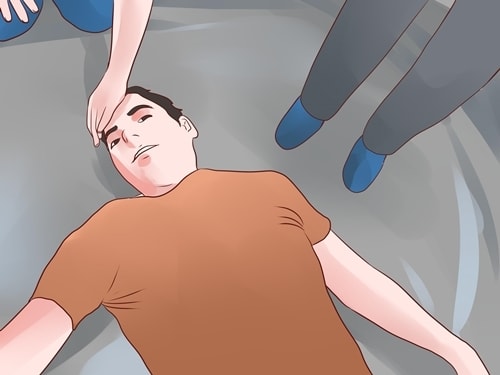
Once seated, begin asking the patient how they feel. If the patient is unable to speak, making muffled sounds, has a distorted face or mouth, drools, or exhibits other symptoms, you must immediately take the following two actions. First, call for emergency assistance or help from others as quickly as possible. Second, find a sharp needle, preferably a clean one, or use a lighter to burn the tip of the needle, or thoroughly clean the needle with saliva; you can even use your teeth for emergency treatment.
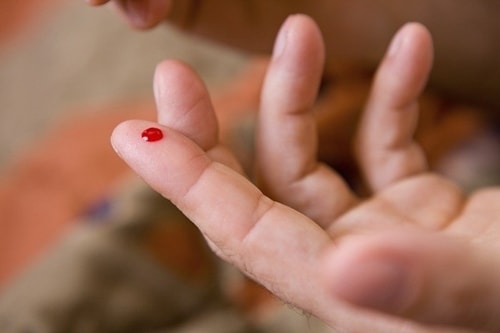
You use a needle, a sharp object, or even your teeth to bite the patient's ten fingertips, causing a few drops of blood to flow out. If the blood doesn't flow out on its own, you can puncture the skin and squeeze firmly to draw blood. Note that all ten fingertips must be made to bleed in this way.
Use the tip of a needle to prick the tips of all ten fingers and squeeze out the blood. |
Next, while waiting for emergency services, you can use your finger with moderate pressure to gently stroke the patient's earlobe from top to bottom. Prick two holes in the earlobe with a needle to draw a few drops of blood. Wait a few minutes; the patient may not arrive until the ambulance arrives, at which point they will show signs of regaining consciousness. The patient will begin to recover the function of their mouth and eye muscles, and the facial asymmetry will lessen (the mouth will no longer be distorted).
Wait until the patient feels completely normal before taking them to the hospital. Skipping these first aid steps and immediately taking them to the hospital means that the movement and shaking during transport can cause more serious blood vessel rupture.
Fingers are connected to the heart; inducing bleeding can help lower blood pressure immediately. The hands have many acupressure points connected to the body; stimulating these points helps the body recover quickly.
3. A glass of water
If you have a history of heart disease, make it a habit to drink water before bed and keep a glass of water in your bedroom. This is to provide timely assistance in case of angina, heart attack, or other cardiovascular problems.
Drink a glass of water before bed. |
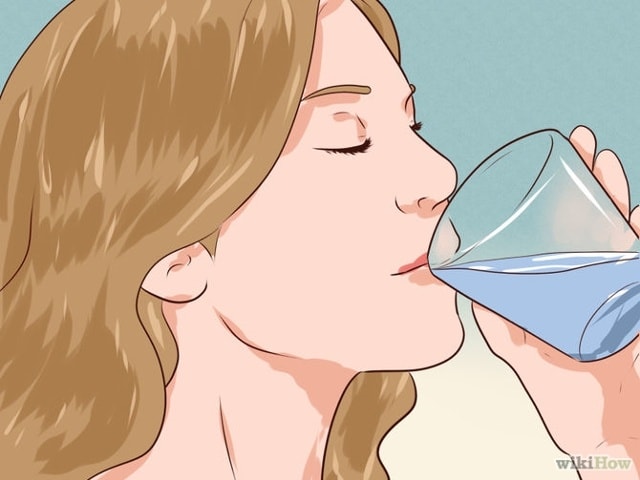
These conditions are caused by excessively high blood viscosity. During sleep, the body sweats and loses water, leading to a decrease in blood water content, causing blood viscosity to rise higher than normal. Therefore, drinking a glass of water before bed can reduce blood viscosity and lower the risk of heart attack. Or, if you feel unwell upon waking, drink a glass of water immediately and rest for a while before getting out of bed.
TP (compiled)
| RELATED NEWS |
|---|


