
3 types of noises that can help you identify what problems your car has that need fixing.
Sometimes, simply by listening to the noises you hear while driving, you can deduce what problems your car might be experiencing.
Unusual noises emitted during vehicle operation are not only annoying but also a warning sign of potential internal malfunctions. Accurately identifying and describing these types of noises will help technicians diagnose vehicle problems more quickly and precisely.
Here are three common types of noise and how they can help you identify problems with your car:
The noise is intermittent.
This is a type of "on and off" sound, often appearing without a fixed cycle. It could be a slight hiss, a clicking sound, or any strange noise that suddenly pops up and then disappears. This type of noise is usually infrequent—sometimes it seems to have a certain rhythm, but mostly it's completely random, making it more difficult to pinpoint the cause.
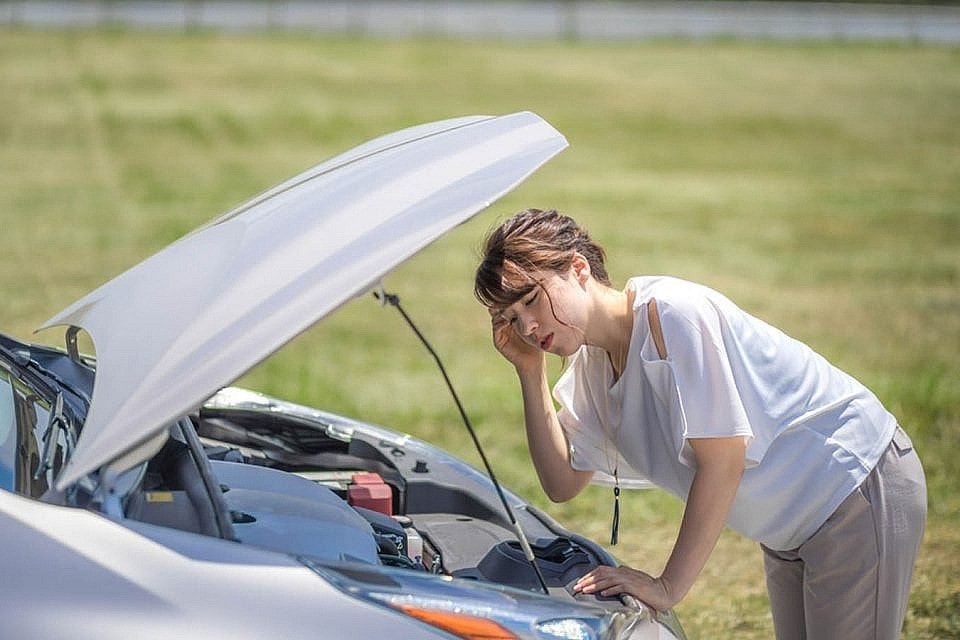
When notifying the mechanic, you should clearly describe the frequency and timing of the noise – is it regular, or does it occur only once and then stop? One of the most frustrating situations is when you take the car to the garage and the problem is gone. Therefore, try to note down the circumstances of the noise as detailed as possible, such as when the car is cornering, accelerating, or braking.
These details are important clues that help mechanics easily identify the cause. For example, a clicking sound when cornering could be related to the suspension system, while a squeaking sound when braking is a sign of worn brake pads.
Noise increases with vehicle speed.
The noise it produces has a regular rhythm and gradually increases as your car accelerates, as if the car is "tapping" in sync with the speed.

You can check by accelerating the vehicle and seeing if the noise gets louder or more frequent. If so, the cause could be from parts that rotate at high speed, such as the wheels, driveshaft, axles, or braking system. Sometimes, uneven or unbalanced tire wear can also produce such a sound.
Helpful tip: roll down your windows and drive along the wall or through the tunnel; you can clearly hear the echoes and even identify which side of the car the sound is coming from.
Noise from engine speed
This type of noise changes with engine RPM, not vehicle speed. This means you'll hear the noise increase when you press the accelerator and decrease when shifting gears. This could be a sign of a problem with the engine or the exhaust system.
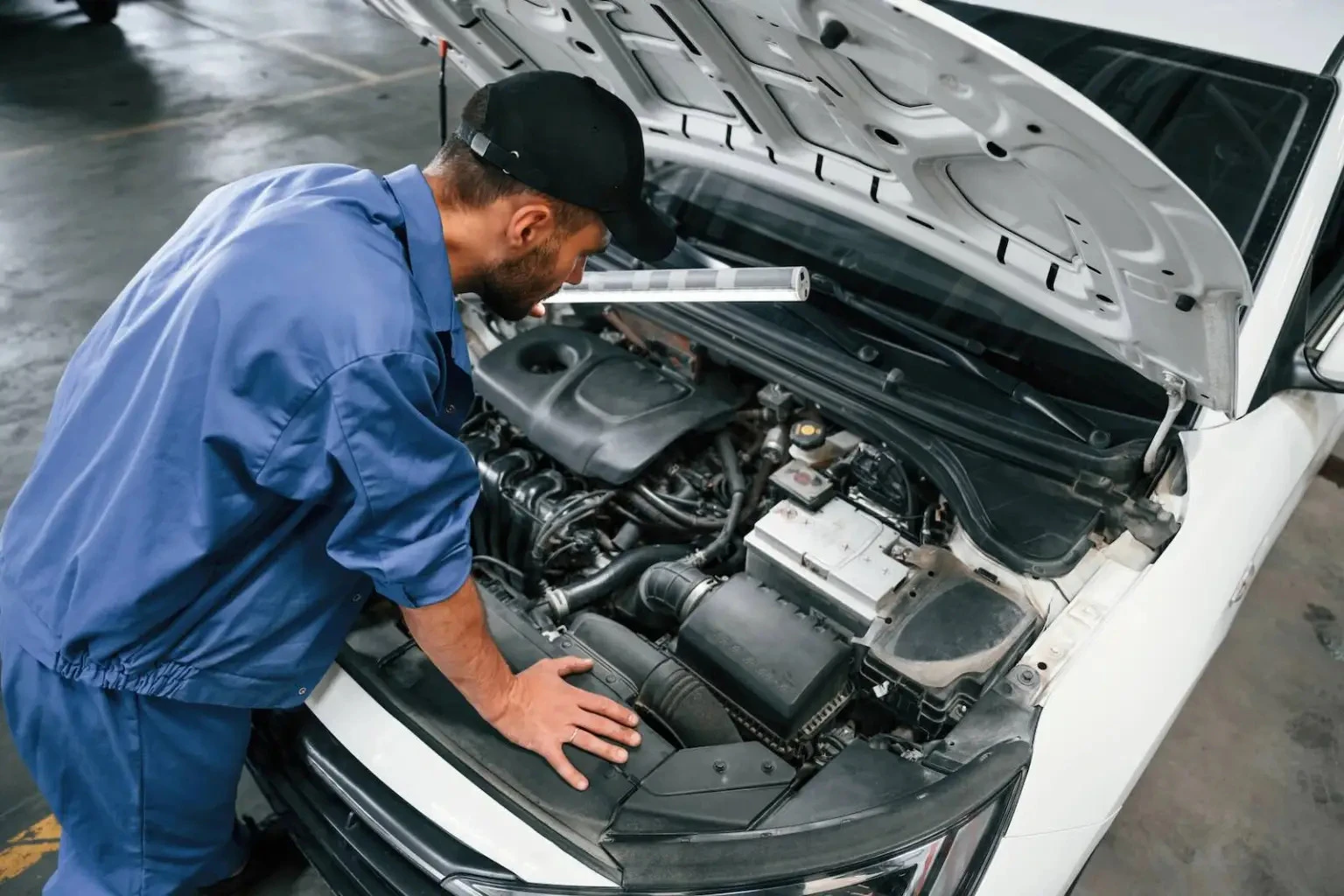
A simple way to check is to let the car idle and gently press the accelerator. If the noise appears and increases with engine speed, you should schedule a visit to a garage for a mechanic to check it as soon as possible. Because if the problem lies with the engine, this could lead to expensive car repair costs.
Should you self-diagnose car noise?
Identifying the problem yourself not only helps you communicate more effectively with the mechanic and decide whether you can drive to the garage yourself or should call roadside assistance, but it also allows the mechanic to prepare the necessary equipment and estimate the repair time.
However, most importantly, your safety should always come first. If you're unsure, don't hesitate to call a professional. Sometimes, caution is what saves you from greater losses.


