
Who are the three German candidates who could mediate Russia-EU negotiations?
Anyone can participate in the dialogue between Europe and Russia. The most important thing is to resume this process. This was the central message when the Kremlin commented on the possibility of appointing a mediator for Russia-EU negotiations.
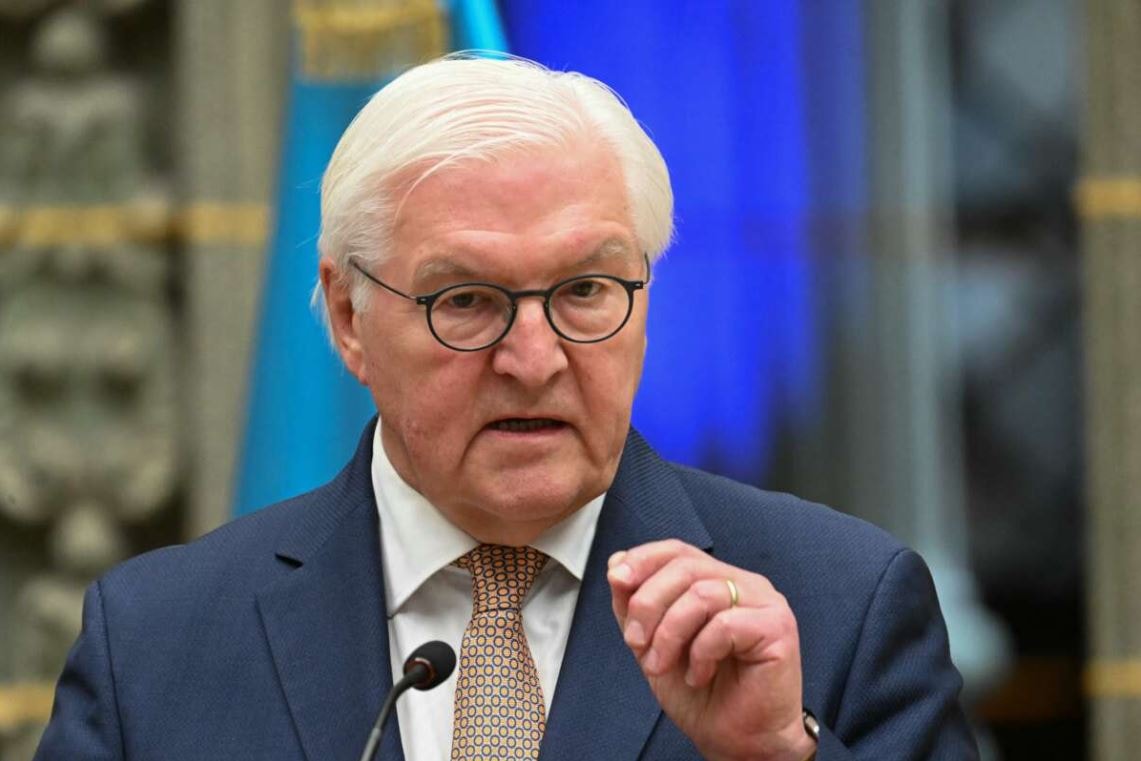
According to RIA Novosti on May 12, Kremlin spokesman Dmitry Peskov recently spoke with the news agency about the possibility of German President Frank-Walter Steinmeier being appointed to lead the Russia-EU negotiations.
Peskov emphasized: "Now we can predict. We can list all the prominent names. Anyone can participate. The most important thing is to have the political will to restore dialogue."
Meanwhile, European Council President Antonio Costa said he was discussing preparations for negotiations with Russia with EU leaders when "the time is right."
Earlier on May 9th, President Vladimir Putin also addressed the issue with the press. The Russian leader assessed former German Chancellor Gerhard Schröder as the preferred candidate. However, Putin noted that Europe must make its own decision. At the same time, they need to choose a trustworthy leader who does not make harsh statements directed at Moscow. The Russian president also emphasized that it was Europe, not Russia, that proactively refused to negotiate.
Earlier, the German magazine Spiegel reported that the German ruling coalition was holding internal discussions. The coalition (comprising the CDU/CSU and the SPD) was considering appointing Steinmeier as a mediator for dialogue between Europe and Russia.
Another name mentioned is former German Chancellor Angela Merkel. However, her office declined to comment to Spiegel on the possibility of taking on this role. The article stated: "The specific question of whether Merkel envisions herself in a mediating role remains unanswered."
According to sources, no party has actually approached Merkel. A source from the German government confirmed that officials are only willing to discuss "genuinely serious proposals." These proposals must satisfy all parties involved in the negotiations.


