
371 referees involved in betting scandal in Türkiye: Mourinho was right.
TFF confirms 371 out of 571 referees have betting accounts, with over 150 regularly gambling; suspected bias at PFDK plunges Super Lig into a crisis of confidence.
Turkish football is rocked: in Istanbul, the President of the Turkish Football Federation (TFF), Ibrahim Haciosmanoglu, admitted that 371 out of 571 practicing referees have betting accounts, with over 150 regularly participating in gambling. Some cases involved bets of up to 18,000 times, and others were linked to over 1,000 matches. These figures turn Jose Mourinho's earlier warning about the Super Lig being "gloomy and foul-smelling" into an accurate prediction.
The Super Lig earthquake: TFF exposes its own system.
Haciosmanoglu said, "We start by cleaning up our own house." This statement reflects determination, but also exposes the extent of the corruption within the governing system. Under current regulations, referees involved in betting can be banned for 3 months to 1 year. However, with 371 out of 571 people named, the issue is not just individual discipline but an institutional crisis.
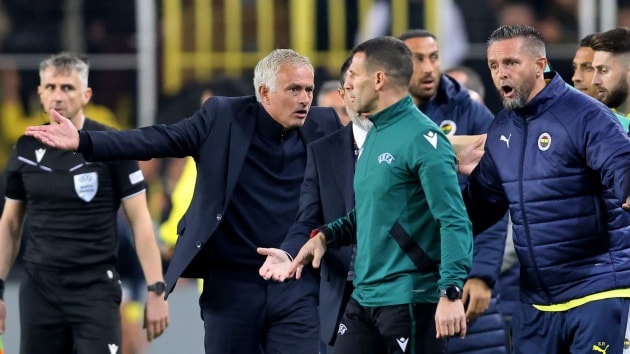
From Mourinho's warning to a systemic crisis.
Since taking over as manager of Fenerbahce in the summer of 2024, Jose Mourinho has repeatedly criticized the quality of referees and the football environment in Türkiye, resulting in penalties and coaching bans. At the time, many believed he was seeking attention. However, the facts recently released by the TFF have led to reconsideration of Mourinho's assessment: this is a structural problem, not just a few "rotten apples."
Meanwhile, journalist Tahir Kum's revelations about internal messages from the Professional Football Disciplinary Committee (PFDK) — considered the "supreme court" of Turkish football — further deepen the crisis. According to these messages, a member allegedly shared biased messages, even mocking Mourinho and Fenerbahce, implying "teaching Mourinho a lesson." If these messages are verified, the issue has transcended the personal sphere to become a crisis of trust at the institutional level.
The numbers speak for themselves.
- 371 out of 571 referees have betting accounts (according to TFF).
- Over 150 referees regularly gamble.
- Some people placed bets up to 18,000 times; others were involved in more than 1,000 matches.
- Current penalty framework: a ban from practicing the profession for 3 months to 1 year for referees involved in betting.
| Index | Value |
|---|---|
| Chief referee currently in office | 571 |
| The referee has a betting account. | 371 |
| The referee is a frequent gambler. | Over 150 |
| Highest number of bets placed (by an individual) | 18,000 times |
| Related to the number of matches played (by an individual) | Over 1,000 matches |
The breaking point of trust
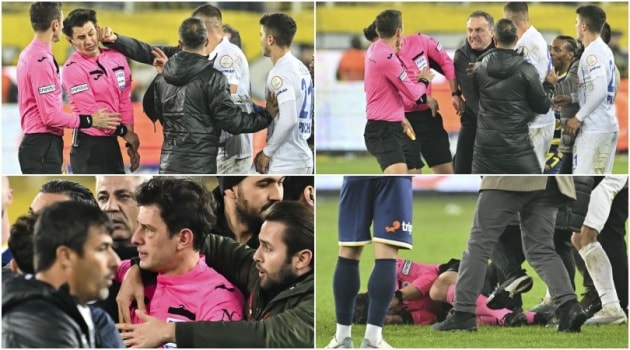
Less than two years after President Ankaragucu stormed onto the pitch and punched referee Halil Umut Meler, now a series of referees are facing allegations of match-fixing. With referees, disciplinary bodies, and top officials all embroiled in scandal, the biggest question isn't about the individual penalties, but about restoring public trust: how many penalties and red cards in the past five years were "clean"?
Consequences and the need for reform
From a governance perspective, the TFF's message of "cleaning up the house" is a necessary starting point. But given the scale of the violations, isolated disciplinary measures are unlikely to be enough to restore trust. The Super Lig—a league once proud of its vibrant atmosphere—is facing the deepest ethical crisis in its modern history. As Mourinho once said: "You just have to let football speak for itself." This time, reality has spoken for him.
Conclude
The match-fixing scandal involving referees not only distorts the game but also threatens the legitimacy of the entire Turkish football ecosystem. If the future of the Super Lig is to be preserved, it's no longer a matter of "cleaning up" but of rebuilding from the ground up — ensuring transparency in procedures, upholding sporting justice, and restoring audience trust.


