
4 essential skills every car user should know.
Mastering basic car skills such as changing a tire, checking the key battery, or inspecting the windshield wipers will not only save you time and money but also allow you to "save yourself" in unexpected car breakdowns.
A flat tire, a dead battery, or a dead key that won't unlock the car... these are common problems many car owners encounter in their daily lives. When faced with these situations, many drivers worry and struggle to figure out how to handle them. Some, especially female drivers, often call a tow truck for assistance. However, this option is usually time-consuming and costly.

Therefore, car users need to equip themselves with some basic skills to be able to handle simple problems such as a flat tire, a dead battery, or being unable to open the door because the key fob battery is dead. Below are 4 basic skills car users should know while using their cars:
Changing car tires
Changing a tire is one of the most basic skills drivers and car owners need to know when using a car. In unforeseen circumstances such as a flat tire or a punctured tire, especially when you're on a deserted road with no repair shops or service centers nearby, the ability to change a tire yourself will be extremely useful.
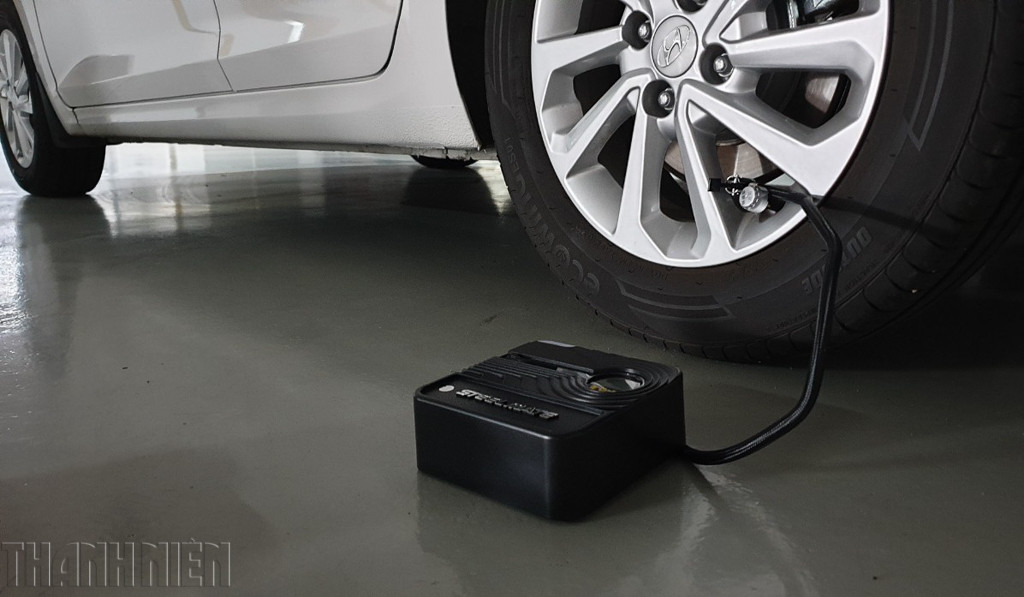
Changing a car tire might seem complicated, but it's actually quite simple. First, when you notice a low tire pressure, find a safe place to park. Then, retrieve the tire changing kit, usually found in the glove compartment under the trunk floor or under the passenger seat. Use a jack to lift the car near the tire that needs changing. Lift the wheel 7-10 cm off the ground so it can be easily removed. Then, loosen the lug nuts until the wheel is completely detached from the axle. Remove the spare tire, usually stored in the trunk or hanging under the car, and tighten the lug nuts in a symmetrical order. Finally, lower the jack and tighten the lug nuts securely.
Jump-start or replace the battery.
Besides changing tires, jump-starting or replacing a dead battery is also a skill car owners should know. A car failing to start due to a dead battery is a common problem, often caused by forgetting to turn off the lights or leaving the car unused for extended periods. In this situation, using a jump starter or jumper cables will help resolve the issue of a dead battery preventing the car from starting.
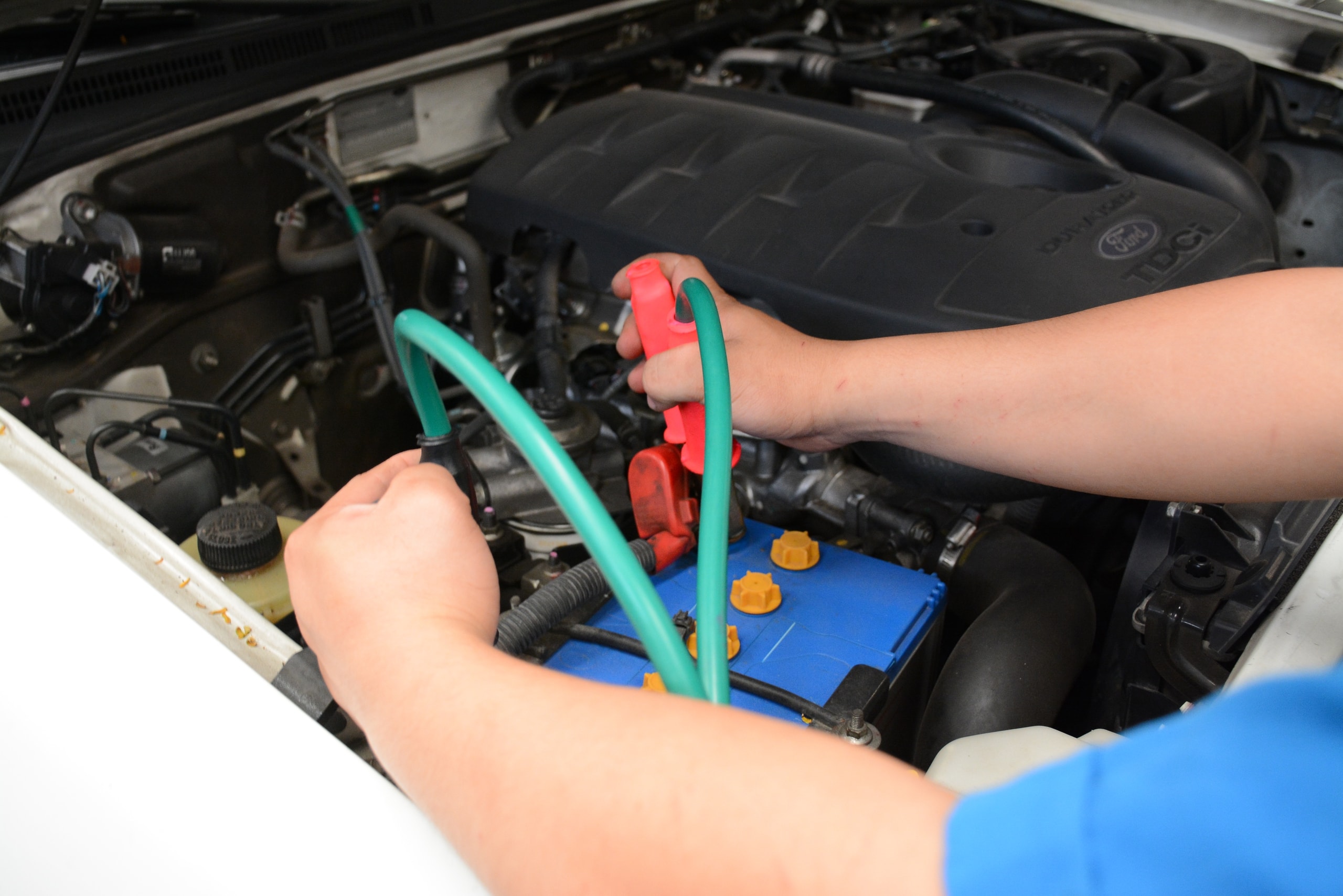
For maximum convenience, it's best to use a jump starter kit instead of jumper cables. These devices are currently available in various sizes, styles, capacities, and price ranges. Depending on your budget, car owners can easily purchase them online. Simply plug the cables into the charger, then use one red clamp on the jumper cable to connect to the positive terminal of the car battery. Connect the black clamp on the jumper cable to the negative terminal of the battery or an unpainted metal plate on the car. Mini jump starters usually have two indicator lights, one green and one red. When the cables are correctly connected to the corresponding terminals on the car battery, the green light will turn on. Activate the jump starter and wait about 1 minute before starting the engine. After the engine starts successfully, disconnect the jumper cables.
Replace the smart key battery.
These types of keys are usually powered by batteries. Therefore, after a period of use (approximately 1-2 years), the batteries in the key will gradually run out, causing the key to malfunction, have difficulty receiving signals, or run out of battery and be unable to start the car normally.
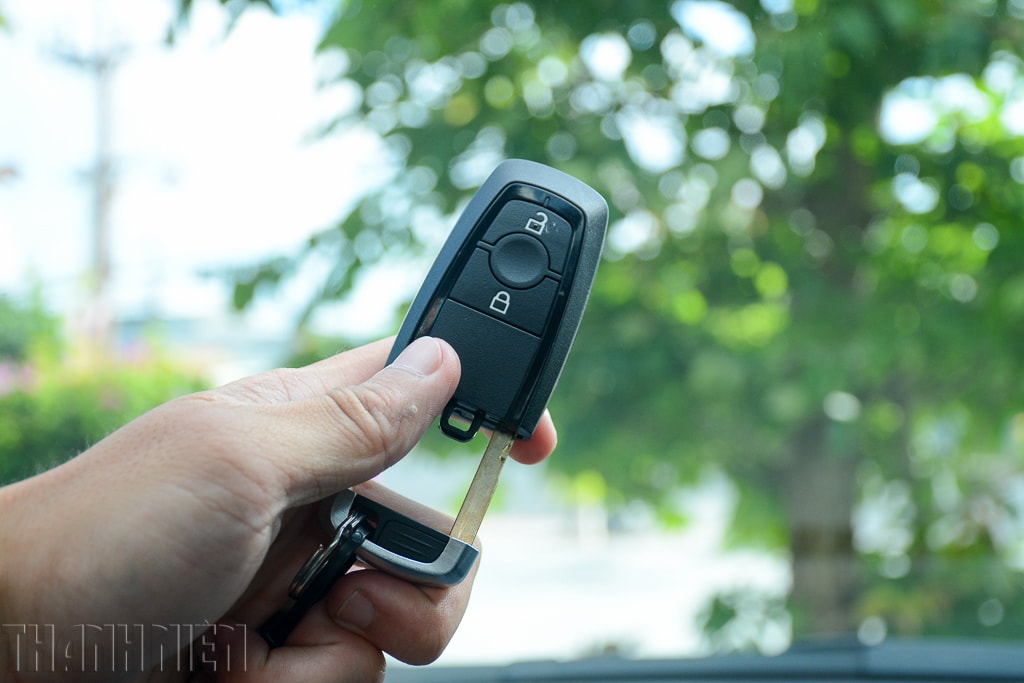
When a smart key's battery runs out, drivers should replace it promptly for continued use. The batteries used in car smart keys are usually flat, round batteries sold at car dealerships or auto parts and accessories stores. Some car manufacturers recommend replacing smart key batteries after approximately 2-3 years of use. However, depending on weather conditions, frequency of use, etc., drivers should replace the battery when they notice signs of intermittent operation, difficulty receiving signals, or battery damage.
Inspect and replace windshield wipers.
The windshield wiper and washer system plays a crucial role in ensuring visibility while driving, but in reality, many new car owners don't pay enough attention to it and don't know how to troubleshoot problems with this system.
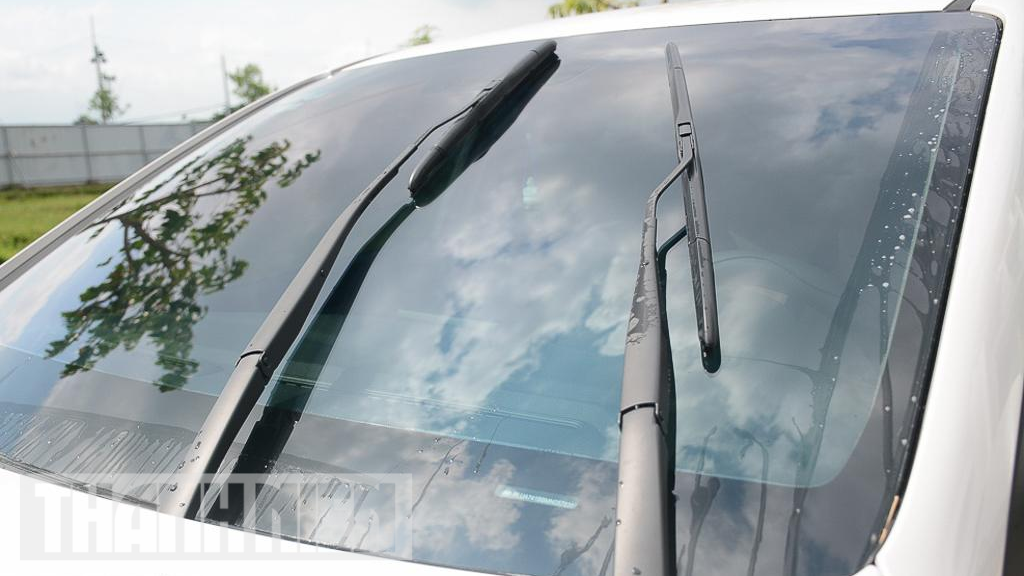
If you notice that the wiper blades are excessively worn, the rubber surface is hardened or cracked, you should replace them with new ones. Currently, there are many types of wiper blades sold on the market with varying prices and quality. Car owners should be careful to choose genuine wiper blades or those from reputable brands to ensure quality. Additionally, after replacing the wiper blades, use a glass cleaner and a soft cloth to wipe away any remaining dirt and debris from the windshield.
Manufacturers typically recommend replacing wiper blades after 12-18 months of use. However, in Vietnam's hot and humid climate, the connecting pins of the wiper blades are prone to rust, and the rubber surface of the blades can easily deform and wear down. When inspecting the wipers, if you notice signs such as the blades leaving streaks of water on the windshield; the blades making squeaking or banging noises during operation; or the wipers clearing the windshield despite wiping, you should buy new wiper blades. Replacing wiper blades is quite simple, and most car owners can do it themselves. First, stand the wiper upright. Then, unlock the locking pin to remove the old wiper blade from its latch. Finally, install the new wiper blade in the correct position.


