
4 main reasons why cars are sluggish and have difficulty accelerating.
(Baonghean.vn) - The phenomenon of cars showing signs of losing their initial performance stems from many causes; the core issue is often due to irregular maintenance and unskilled driving. According to many automotive experts, a weak engine can be caused by the following reasons.
1. Due to the air filter
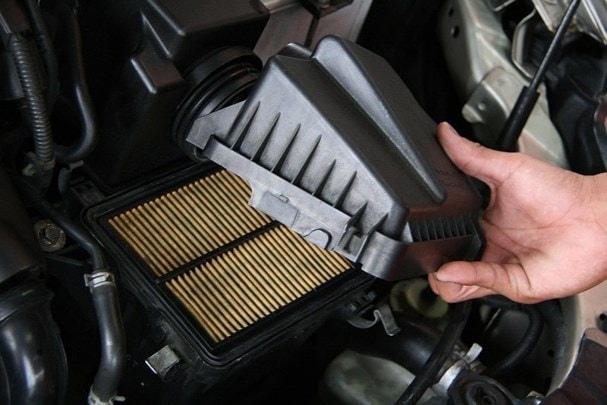 |
The problem could be due to the air filter not being cleaned or replaced for a long time, causing dust and dirt to accumulate, resulting in insufficient air supply to the engine and causing the vehicle to run poorly.
You can check, clean, and replace the air filter yourself to get the engine running normally again.
2. Due to spark plugs
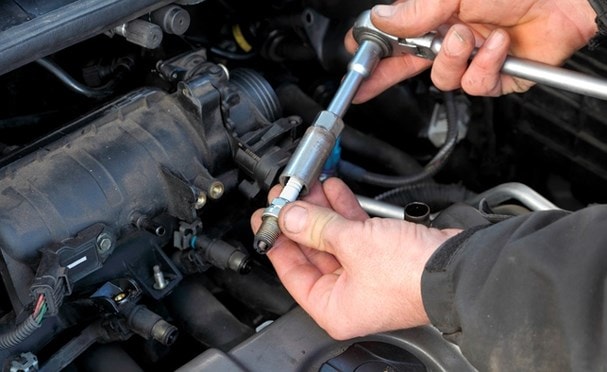 |
The spark plug is the final component of the ignition system. Therefore, it has the crucial task of generating an electric spark between two electrodes (the center electrode and the side electrode connected to ground) to ignite the air-fuel mixture from the carburetor that has been fed into the combustion chamber.
A car's weak or poor performance can be due to faulty spark plugs or using the wrong type of spark plugs from the manufacturer, resulting in poor ignition. Therefore, you should check your spark plugs and use the correct type for your car.
3. Incorrect ignition timing.
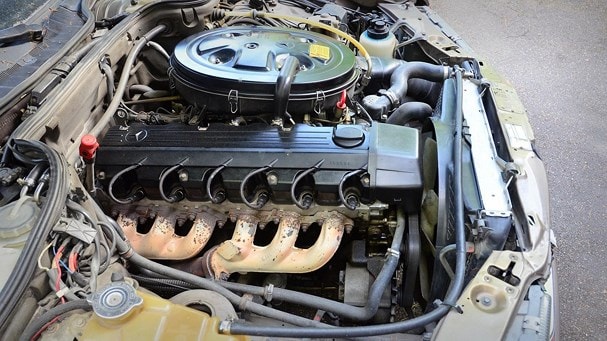 |
When the engine is running and experiences knocking at high throttle, unstable idling, high fuel consumption, rapid engine overheating, and occasional backfiring, these are signs that the ignition system is misfiring.
When the ignition system generates a spark too late compared to when the engine needs it, it often causes phenomena such as increased engine temperature; popping noises in the exhaust pipe due to unburned fuel continuing to burn in the exhaust; increased fuel consumption; and the engine being "flooded" with fuel due to insufficient combustion, resulting in poor acceleration...
This problem is caused by incorrect ignition timing, with the spark plug gap being too small. The engine needs to have its ignition timing reset and the spark plug gap adjusted.
4. Due to fuel pressure
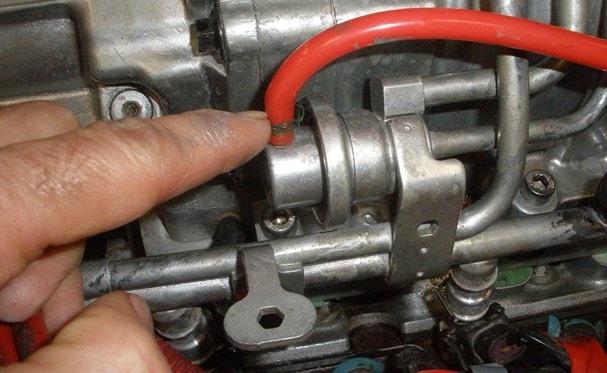 |
The fuel pressure regulator's function is to maintain a constant pressure difference between the fuel in the distribution pipe and the air inside the intake manifold. This allows the ECU to control the injectors, ensuring they open for a certain amount of time and spray the same quantity of fuel as "calculated" by the ECU. If the pressure difference changes (due to a faulty pressure regulator), the amount of fuel sprayed will differ from the calculated amount, even if the injectors open for the same amount of time.
This will cause either too much or too little fuel, leading to unstable engine performance and potentially noticeable weakening of the engine.


