
Four NASA astronauts landed on the Moon after more than half a century of interruption.
More than half a century after the golden age of the Apollo program, humanity witnessed the return to lunar orbit with the Artemis II mission. This successful launch not only ended a long period of interruption but also marked a turning point, ushering in a completely new era of global science and technology development and "touching the door" to space exploration.
Imprinthistory and unprecedented "firsts"
At 6:35 PM Eastern Time on April 1, 2026 (early morning of April 2, 2026 in Vietnam), from NASA's Kennedy Space Center, the Space Launch System (SLS) rocket carrying the Orion spacecraft lifted off, launching four astronauts on a 10-day journey around the Moon. This is the first crewed mission beyond Earth's orbit since 1972 – the Apollo 17 mission that marked the end of a golden age for aerospace.
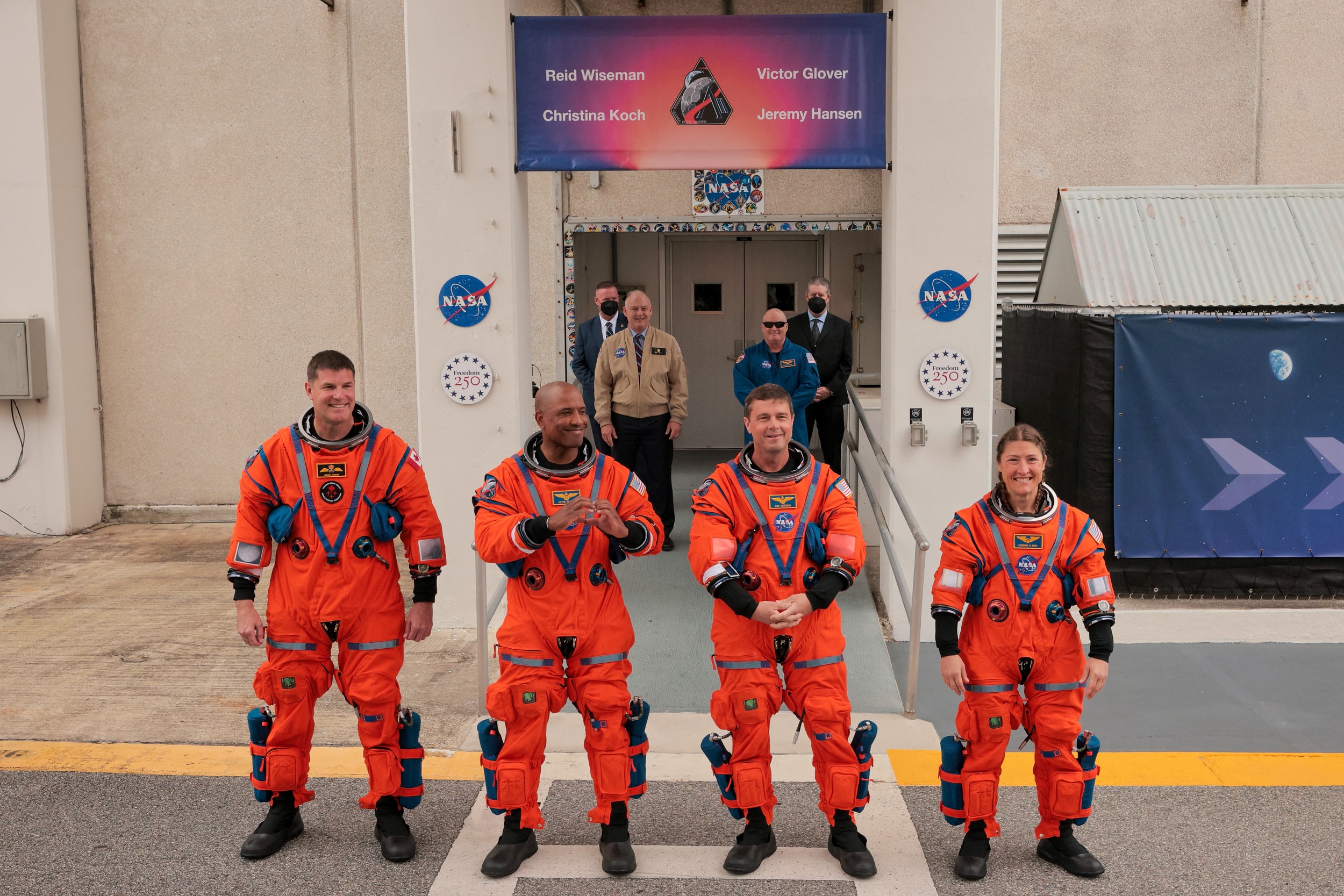
The crew included Reid Wiseman (USA) - mission commander. He is a former Navy aviator who participated in numerous combat missions before joining NASA and has experience flying long distances on the International Space Station (ISS).
Victor Glover (USA) - the mission pilot. A naval officer with extensive experience in test flights, Glover participated in the SpaceX Crew-1 mission and spent months working on the ISS. He was also the first African American astronaut to participate in a long-duration mission on the ISS, and now goes on to make history as the first person of color to fly into space.
Christina Koch (USA) - mission specialist. She is one of NASA's most experienced astronauts, having set a record for the longest space flight by a woman (328 consecutive days on the ISS).
Jeremy Hansen (Canada) - Mission Specialist, is a representative of the Canadian Space Agency. He is a former fighter pilot in the Royal Canadian Air Force.
For the first time in history, a Black astronaut and a woman embarked on a journey to lunar orbit. This also marked the first flight with a non-American astronaut.
Compared to the Apollo missions over 50 years ago, Artemis II represents a significant leap forward in technology. The most powerful SLS rocket ever built by NASA launched the Orion spacecraft into orbit with far greater safety and operational capability than previous generations. Furthermore, the Orion spacecraft is equipped with a state-of-the-art life support system, agile control, and advanced communication technologies, including laser data transmission.
One of the mission's unique features is its "free return" orbit, meaning the spacecraft will circle around the far side of the Moon and automatically return to Earth using gravity. This orbit will help the crew set a new record for the furthest distance humans have ever traveled from Earth, surpassing the Apollo 13 milestone.
But that's not all; Artemis II also made history with the highest re-entry speed, exceeding 40,000 km/h – a major challenge for heat shield technology. Simultaneously, this was the first crewed flight of the SLS-Orion system, paving the way for a series of long-term missions.
Technologically, the difference between Apollo and Artemis represents a revolutionary leap forward. While the Apollo capsule was only 6.2 m³ for three people with minimal living conditions, Artemis II's Orion spacecraft offers approximately 9 m³ for four astronauts, optimally designed to take advantage of the zero-gravity environment. Notably, Artemis II was the first to introduce a nearly complete living support system into deep space: a kitchen, a gym, and, most importantly, a modern, self-contained sanitary system. These improvements not only enhanced the quality of life for astronauts but also served as essential preparation for future long-duration missions.
A launching pad for the future
The success of Artemis II is not only symbolic but also lays the foundation for further advancements for humanity. One of Artemis II's greatest values lies in its verification of technologies, from life support systems and manual control to the ability to communicate in deep space. This was a crucial mission before humans returned to the Moon in subsequent missions. All of this serves as a prerequisite for humans to undertake longer, more distant flights, even towards Mars, and to discover life on many other planets.
The Artemis II mission also opened up avenues for extensive international cooperation. Canada's participation through astronaut Jeremy Hansen showed that space is no longer the "exclusive playground" of a single nation. In the future, space research programs will be a joint effort of many countries, sharing resources, technology, and knowledge.
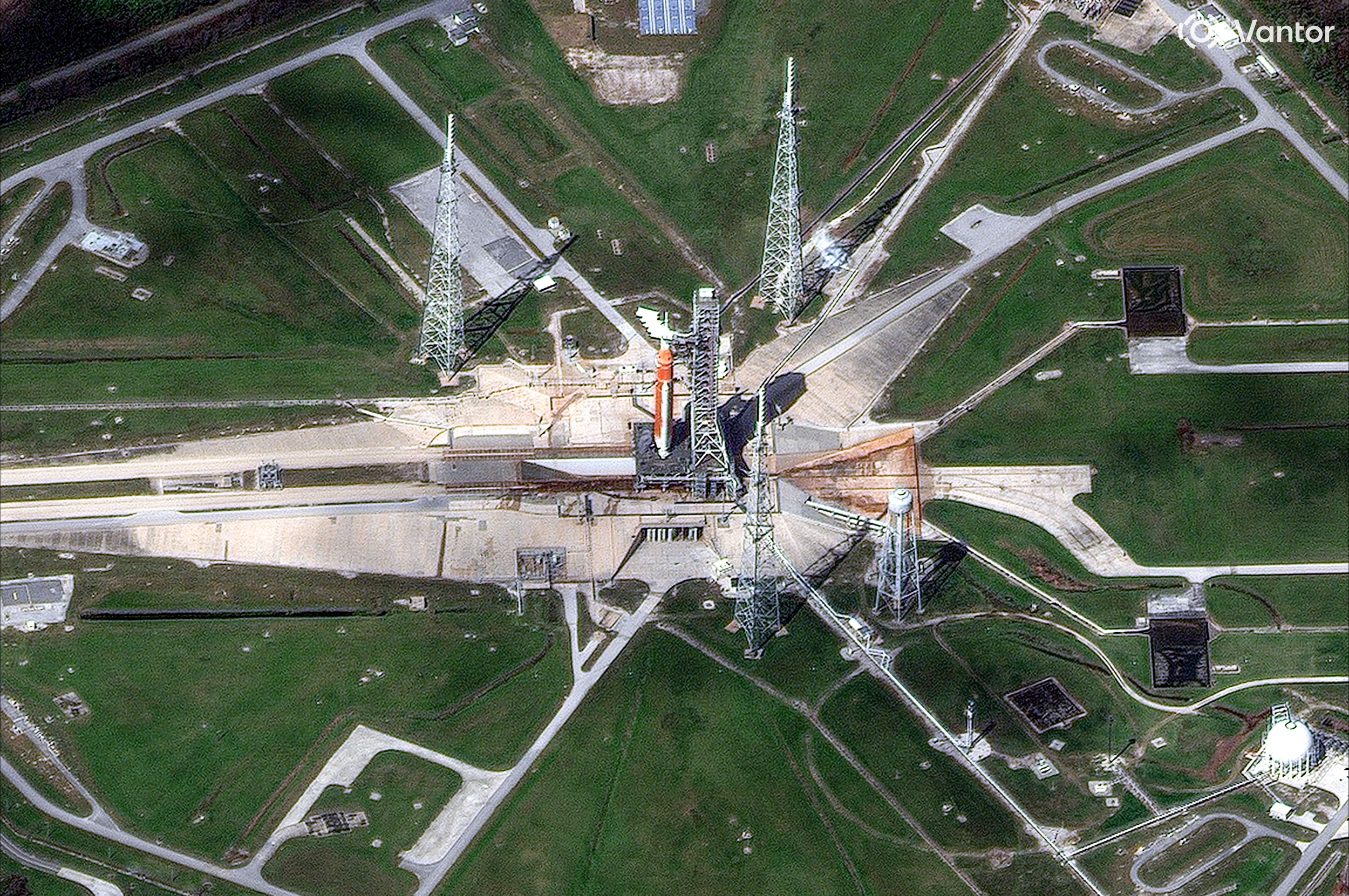
It's impossible to ignore the practical impacts on life on Earth. History has shown that space programs always lead to the development of a wide range of civilian technologies, from new materials and biomedicine to telecommunications. Artemis II, with its improvements in laser data transmission and biosafety systems, promises to continue creating valuable applications in many fields.
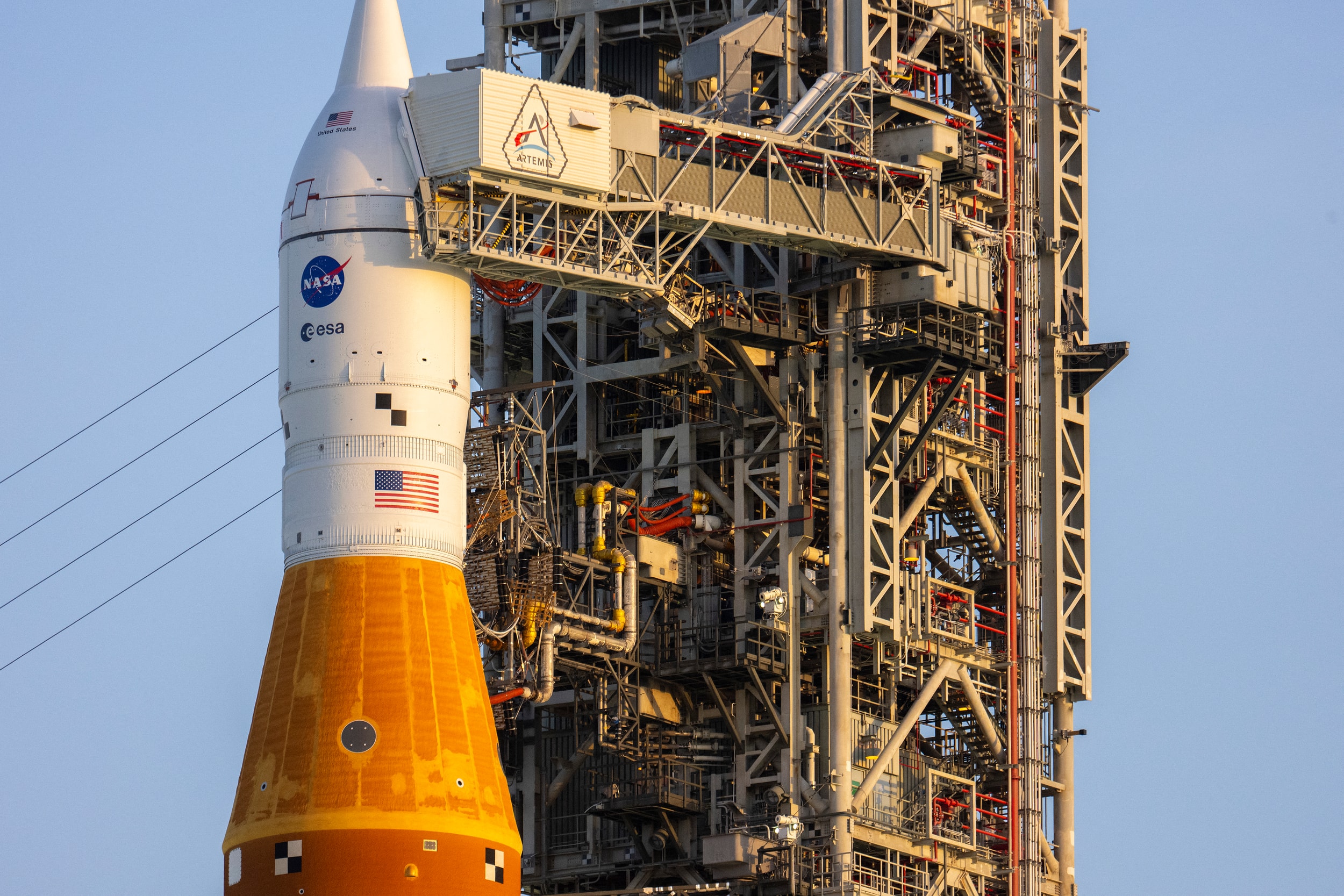
From another perspective, this mission also carries a powerful inspirational meaning. The image of people of diverse genders, skin colors, and nationalities flying to the Moon sends a message about a more open and equitable scientific future. It's not just a journey of space exploration, but also a journey of pushing the boundaries of humanity itself. At the same time, the stories from this journey will continue to inspire younger generations to pursue science, technology, and discovery.


