
5 tips for taking artistic black and white photos of snow.
Black and white photography helps highlight the contrast of a snowy landscape. Learn how to choose your subject, utilize fog, and use post-processing techniques to create the most impressive photos.
Black and white photography is an effective way to convey the beauty of snow, focusing on contrast, form, and depth rather than color. Here are five tips to help you optimize your winter landscape photos in harsh weather conditions.
Take advantage of ideal weather conditions.
When the sky lacks a vibrant blue, switching to black and white mode will give the photo more weight. Especially when the frame includes heavy snow-laden clouds, the black and white tones create drama. Fog is also an important element that helps separate details between the foreground and background, creating a deeper visual effect.
Prioritize strong geometric shapes.
Like most monochrome photography genres, you need clear, easily recognizable shapes for the best effect. Bare trees in winter create interesting geometric structures, perfect for monochrome snow landscapes. Additionally, rock formations, stone walls, or livestock in the fields are excellent subjects for adding visual interest to the frame.
Create depth with the foreground.
A plain, white expanse of snow often makes a photograph lack vitality and depth. To remedy this, look for elements that guide the viewer's eye through the frame. If there isn't a specific path, ensure at least part of the foreground has texture or interesting detail to create contrast with the white snow.
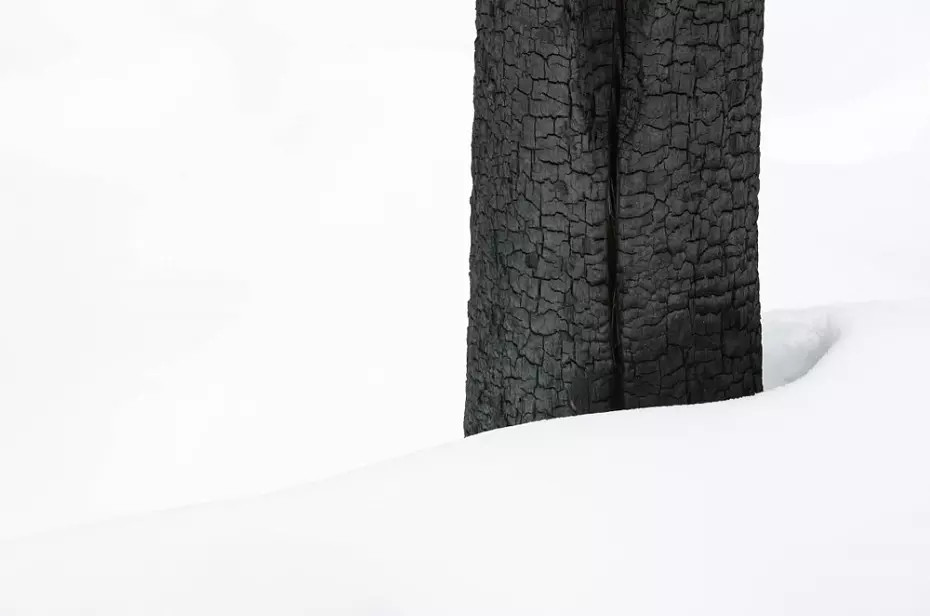
In some abstract photography scenarios, using a vast expanse of white snow as a backdrop for a single focal point of contrasting color can also create striking works.
Post-production techniques and color channel coordination.
Taking color photos and then converting them to black and white using post-processing software offers greater control. Photography expert John Gravett advises users to pay attention to the red, green, and blue (RGB) color channels to find the best effect. In wide landscape photos with blue skies, the red channel will often darken the sky, creating strong contrast and helping to eliminate hazy fog in the distance.
Ensuring safety during operations.
Taking photos in snowy conditions requires careful preparation in terms of clothing and health. Low temperatures can be dangerous if you stay outdoors for too long without proper protection. Always inform your family and friends about your itinerary and don't compromise your personal safety for the sake of a perfect shot.


