
5 promising electric vehicle battery technologies for the next decade.
The focus remains on lithium-ion: LFPs are cheaper; high nickel increases density; dry electrodes and cell-to-pack reduce costs; silicon anodes promise 6–10 minute charging. Solid sodium-ion still faces production challenges.
Claims of "battery breakthroughs" are commonplace, but few technologies actually make it out of the lab and into electric vehicles. Speaking to Wired, experts like Pranav Jaswani (IDTechEx) and Evelina Stoikou (BloombergNEF) argue that small, well-placed improvements can make a big difference, but realization often takes years due to safety requirements, production validation, and financial viability.
Lithium-ion remains the cornerstone of the EV era.
The major breakthroughs today all revolve around lithium-ion battery technology. "Lithium-ion is already very mature," observes Evelina Stoikou; the scale of investment and existing supply chains make it difficult for other chemists to catch up in the next decade. Even so, a single change in composition or process can add around 80 km of range or cut production costs enough to lower car prices, according to Pranav Jaswani.
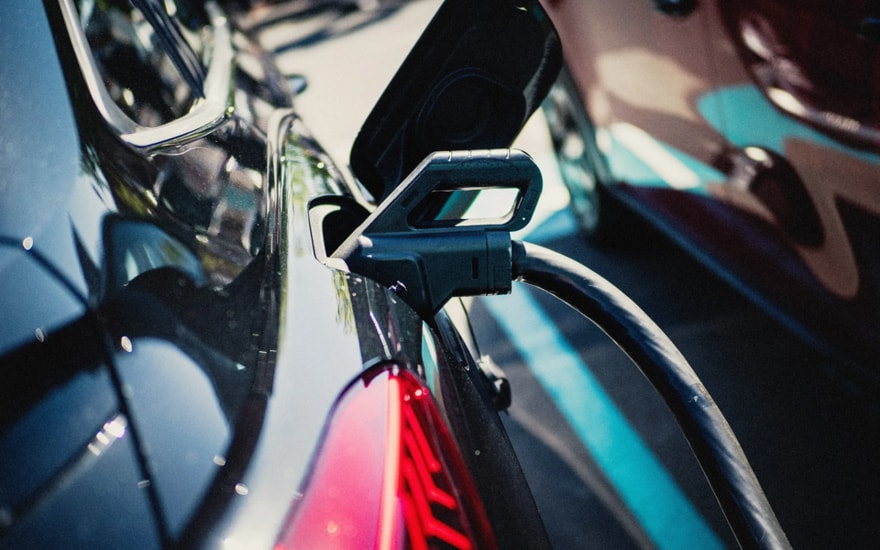
5 steps forward that can make a real difference.
LFP: Cut costs, maintain stability.
Why it's noteworthy:Lithium iron phosphate (LFP) batteries use iron and phosphate instead of expensive and hard-to-mine nickel and cobalt. LFPs are more stable and degrade more slowly over many cycles.
Potential results:Reducing battery pack costs and vehicle prices is especially important as electric vehicles compete with gasoline-powered cars. LFPs have become popular in China and are projected to spread to Europe and the US in the next few years.
Challenge:Lower energy density results in a shorter operating range per battery pack compared to other options.
High nickel content in NMCs: More range, less cobalt.
Why it's noteworthy:Increasing the nickel content in lithium nickel manganese cobalt increases energy density and expands the range without increasing size/weight. Simultaneously, it can reduce cobalt – an expensive and ethically controversial metal.
Challenge:Reduced stability, higher risk of cracking or explosion, requiring more stringent design and thermal control, leading to increased costs. More suitable for high-end electric vehicles.
Dry electrode process: Minimizes solvents, increases production efficiency.
Why it's noteworthy:Instead of mixing materials with solvents and then drying them, dry electrode technology mixes the dry powder before coating and rolling. Less solvent reduces environmental, health, and safety risks; eliminating the drying step can shorten time, increase efficiency, and reduce production space – thereby lowering costs.
Deployment status:Tesla has implemented it in the anode; LG and Samsung SGI are testing the production line.
Challenge:Processing dry powder is technically complex and requires fine-tuning to ensure stable mass production.
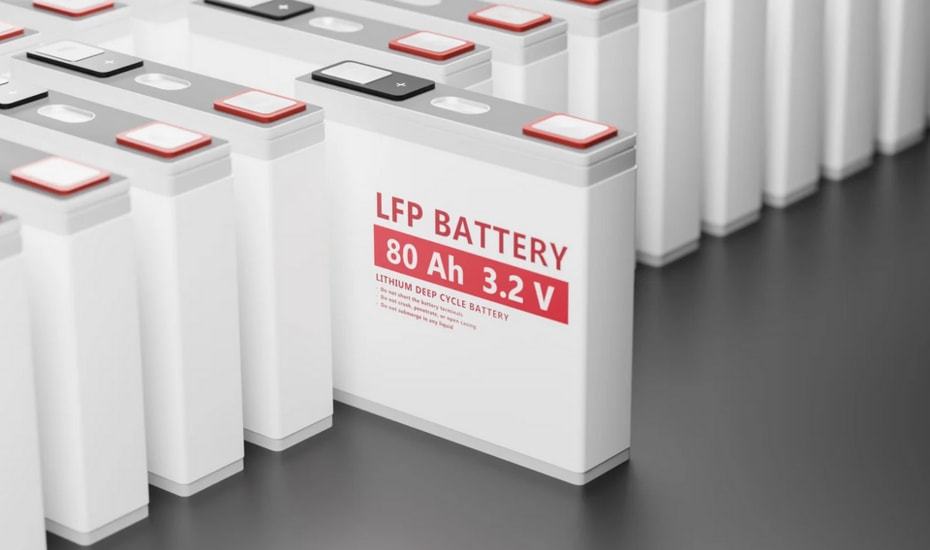
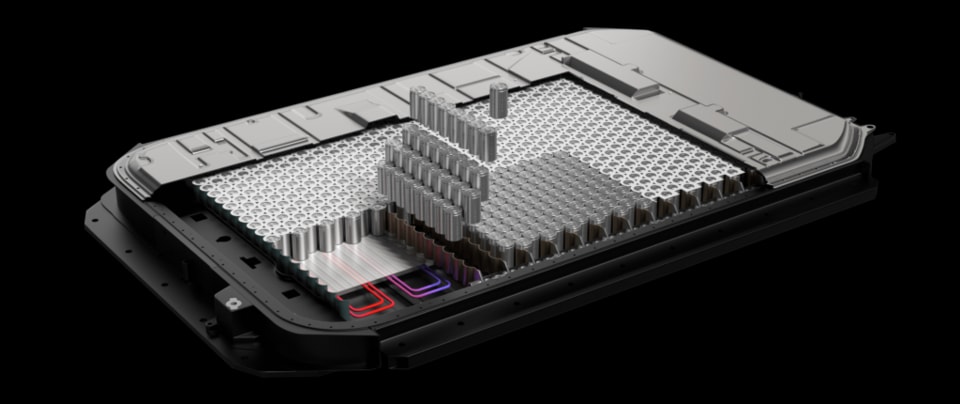
Cell-to-Pack: Utilize volume, adding approximately 80 km of range.
Why it's noteworthy:By bypassing the module, placing cells directly into the battery pack allows for more cells to fit in the same space. According to Pranav Jaswani, this technology could add approximately 80 km of range and improve top speed, while also cutting production costs. Tesla, BYD, and CATL have already implemented this technology.
Challenge:Controlling thermal instability and structural integrity is more difficult without modules; replacing faulty cells becomes complicated, sometimes even requiring opening or replacing the entire assembly.
Silicon anode: High energy, fast charging in 6–10 minutes.
Why it's noteworthy:Adding silicon to graphite anodes increases storage capacity (resulting in longer range) and speeds up charging, potentially taking only 6–10 minutes to fully charge. Tesla has incorporated some silicon; Mercedes-Benz and General Motors say they are close to mass production.
Challenge:Silicon expands and contracts cyclically, causing mechanical stress and cracking, leading to a degradation in capacity over time. This is commonly seen in small batteries such as those in phones or motorcycles.
| Technology | Main benefits | Challenge | Status |
|---|---|---|---|
| LFP | Reduced costs, stability, slow degradation. | Low energy density | Popular in China; expected to increase in the EU/US. |
| High Nickel (NMC) | Increase density, decrease cobalt. | Less stable, higher temperature control costs. | Suitable for luxury cars |
| Dry electrode | Reduce solvent usage, increase efficiency, lower costs. | Technical challenges in handling dry powder | Tesla (anode); LG, Samsung SGI testing |
| Cell-to-Pack | Adding approximately 80 km of range reduces costs. | Temperature control, difficult repairs. | Tesla, BYD, CATL applications |
| Silicon anode | For longer range, fast charging takes 6–10 minutes. | Expansion causes cracking and volume reduction. | Approaching mass production. |
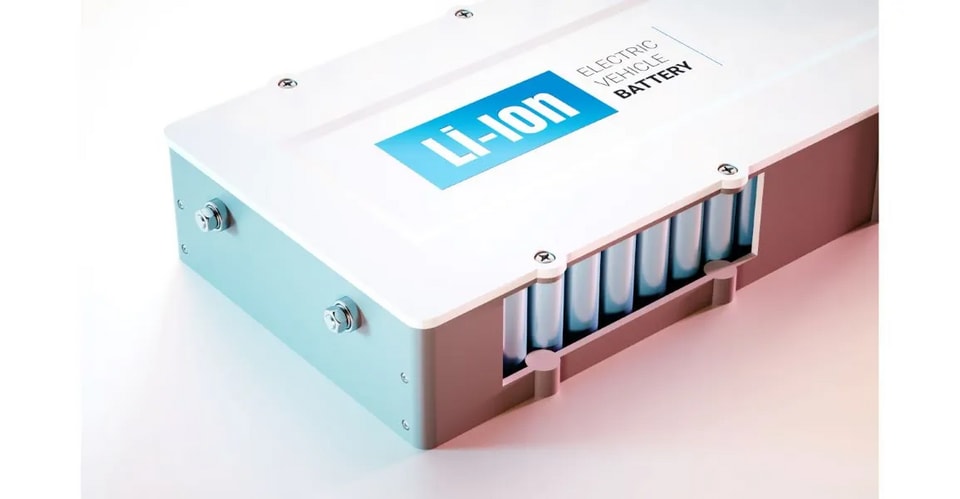
These technologies are promising but still a long way from market.
Sodium ion: Easily available, inexpensive, and heat-stable.
Why it's noteworthy:Sodium is cheaper, more abundant, and easier to process than lithium, helping to cut supply chain costs. Sodium-ion batteries appear to be more stable and perform well in extreme temperatures. CATL says it will begin mass production next year, and the batteries could account for up to 40% of the Chinese passenger car market.
Challenge:Sodium ions are heavier and have a lower energy density, making them more suitable for static storage. The technology is still in its early stages, with few suppliers and few proven processes.
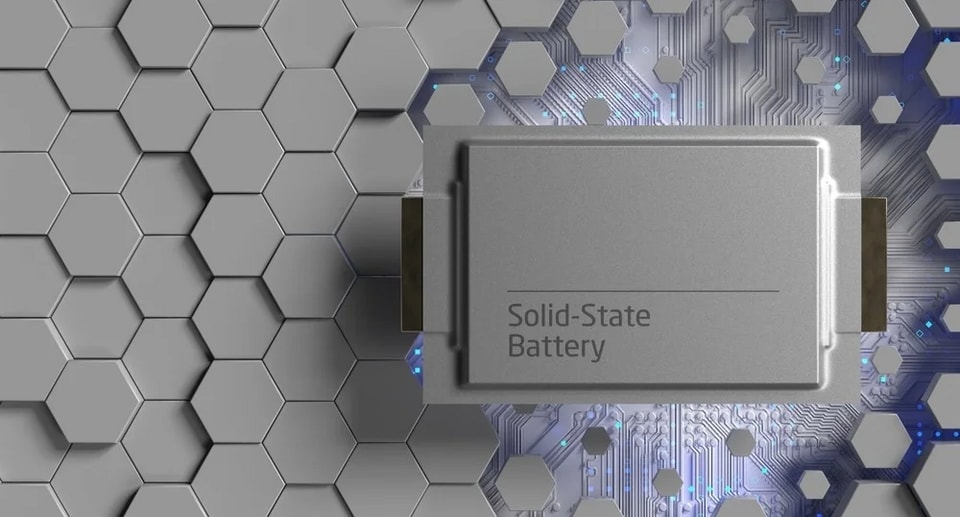
Solid-state batteries: High density, safer, but difficult to manufacture.
Why it's noteworthy:Replacing liquid/gel electrolytes with solids promises higher density, faster charging, greater durability, and less risk of leakage. Toyota says it will launch solid-state battery vehicles in 2027 or 2028. BloombergNEF predicts that by 2035, solid-state batteries will account for 10% of electric vehicle and storage production.
Challenge:Some solid electrolytes perform poorly at low temperatures; production requires new equipment; defect-free electrolyte layers are difficult to create; the industry lacks consensus on electrolyte selection, creating difficulties in the supply chain.
The idea is noteworthy but difficult to popularize.
Wireless charging: Maximum convenience, but the cost barrier.
Why it's noteworthy:Wireless parking and charging are expected to be available soon, according to some manufacturers; Porsche is showcasing a prototype with plans to launch a commercial version next year.
Challenge:According to Pranav Jaswani, wired chargers are currently more efficient and cheaper to install. Wireless charging might appear in some niche applications, such as bus charging stations where passengers stop, but it's unlikely to become a widespread option.
Conclusion: Expectations are reasonable, but evolution takes time.
The most promising battery technologies today are mostly optimized within the lithium-ion system: LFP for lower costs, high nickel for increased density, dry electrodes and cell-to-pack for reduced manufacturing costs, and silicon anodes for faster charging. Meanwhile, sodium-ion and solid-state batteries have long-term potential but face significant production hurdles. As experts emphasize, even small changes can take up to 10 years to appear in electric vehicles – and only improvements that meet both safety standards and economic considerations have a chance of reaching the market.


