
5 foods you shouldn't eat with bananas
Although bananas are a nutritious fruit, according to traditional Indian medicine, combining bananas with certain foods can cause digestive discomfort for some people.
Bananas and milk are both nutritious foods, and many people combine them to make banana smoothies without any problems.
However, according to traditional Indian medicine, bananas and milk are among the most incompatible foods. Besides milk, some high-protein foods, citrus fruits, etc., are also considered unsuitable to eat with bananas. This article provides information from Indian nutrition experts for your reference.
1. Combining bananas with milk can cause indigestion.
Ayurvedic culinary expert, Dr. Surya Bhagwati (India), explains that consuming bananas and milk together creates toxins that disrupt the body's balance. This can lead to colds, coughs, and nasal congestion. Therefore, be cautious with the popular banana smoothie, which is not good for your health.
According to several studies, it has been observed that combining or eating these two foods together can be harmful to your digestive system. Even according to Ayurveda, this combination of two foods is considered incompatible.
According to Ayurveda, bananas and milk together are considered an unfavorable combination that can affect digestion and worsen respiratory disorders such as sinusitis, colds, and coughs. Furthermore, Ayurveda suggests that combining fruit and milk is inadvisable because it increases mucus production in the body.
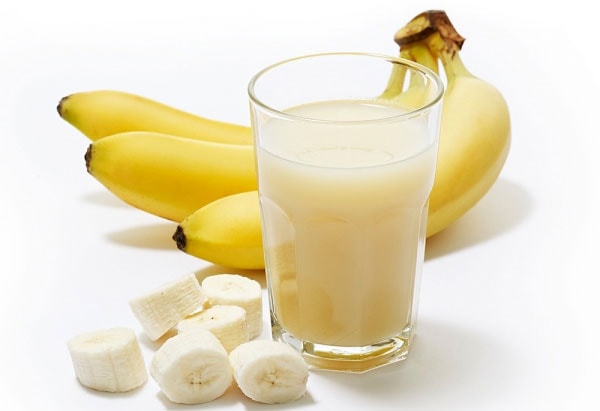
Although both bananas and milk have cooling properties, their combined effects can impact the digestive system. Bananas contain an enzyme called amylase, which can break down proteins in milk. This can lead to digestive symptoms such as diarrhea, bloating, or severe abdominal pain.
In fact, most people don't have a problem eating bananas and milk together, or consume them in small amounts so the effects aren't noticeable. However, this combination is absolutely not recommended for pregnant women. Consuming these two foods at separate times is best for both mother and baby.
2. Protein-rich foods should not be eaten with ripe bananas.
Ripe bananas digest relatively quickly, and combining them in the same meal with protein-rich foods like eggs or slow-digesting meat can cause fermentation and gas production in the digestive tract.
Bananas are high in fiber, while meat is high in protein. Combining these two foods takes longer for the body to digest, leading to feelings of fullness, indigestion, or bloating.
According to Ayurvedic medicine, efficient digestion is essential for maintaining good health because it allows nutrients to be properly metabolized and absorbed. Conversely, poor digestion leads to the accumulation of undigested food, toxins can build up in the intestines, causing fatigue, and promoting the development of diseases in the long term.
3. Avoid eating bananas with acidic fruits.
It's best to avoid eating sour fruits like citrus fruits, pomegranates, and strawberries with bananas because they are sweet. Some studies have shown that when eaten together, bananas and acidic fruits can cause problems such as nausea or headaches.
4. Avoid eating sweets with bananas.
Cakes, bread, and baked goods contain processed carbohydrates, which take longer to digest, while bananas aid digestion. In Ayurvedic cuisine, it is believed that combining two foods with contrasting properties increases the risk of digestive imbalance.
Similarly, consuming bananas with sugary drinks can cause bloating and make you feel uncomfortable after eating the banana.

5. Avoid eating bananas with greasy foods.
Bananas are high in fiber. The fiber in bananas can slow down the digestion of food, leading to feelings of fullness, indigestion, nausea, or even diarrhea.
Fats in food can increase the time food stays in the stomach, giving the fiber in bananas more time to ferment and cause digestive problems. The combination of bananas and fatty foods can create a mixture that is difficult to digest in the stomach, leading to discomfort.
Additionally, some people may be intolerant to fructose, a type of sugar found in bananas. If you have fructose intolerance, you may experience bloating, diarrhea, or cramps after eating bananas.
According to Dr. Tran Thi Bich Nga, former lecturer at the Department of Nutrition (Hanoi Medical University):
Potential causes of stomach upset after eating bananas could include starch content, irritable bowel syndrome, banana allergy, or fructose intolerance.
In general, it's best to listen to your body and avoid food combinations that upset you. If you experience digestive problems after eating bananas, try eating them alone or in combination with other foods.
Here are some tips to help you digest bananas more easily:
Eat ripe bananas: Ripe bananas are softer and easier to digest than unripe ones. Chew your bananas thoroughly: Chewing food thoroughly breaks it down into smaller pieces, making it easier for your body to digest. Drink plenty of water: Water helps move food through the digestive system and can help prevent constipation. Exercise regularly: Exercise improves digestion and can help reduce your risk of indigestion.
People with medical conditions such as diabetes who want to include bananas in their diet should consult their doctor or a nutritionist for specific advice.


