
5 important things to keep in mind when replacing your car tires.
Car tires need to be replaced after 6 years of use or after 80,000 km of driving to ensure safe operation. Users need to be aware of some points to note when replacing a set of tires.
Car tires are the only part of a vehicle that comes into contact with the road; a tire failure can lead to loss of control and potentially serious consequences. Therefore, replacing tires when they reach their lifespan is crucial. To ensure safety and avoid unwanted accidents, everyone should pay attention to the following points when replacing car tires.
1. Tire size
The size of car tires must match the original design of the vehicle, so you need to know the size of the tires and rims currently fitted to your car. These specifications are clearly stated in the vehicle registration certificate in Vietnam.
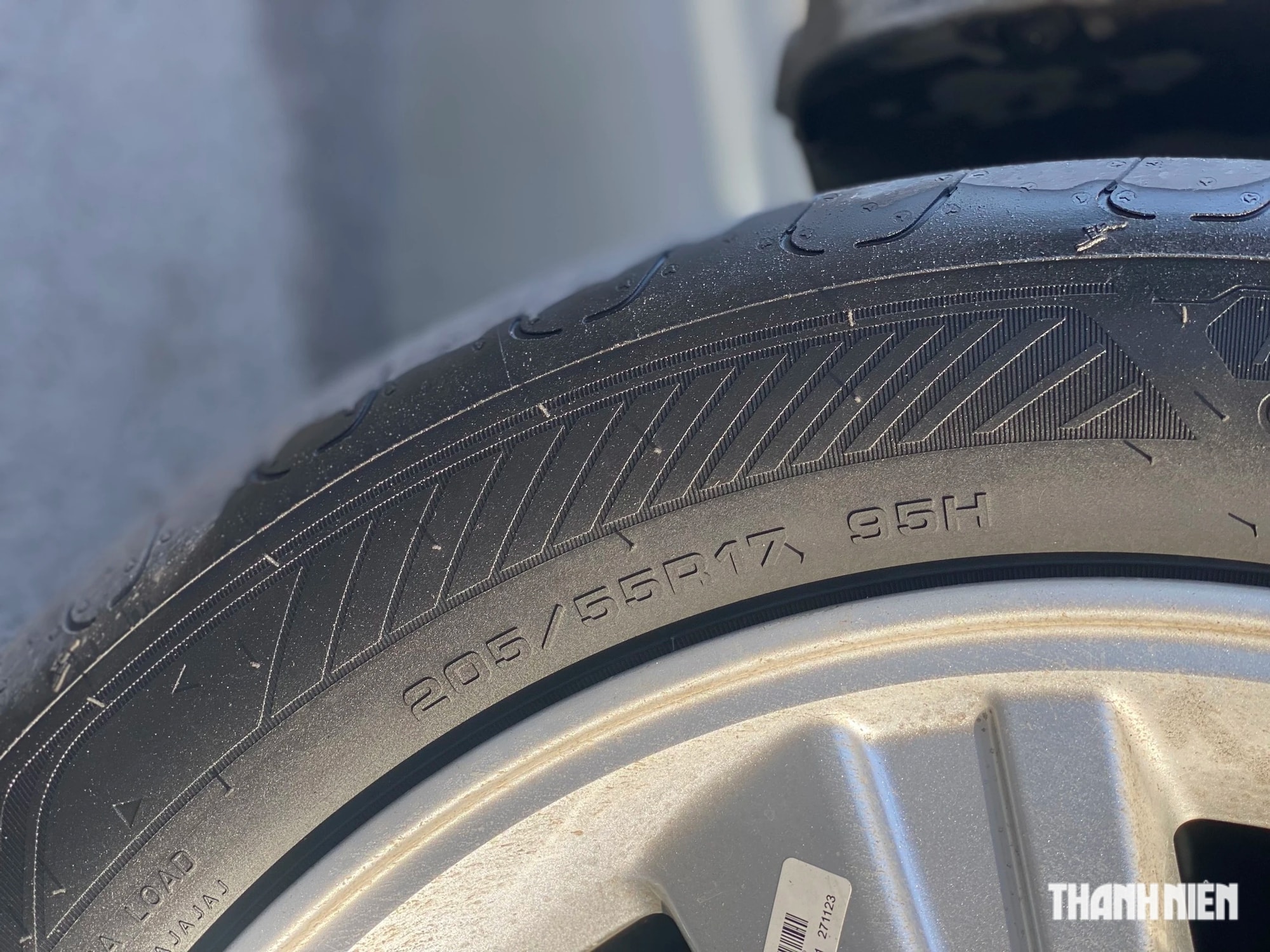
The manufacturer designs the suspension system and chassis components to match the size of the original tires and rims. Therefore, any change in tire size will affect the car's performance to some extent.
You should carefully check the manufacturer's recommendations before changing your wheel size, or ideally, choose tires that match the size of your original tires.
2. Speed ratio
Car tires are manufactured with specified speed ratings for each type of vehicle. Tires for everyday cars will have different specifications than those for sports cars, off-road vehicles, supercars, and luxury cars. Therefore, choosing tires with the appropriate speed rating is crucial to avoid waste.
If the tire speed rating is not printed on the tire, this information can be found in the owner's manual, the driver's side door sill, the tool box cover, or the fuel cap. If the tire speed rating is not displayed, it can be assumed that the maximum permitted speed is no more than 110 km/h.
3. Choose tires
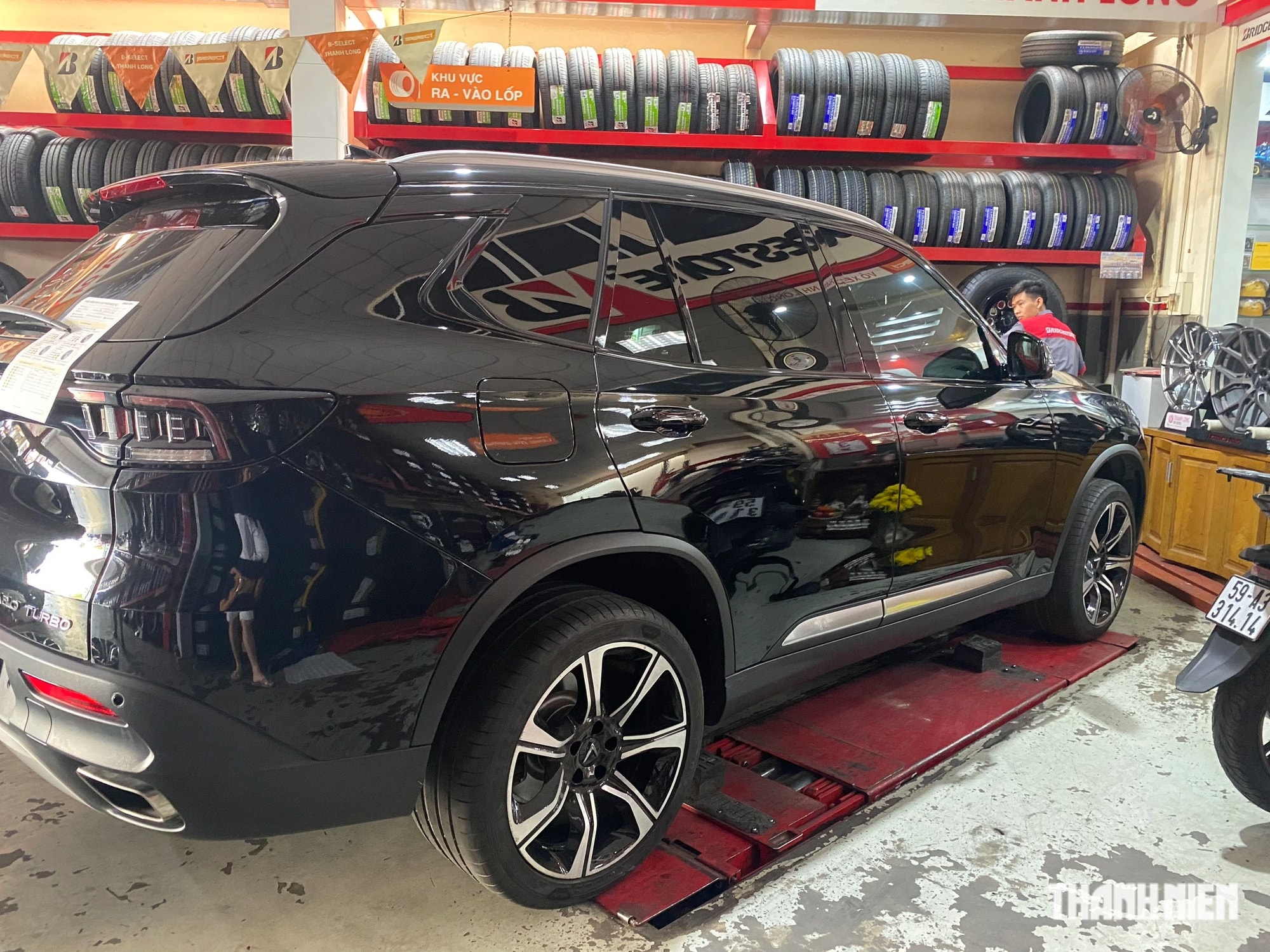
Depending on usage needs and driving conditions, car users have different tire choices. Sedans or MPVs, which prioritize a smooth ride, typically use tires with high elasticity and rims of moderate diameter.
SUVs or crossovers prioritize off-road capability, so they use durable, tough tires with good grip. The rims and tire thickness are usually larger than those of other vehicle types.
Sports cars with a low center of gravity and designed for high speeds often use narrow tires and large rims to increase traction and reduce vibration.
4. Tire lifespan
Knowing the lifespan of your tires is very important, as it's one of the factors in deciding when to replace them, avoiding the dangers of driving with tires that are no longer in good condition.
Although tire manufacturers have calculated the optimal mileage for a tire, tire lifespan can vary depending on road conditions, which in turn affects the lifespan of the vehicle.
All-weather tires typically have a tread life of between 64,000 and 160,000 km; high-performance all-season tires will only last between 64,000 and 112,000 km; and the highest-performance tires usually don't last more than 40,000 km.

Depending on the prevailing road conditions, you should decide which type of tires are suitable for your car.
5. Replace tires in pairs.
Tires will gradually wear down over time, typically within 10,000 km of operation. Replacing all tires at once is best. However, to save costs, it's advisable to replace them in pairs, and the new tires should be placed on the rear wheels, regardless of the vehicle.
Installing new tires on the rear of a car will improve traction and make handling during emergency braking safer. Replacing worn tires by replacing them as they wear out can lead to an imbalance with the opposite tire, resulting in poor vehicle performance and increased driving danger.


