
5 reasons why you should think carefully before buying a used iPhone.
Buying a used iPhone is a way for many people to own an Apple phone at a lower cost. However, this attractive price also comes with a number of risks that users need to consider before deciding to make the purchase.
iPhones have long been considered one of the most worthwhile smartphone lines on the market. Even models released several years ago still perform well and can outperform many Android smartphones in the same price range.
Therefore, the used iPhone market is always very active. However, a low initial price does not necessarily mean that users will save money in the long run.
A used iPhone may no longer receive long-term software support, its hardware may be degraded, its battery may be worn out, or it may have had its components replaced with non-genuine parts. In many cases, the cost of repairs after purchase can far exceed the initial savings.
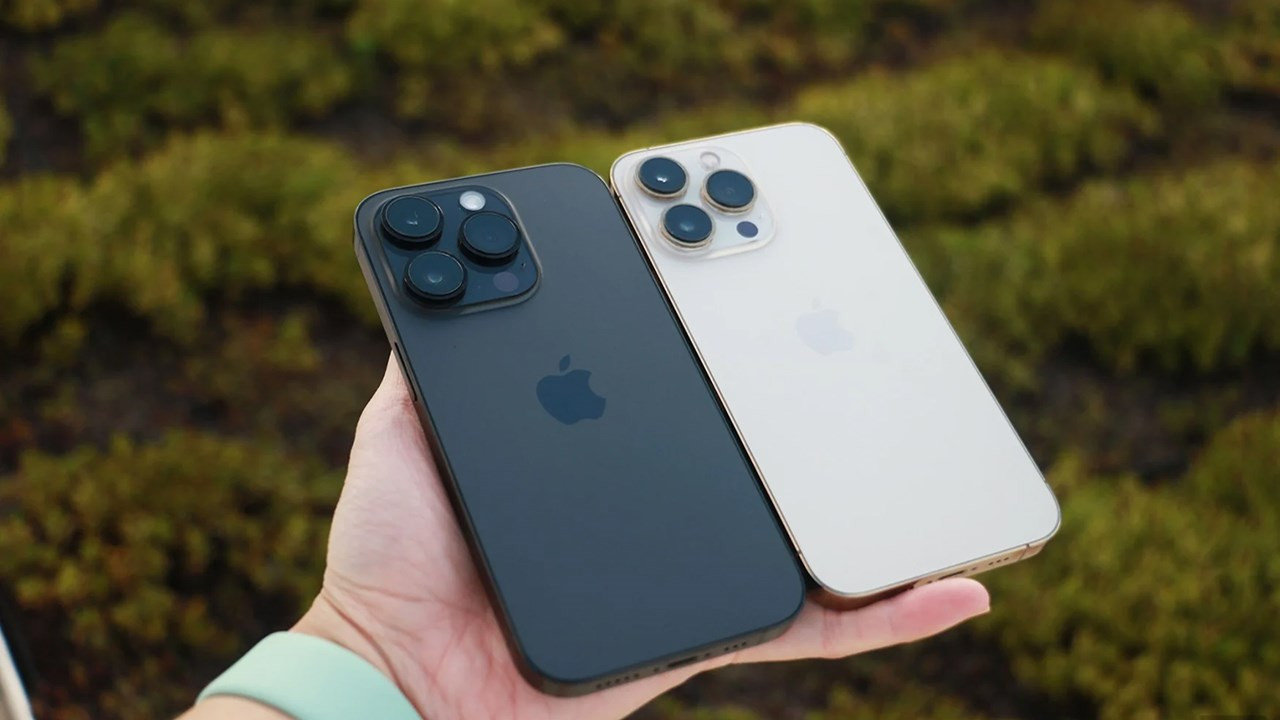
According to many tech experts, if your financial situation allows, the safest option is still to buy the latest iPhone model that fits your budget. This allows users to use it for a longer time and reduces the risk of unexpected repair costs.
Here are five reasons users should consider before buying a used iPhone.
1. The time between iOS operating system updates is shorter.
One of the biggest drawbacks of older iPhones is their software support lifecycle.
For example, the iPhone 15 was still a relatively new device when it launched in 2023, but it was also the last iPhone model not to support Apple Intelligence. This means many of Apple's new AI features will only appear on higher-end iPhone models.
Typically, Apple maintains major iOS updates for about 7 years before ending support. After that point, devices may still receive security patches for a certain period, but will no longer receive updates for new features.
However, users cannot know exactly when Apple will end support for each product line. Therefore, if you buy an iPhone model that was released many years ago, the remaining usage time may be significantly shorter than expected.
2. The hardware is outdated and lacks many features.
Apple continuously upgrades the technology in iPhones with each generation.
Newer models typically feature more powerful processors, larger batteries, better thermal management, and higher energy efficiency. As a result, the devices operate more stably when handling demanding tasks while maintaining longer battery life.
Meanwhile, older iPhone models may lack many features that have become standard on newer versions, such as Always-On Display, ProMotion, the Action Button, or new camera control features.
Storage capacity is also a factor to consider. Some older iPhone models only have 64GB of storage, which is quite limited given that photos, videos, and apps are increasingly taking up storage space.
If you plan to use the device for many years, choosing outdated hardware can quickly lead to an obsolete experience.
3. The manufacturer's warranty has expired.
A major advantage of buying a new iPhone is that users get a one-year manufacturer's warranty and can enroll in AppleCare+ for a specified period.
Conversely, most used iPhones are out of warranty. If the previous owner hasn't enrolled in AppleCare+ or the warranty has expired, the buyer will have to pay for all repair costs themselves if the device malfunctions.
This can be a significant amount of money. The cost of replacing the battery, screen, or repairing other critical components on an iPhone is often quite high, especially for high-end models.
4. The used iPhone market carries many risks.
Not all used iPhones are of the same quality.
Currently, users can purchase these devices through stores, e-commerce platforms, or individual sellers. However, transactions without clear warranty policies always carry significant risks.
It's difficult to determine the actual condition of a device simply by looking at the pictures posted for sale. Buyers also find it hard to know if the phone has ever been repaired, if genuine parts have been used, or whether it will still be eligible for future software updates.
To minimize risks, users should request the serial number or IMEI number from the seller to check the warranty status, activation date, and other relevant information before making a transaction. They should also prioritize purchasing from reputable vendors with clear return policies.
5. The battery is often the biggest weakness.
The battery is the fastest-degrading component on any smartphone, and iPhones are no exception.
After about a year of use, battery capacity can decrease by about 10% compared to the original. For iPhones that have been used for many years, the likelihood of battery degradation is very high.
Without replacing the battery, users may have to charge it multiple times a day, frequently carry a spare battery, or experience the device shutting down unexpectedly even when the battery still has charge.
Although Apple has significantly improved battery technology and optimized the number of charging cycles on newer generations of iPhones, this doesn't change the fact that a battery that's been used for many years is unlikely to provide the same experience as a new device.
So, should you buy a used iPhone?
Used iPhones are still a viable option if buyers have experience inspecting devices and find reputable sellers. In many cases, this remains a worthwhile and economical way to own an Apple device.
However, a low price shouldn't be the only deciding factor. Users need to consider the overall remaining software support time, battery life, hardware quality, warranty, and device origin.
Only when all these factors are fully considered will buying a used iPhone truly be a sound investment, rather than becoming an expense that will arise in the future.


