
5 reasons to buy the iPhone 17 instead of waiting for the iPhone 18.
The iPhone 18 series is expected to bring many upgrades, but may also come with a higher price tag. In that context, the iPhone 17 remains a worthwhile option for many users.
With less than two months to go, Apple is expected to officially introduce the iPhone 18 Pro series along with its first foldable iPhone. This may prompt many users of the iPhone 16 or older generations to consider waiting to upgrade.
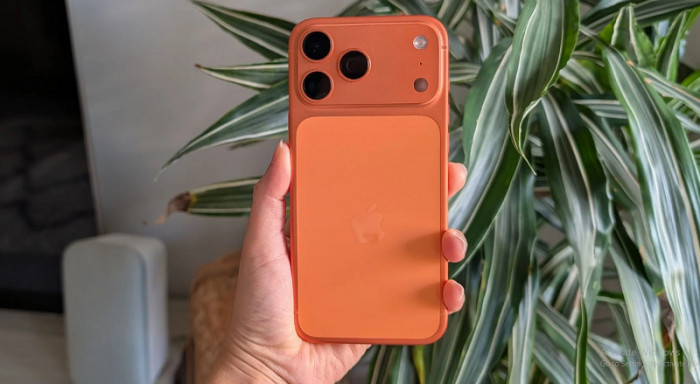
However, according to analysts, the risk of price increases, Apple's new product launch strategy, and the unclear upgrades on the iPhone 18 make the iPhone 17 still a worthwhile purchase at the moment.
1. The price of the iPhone 18 is likely to increase significantly.
Analysts predict that the iPhone 18 Pro and iPhone 18 Pro Max could have starting prices of $1,299 and $1,399 respectively, about $200 higher than their predecessors.
The main reason stems from the increasing cost of memory and storage due to the need to integrate AI features. Meanwhile, Apple's first foldable iPhone model is expected to cost over $2,000.
Apple has also increased prices across its entire iPhone lineup in Japan. Meanwhile, the iPhone 17 is still being sold in the US and many other markets at a starting price of $799, the same price announced at launch last September.
If these predictions come true, the price of the next generation of iPhones will almost certainly be higher, and there's no indication that the iPhone 17 will maintain its current price for much longer.
2. Not all iPhone 18 models will be released this year.
According to multiple sources, Apple will adopt a two-phase launch strategy.
Specifically, in September, the company will only introduce the iPhone 18 Pro, iPhone 18 Pro Max, and the foldable iPhone model.
Meanwhile, mainstream versions like the iPhone 18, iPhone 18e, and iPhone Air 2 are expected to be released in the spring of 2027.
This means that those waiting for the direct successor to the iPhone 17 will have to wait much longer than the traditional iPhone upgrade cycle.
3. The standard iPhone 18 may have reduced specifications.
Some leaked sources suggest that Apple may reduce the screen specifications and processing power on the standard iPhone 18 in order to control production costs.
If this happens, the device could use many of the same components as the cheaper iPhone 18e version.
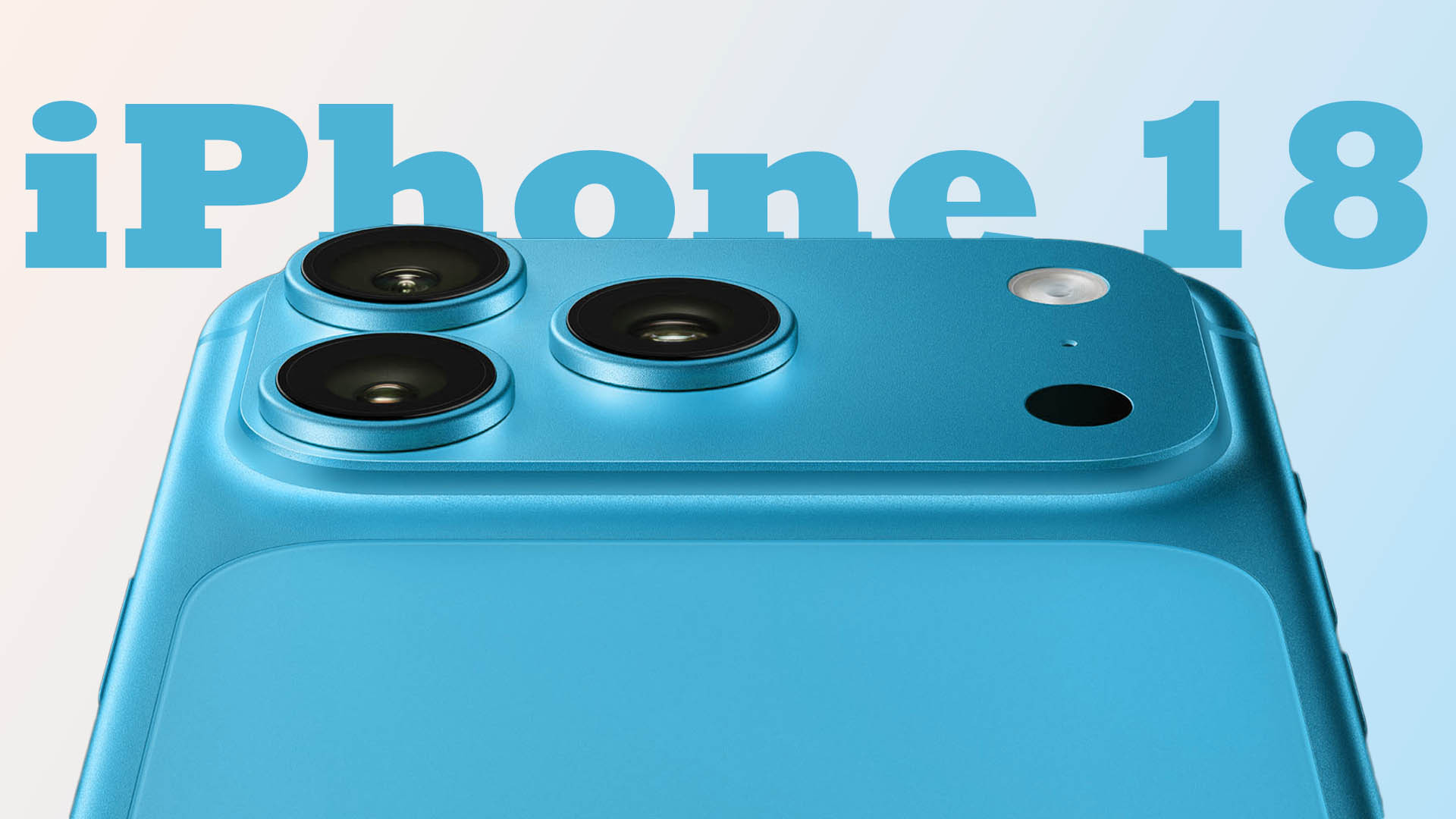
Additionally, despite rumors of increasing RAM to 9 GB, mainstream versions may still not support two new features in iOS 27.
These details haven't been confirmed by Apple, but if the company does indeed cut back on specifications in the entry-level segment, the iPhone 17 or iPhone 17e could become a more attractive option in terms of performance relative to the price.
4. Many of the upgrades on the iPhone 18 are still just rumors.
Many of the features expected on the iPhone 18 Pro are still uncertain to appear when the product launches.
For example, rumors about Apple abandoning Dynamic Island in favor of a punch-hole camera design have recently lost their appeal.
Meanwhile, the foldable iPhone model is rumored to feature a 24MP camera placed under the screen, but this technology may not be ready this year.
Even "crease-free" foldable screens are realistically only able to achieve a nearly invisible crease, rather than a completely disappearing one.
This shows that waiting doesn't necessarily mean users will receive all the upgrades that rumors have mentioned.
5. The trade-in value for iPhones remains high.
Following a trend over the years, the trade-in and resale value of iPhone models typically drops immediately after Apple announces a new generation.
This means the iPhone you're currently using may have the highest trade-in value available right now.
If users wait until the iPhone 18 is released, they may face two expenses at once: buying a new phone at a higher price, while their old iPhone is valued lower, significantly increasing the overall upgrade cost.
Should users wait for the iPhone 18?
That doesn't mean the iPhone 18 series won't be worth buying. If Apple delivers significant enough improvements, it could still be an attractive option.
However, for those using iPhones from 2024 or earlier and not needing a foldable iPhone, the iPhone 17 remains a more reasonable upgrade option at the moment.
Stable pricing, powerful specifications, and a short waiting time are advantages worth considering before Apple announces the next generation of iPhones.


