
5 tips to help your old car consume less fuel each day.
With just a few minor changes to how you use your car, you can significantly improve fuel efficiency in your old vehicle without spending a lot of money.
Whether you're driving a new car or one that's hundreds of thousands of kilometers old, fuel efficiency is always a top priority, especially with older cars where the engine is worn and the fuel-saving technology is no longer up-to-date.
In reality, fuel consumption depends not only on the vehicle's technical condition but also on daily driving habits. And not everyone realizes that driving habits and misconceptions about vehicle usage can lead to significant fuel waste.
Here are five simple tips that can make a big difference in helping older cars run more efficiently and economically.
Limit the use of air conditioning when unnecessary.
While car air conditioning is considered a lifesaver for passengers on hot days, it is also a silent culprit behind significantly increased fuel consumption, especially in older vehicles.
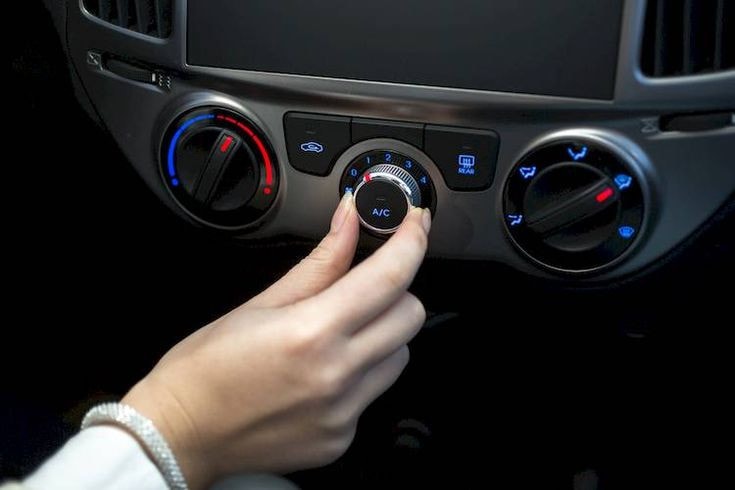
According to Consumer Reports (USA), simply turning on the air conditioner on a not-too-hot day can increase a car's fuel consumption by 0.2-0.5L/100km. Meanwhile, the US Department of Energy states that during extremely hot weather, turning on the air conditioner can increase fuel consumption by more than 25%.
Therefore, automotive experts suggest that if the weather is pleasant, consider turning off the air conditioning and using a fan or opening the windows to take advantage of natural breezes when driving slowly in the city. However, at high speeds, lowering the windows may cause your car to struggle against wind resistance, consuming even more fuel than with the air conditioning on.
Close the windows when driving at high speed.
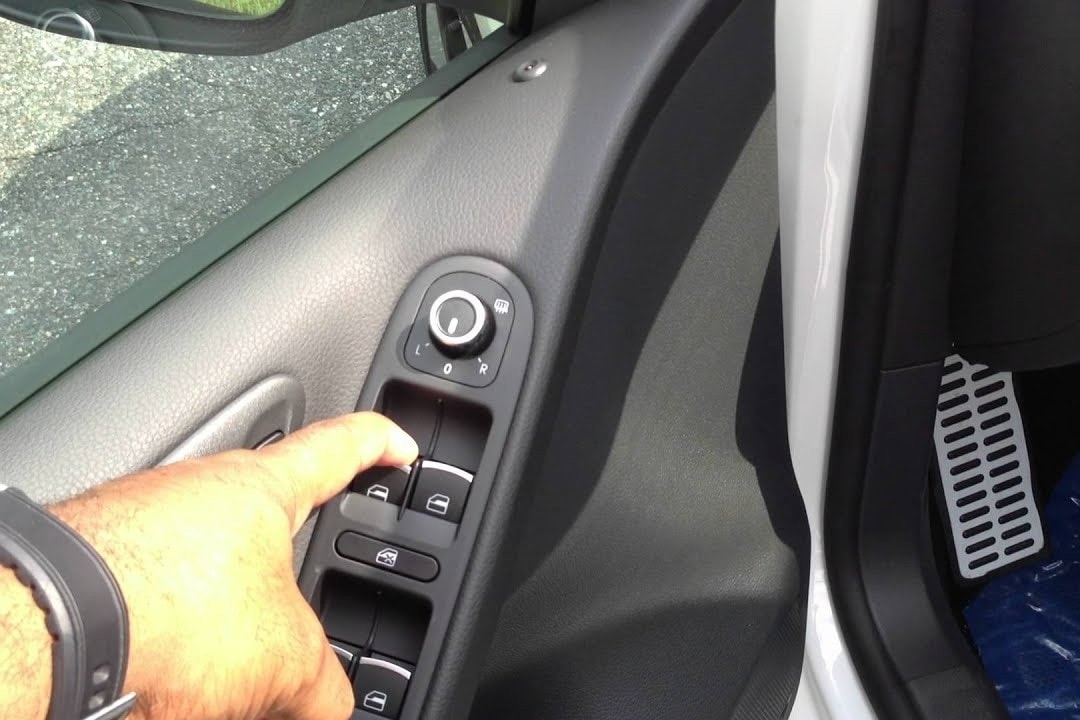
Aerodynamics plays a crucial role when it comes to fuel efficiency. At high speeds, wind resistance increases significantly, and opening the windows only makes the situation worse.
The Society of Automotive Engineers (SAE) has indicated that, at speeds around 120 km/h, fuel consumption with windows open is equivalent to or higher than with the air conditioning on. If you frequently drive on highways, keep your windows closed to reduce drag and save fuel.
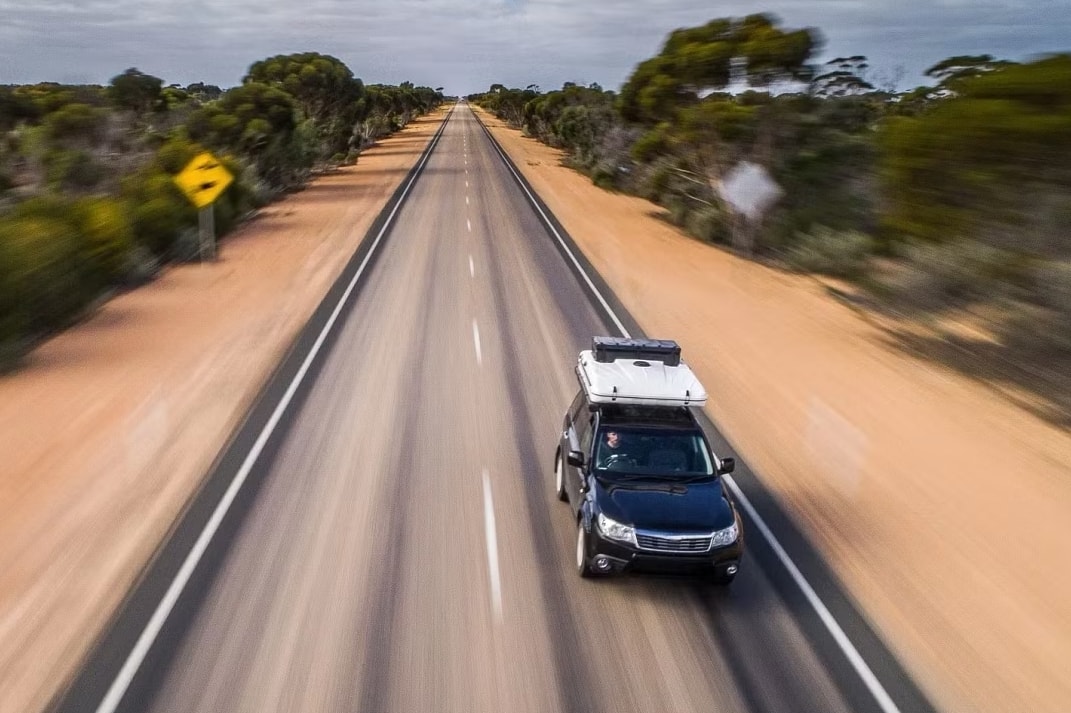
At what speed is driving a car most fuel-efficient?
Turn off the engine when stopped for an extended period, provided conditions permit.
Are you stuck at a long red light, stuck in a traffic jam, or waiting for someone for a few minutes? If you leave the engine running, your car is silently "burning money." According to many studies, if you leave your car running for more than 30 seconds, the amount of fuel consumed is even more than if you turn it off and then restart it.
However, this tip doesn't apply to all types of vehicles. With older models, repeatedly starting and stopping the engine can cause wear and tear on the starter system. If your car has an automatic start/stop feature, let it work. Otherwise, you should consider the specific situation to act appropriately.
Additionally, engine braking is an effective way to save fuel and reduce brake wear. However, applying multiple fuel-saving techniques simultaneously will yield significantly better overall results.
Avoid congested roads, choose a clear route with few stops.
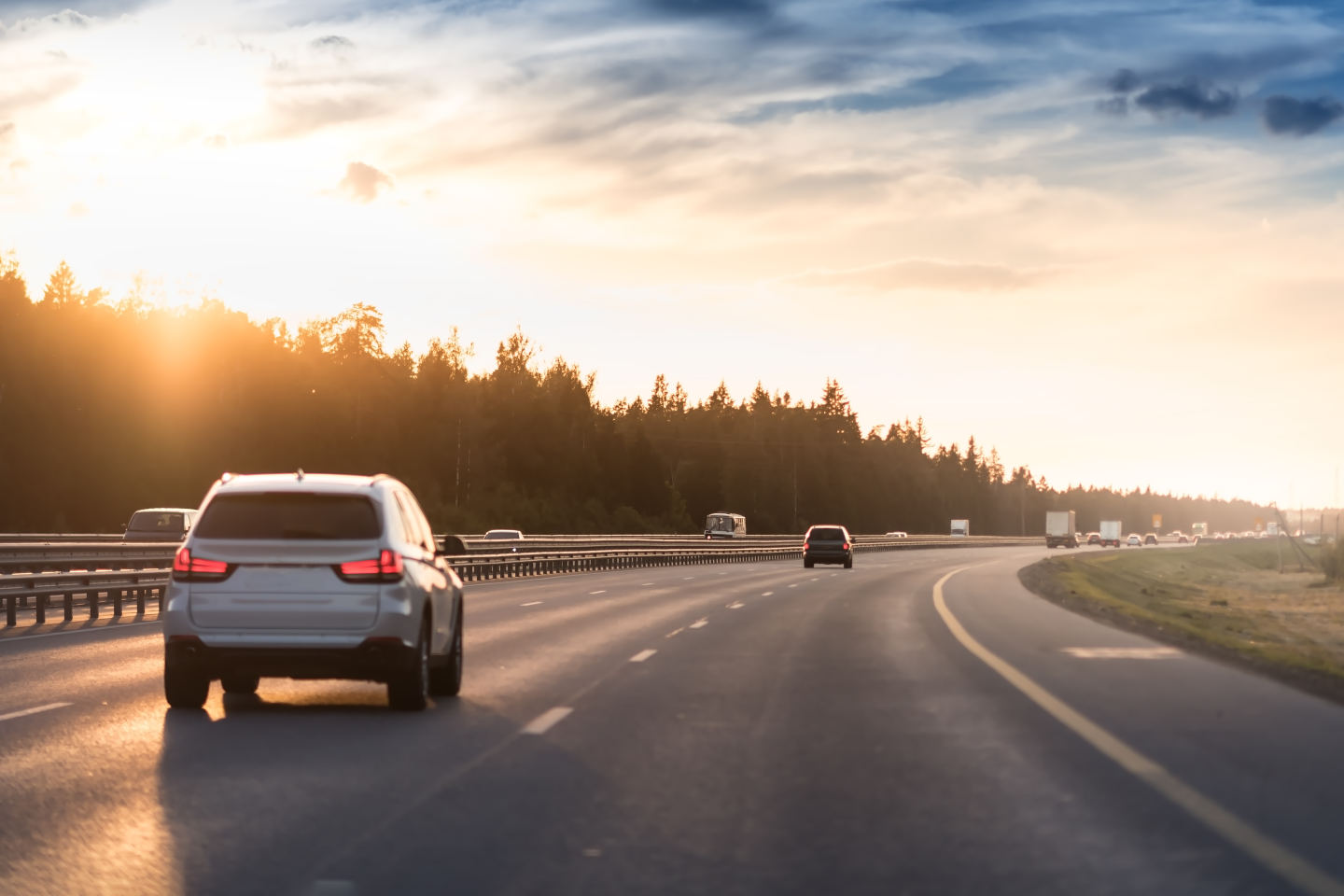
Driving in congested traffic with frequent stops and starts reduces engine efficiency, leading to increased fuel consumption. Therefore, choosing routes with fewer traffic lights and less traffic is a smart strategy, even if the distance is slightly longer.
The U.S. Department of Energy states that fuel consumption on highways is typically significantly lower than in urban areas. For example, a 2004 Toyota Sienna achieves approximately 11.3L/100km on the highway but consumes up to 16.6L/100km in the city. Clearly, the fewer stops a vehicle makes, the more fuel-efficient it is.
However, you should also avoid hilly or winding routes; while these terrains offer scenic views, they consume more fuel due to the constant acceleration and deceleration required for climbing hills.
Maintain a steady speed and adhere to speed limits.
Driving fast is not only dangerous but also significantly increases fuel consumption. Therefore, maintaining a steady speed and not exceeding the limit is one of the most effective ways to save fuel. The faster you drive, the greater the wind resistance and the need to accelerate—meaning you're paying the price in fuel.
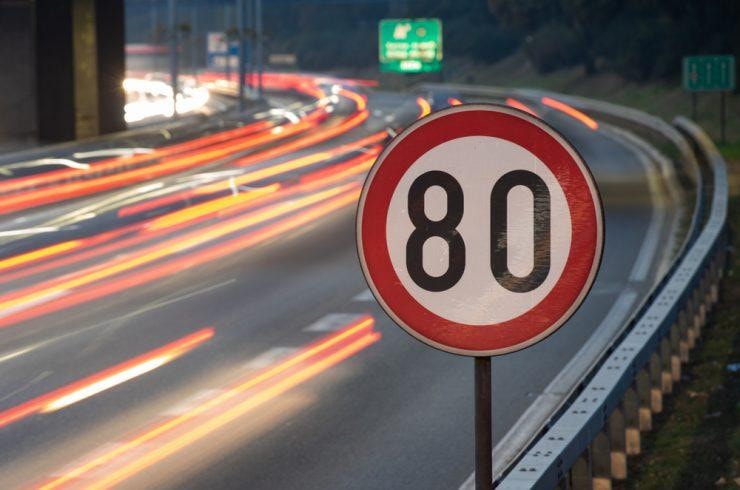
The U.S. Department of Energy estimates that simply reducing your speed from 88 km/h to 80 km/h saves you over 10% on fuel. Therefore, maintaining a steady speed between 70–80 km/h is optimal for older cars. And of course, driving slower also makes driving safer, which is compelling enough to encourage you to ease off the accelerator.
In short, you don't need to buy a new car or invest in expensive equipment to save fuel. Remember, gasoline costs money, but good habits are free. Sometimes, simply changing a few driving habits and gaining a better understanding of how to operate an older vehicle can significantly reduce your monthly fuel costs.


