
5 reasons why your car engine jerks when accelerating.
(Baonghean.vn) - When a car engine jerks, it means that the fuel system, air supply system, or ignition system is not working properly, and the combustion process is not smooth... causing the engine to stop working for a split second, then restart with vibration. There are five main reasons for this phenomenon.
1. Due to a faulty spark plug.
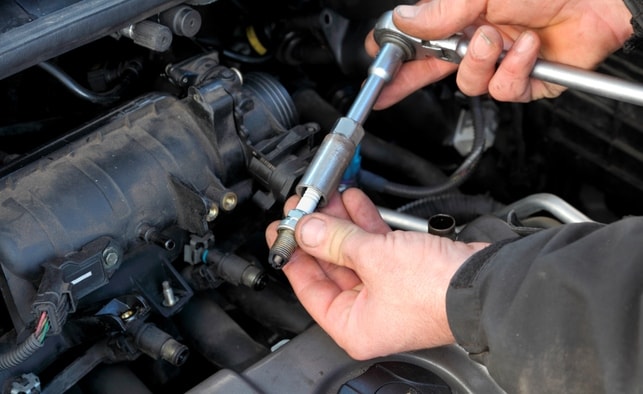 |
| A faulty spark plug can be caused by worn or melted electrodes, or by carbon deposits on the electrodes. This widens the gap between the electrodes, making it difficult to generate a spark.Additionally, faulty spark plugs could be caused by damaged high-voltage wires, a faulty distributor, etc. If you encounter this problem, you should replace the spark plugs as well as other parts. This will help fix the problem of the car engine jerking. |
2. The air filter is clogged with too much dust.
 |
| The air filter's job is to filter dust from the air before it enters the engine. If the air filter becomes clogged with too much dust, the amount of air entering the engine will be uneven. This causes the car engine to stutter. To fix this, you should clean or replace the air filter. |
3. Due to the throttle position sensor.150
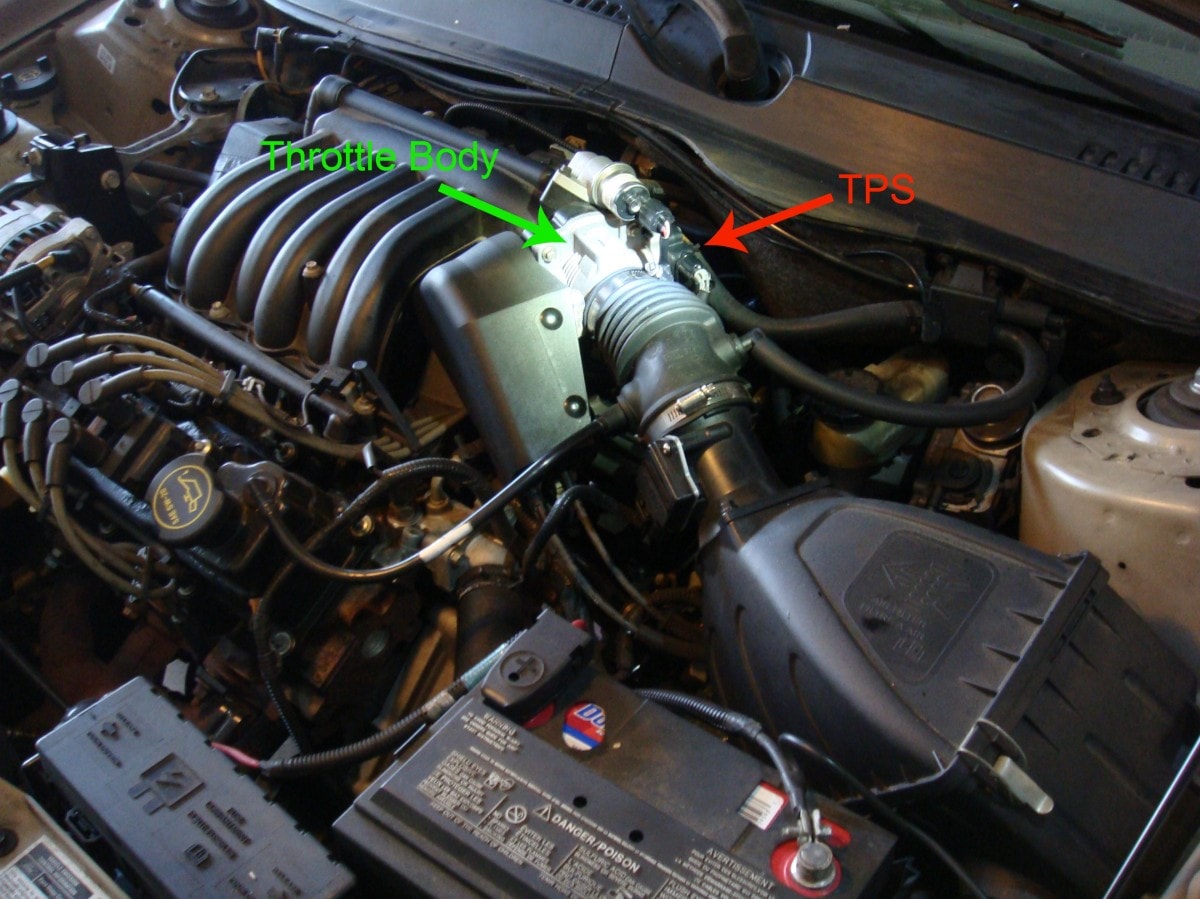 |
| The TPS sensor is responsible for sending signals about the throttle opening angle to the ECU. If the potentiometers are damaged or a short circuit occurs, the ECU will control the injection of more fuel into the combustion chamber. Alternatively, if the sensor's circuit is open, less fuel will be injected. This can cause the car engine to stutter, stall, and be difficult to start. |
4. Due to the EGR (Exhaust Gas Recirculation) valve.
 |
| The exhaust gas recirculation (EGR) valve is responsible for directing some of the exhaust gases back into the combustion chamber to reduce engine temperature and decrease harmful components in the exhaust. An EGR valve can become stuck or leak. This can cause the car engine to stutter or stall. |
5. Due to the oxygen sensor
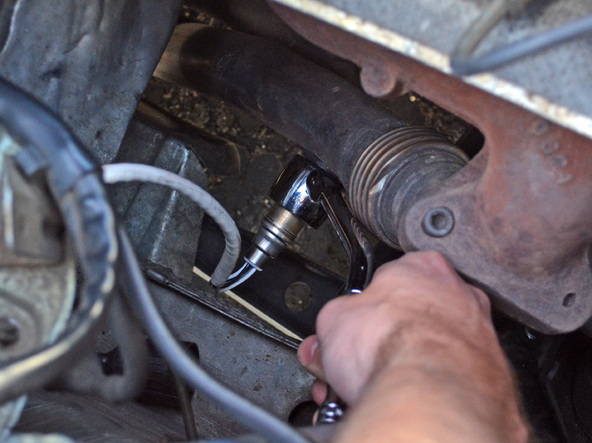 |
| The oxygen sensor measures the amount of oxygen in the exhaust gas and sends a signal to the ECU. The ECU then processes this information and calculates the amount of fuel to inject into the combustion chamber. After prolonged use, carbon deposits can clog the sensor's holes. This causes the ECU to malfunction, resulting in misfiring, increased fuel consumption, and damage to the fuel injectors, causing the engine to stutter. |


