
5 common mistakes when installing rooftop solar power.
Rooftop solar power is becoming an attractive option amidst rising electricity prices. However, many families still make common mistakes that reduce investment efficiency and generate unnecessary costs.
With electricity prices constantly rising, installing rooftop solar power systems is becoming an attractive option for many families. However, this is not an investment that can be applied using a one-size-fits-all formula. Each house has different roof characteristics, electricity needs, and financial capabilities, requiring a suitable design solution.
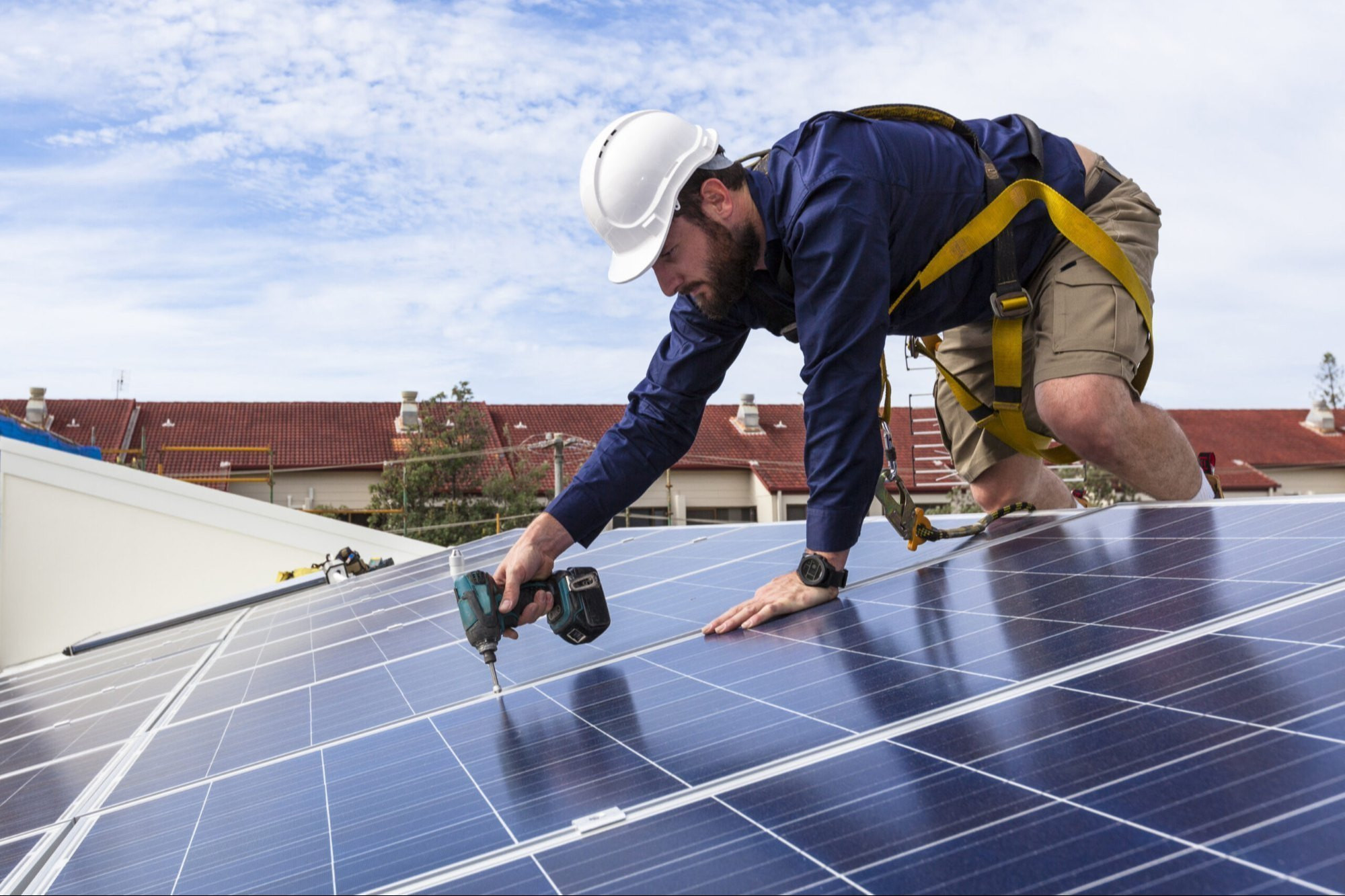
Therefore, many homeowners make mistakes right from the planning and system selection stage, leading to increased costs, reduced investment efficiency, or inconveniences during use.
Identifying and avoiding common mistakes from the outset will help optimize solar energy utilization and ensure long-term value for your investment.
Installing the wrong number of solar panels compared to actual needs.
One of the most common mistakes households make is trying to cut upfront costs by installing fewer solar panels than they actually need.
Investing in a system that is too small can leave the family significantly dependent on the grid, resulting in negligible reductions in electricity bills and a longer payback period for the project. In that case, the solar power investment may not yield the expected return.
Conversely, installing an excessively large system is not the optimal solution either. Many homeowners are persuaded by advertisements about energy-saving capabilities without carefully calculating their actual usage needs, leading to investment costs exceeding their budget.
Before deciding to install solar panels, homeowners should accurately assess their family's monthly electricity consumption to choose the appropriate system capacity. For many households, a system of 15-20 panels is usually sufficient to meet most electricity needs; however, this number may vary depending on the size of the house and electricity usage habits.
Neglecting roof inspection and repair
Solar panels typically have a lifespan of over 25 years. This means the roof must be strong enough to support the entire system for such a long period.
However, many homeowners skip the roof inspection step before installation. Problems such as cracked tiles, leaks, or structural deterioration can lead to significant additional costs in the future.
After a solar power system is installed, roof repairs become much more complicated. In many cases, the contractor must dismantle part or all of the system before repairs can begin, significantly increasing costs and causing disruptions to electricity production.
Therefore, experts recommend thoroughly assessing the condition of the roof and completing any necessary repairs before installing a solar power system.
Failure to clean solar panels regularly.
Many people believe that solar power systems require virtually no maintenance. In reality, dirt, leaves, industrial dust, or bird droppings can accumulate on the surface of the solar panels and reduce their power generation efficiency over time.
Initially, this decline may be difficult to notice, but in the long run it will significantly affect the amount of electricity generated. Some studies show that solar panels that are not regularly cleaned can lose 15% to 20% of their power generation efficiency.
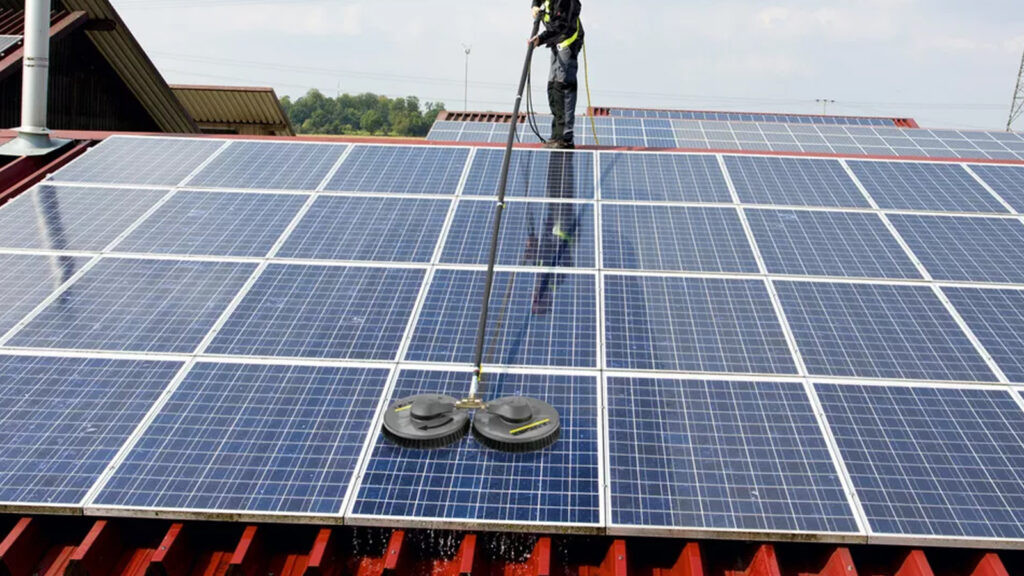
In areas with high levels of pollution or dust, the reduction in efficiency may be even greater.
Fortunately, maintenance is quite simple. Homeowners only need to check it periodically, every few months, and clean it with clean water and a soft cloth to maintain optimal system performance.
Failing to research and survey the market when choosing a supplier.
The rapid growth of the solar power market in recent years has offered consumers more choices, but it also carries significant risks.
A common mistake is signing a contract with the first company without conducting market research. This can cause homeowners to miss out on better options in terms of equipment quality, warranty policies, or pricing.
Comparing price quotes from multiple suppliers gives users a more comprehensive view of the market, allowing them to make decisions that suit their needs and budget.
In particular, you shouldn't choose based solely on the lowest price. The quality of the solar panels, inverter, mounting system, and after-sales service all directly impact operational efficiency for many years after installation.
The impact of shade has not been fully assessed.
The efficiency of a solar power system depends heavily on its ability to receive sunlight. Therefore, shade from trees, nearby buildings, or other obstructions can significantly reduce electricity production.
A common mistake many homeowners make is assessing lighting conditions only at the time of the survey, without considering seasonal changes throughout the year.
In reality, the angle of sunlight changes constantly with the seasons. A tree that doesn't pose a threat in the summer may cast a large shadow in the winter. Similarly, future new construction projects could also affect the system's ability to absorb sunlight.
Therefore, during the design process, it is necessary to carefully assess factors that may cause shading, not only in the present but also in the future. This helps optimize power generation efficiency and ensure that the investment yields long-term returns.
Rooftop solar power can help households save significantly on electricity costs for many years. However, the effectiveness of the investment depends not only on the quality of the equipment but also on the planning and implementation process.
Choosing the right system size, thoroughly inspecting the roof, maintaining regular cleaning, selecting a reputable supplier, and fully assessing lighting conditions will help homeowners avoid costly mistakes and maximize the benefits of solar energy.


