
5 common accidents during storms.
(Baonghean.vn) - During storms and heavy rain, proactive prevention is necessary.The following 5 accidents.
"Understand these 4 principles to never get struck by lightning."
Drowning is a common accident during the rainy season, especially for those living near rivers, streams, lakes, and dams. Rainstorms often cause rivers, streams, ponds, and lakes to rise and flow rapidly, altering the normal flow and making people passing through these areas very susceptible to accidents.
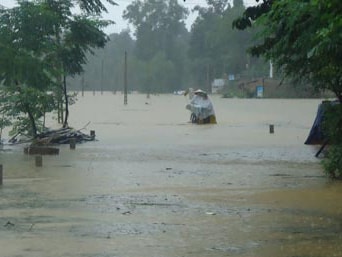 |
| Minimize travel through areas with flooding or strong currents. (Illustrative image.) |
To prevent drowning, it is important to avoid flooded areas and areas with strong currents; during the rainy season, if you must cross flooded areas, use life vests and travel in groups (to assist each other when needed). Acquire swimming skills and learn how to handle situations involving drowning or encountering someone who is drowning.
2. Traffic accidents
The road was slippery, and the driver was speeding.Rainstorms are also one of the causes of the annual increase in traffic accidents. Rain greatly affects drivers' visibility. When it rains, road users often have the habit of driving quickly to avoid the rain, while the road surface is slippery, making accidents very easy to happen.
Heavy rains also cause road systems to flood and deteriorate. In this case, drivers often have a habit of avoiding flooded areas, so they swerve into the left lane, causing accidents or falls.
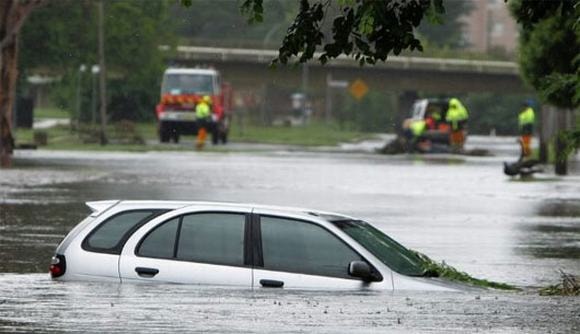 |
| The streets were completely flooded, making it difficult for commuters to distinguish between the road and manholes. (Illustrative image.) |
Manholes, potholes, and large craters:The current situation of manholes without covers is also a lurking danger when the rainy season arrives. Streets are flooded, and road users don't know where the road is and where the manholes are to avoid them. Similarly, deteriorated roads with potholes pose a similar risk.
The tree has fallen:Heavy rain and strong winds caused trees along the roadside to be uprooted and fall, crushing people and vehicles traveling on the road.
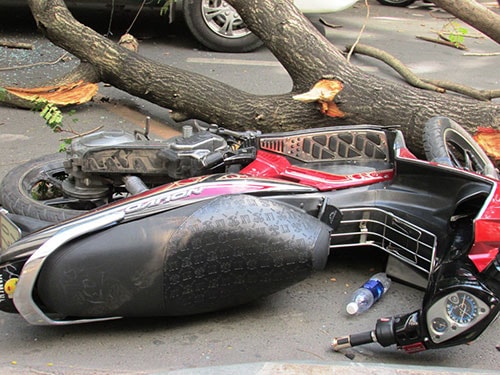 |
| Storms cause trees along the roadside to be uprooted or broken, easily leading to tragic accidents. (Illustrative image.) |
To prevent traffic accidents during storms, absolutely do not go outside when it is raining heavily and windy.
If you must go out, please note: when driving in rainy conditions, observe carefully, drive cautiously, do not encroach on other lanes, do not speed or overtake recklessly, do not seek shelter under trees that are leaning or uprooted; ensure that your vehicle is in safe condition with proper brakes, signal lights, and tires when participating in traffic.
Observe the vehicles and people ahead so you can proactively avoid potential hazards.
3. Accidents and injuries
These injuries often result from collapsing houses, falling trees, falls while repairing or securing homes during storms, etc., leading to broken bones, soft tissue injuries, and serious trauma.
To prevent these injuries, we need to pay attention to the following: avoid going outside during heavy rain and strong winds; do not climb onto buildings to repair them unless you are sure it is safe; and proactively prepare for storms before they hit your living area.
4. Struck by lightning
Lightning often occurs before, during, and even after rain. It is an extremely powerful electric current, and metal is a very good conductor of electricity. This current has an intensity ranging from tens of thousands to over one hundred million volts. When lightning discharges, the temperature of the electrical spark can reach thousands of degrees Celsius.
Ideally, during thunderstorms, you should stay away from items like bicycles, motorbikes, iron fences, hoes, sickles, etc., as they conduct electricity very well.
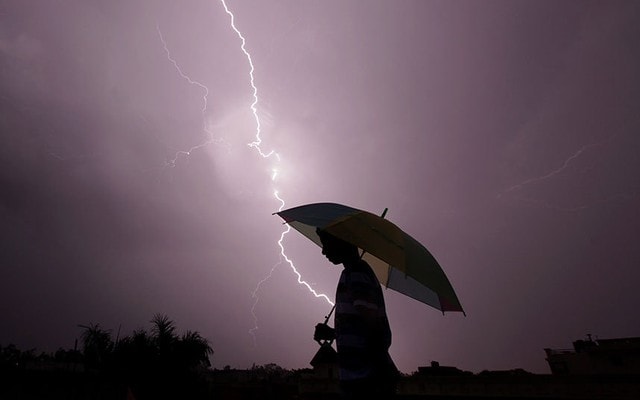 |
| Because umbrellas contain metal, carrying one during a thunderstorm makes you vulnerable to lightning strikes. (Illustrative image.) |
Furthermore, carrying an umbrella is also considered a "lightning rod" because it contains metal. Therefore, when it's raining and there's thunder, don't be foolish enough to go out with an umbrella; absolutely do not take shelter under a tree.
When indoors, stay away from windows, doors, and electrical appliances. Avoid damp areas such as bathrooms, water tanks, and faucets. Do not use the telephone unless absolutely necessary.
5. Electrical accidents
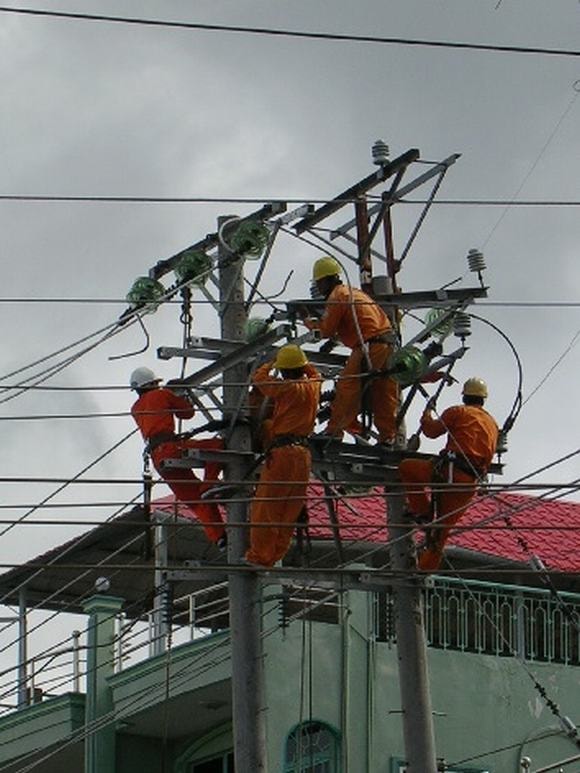 |
| Regular maintenance of electrical systems contributes to reducing electrical accidents during the rainy and stormy season. (Illustrative image.) |
During the storm and flood season, infrastructure systems, including the power system, are often affected: power lines are broken, poles tilt and fall, electrical equipment catches fire or explodes, floodwaters or landslides wash away power poles, etc. In addition, there are many other incidents such as trees falling onto power lines; storms blowing advertising signs, corrugated iron roofs, straw, and hay onto power lines; rising water flooding and causing landslides affecting power infrastructure, etc., posing numerous hazards and dangers to the people.
To prevent electrical accidents during the rainy season and to ensure the safety of property, lives, and health, electricity users should adhere to the following principles: Do not run electrical wires on tree branches, walls, roofs, etc., as this can easily cause short circuits and fires; do not erect antennas near power lines. Do not use electricity for burglar alarms, rat traps, fishing, etc.
Do not stand under utility poles or transformer stations to take shelter from the rain; Do not directly touch utility poles, grounding wires, pole bracing wires, meter boxes, switch boxes, switches, or fuses without covers; Do not go onto rooftops or balconies (where power lines cross); Do not attempt to repair outdoor power lines or electrical equipment yourself; Disconnect the power supply if the area inside the house is flooded or the floor is wet from rain (splashing or leaking).
Electrical wiring, sockets, and appliances should be installed above the usual flood level and damp areas; appropriate circuit breakers with leakage protection should be installed; and the power supply to outdoor electrical equipment (signs, advertisements, etc.) should be cut off during heavy rain and strong winds.
Hoa Le
(Synthetic)
| RELATED NEWS |
|---|


