5 key messages shaping a new development trajectory.
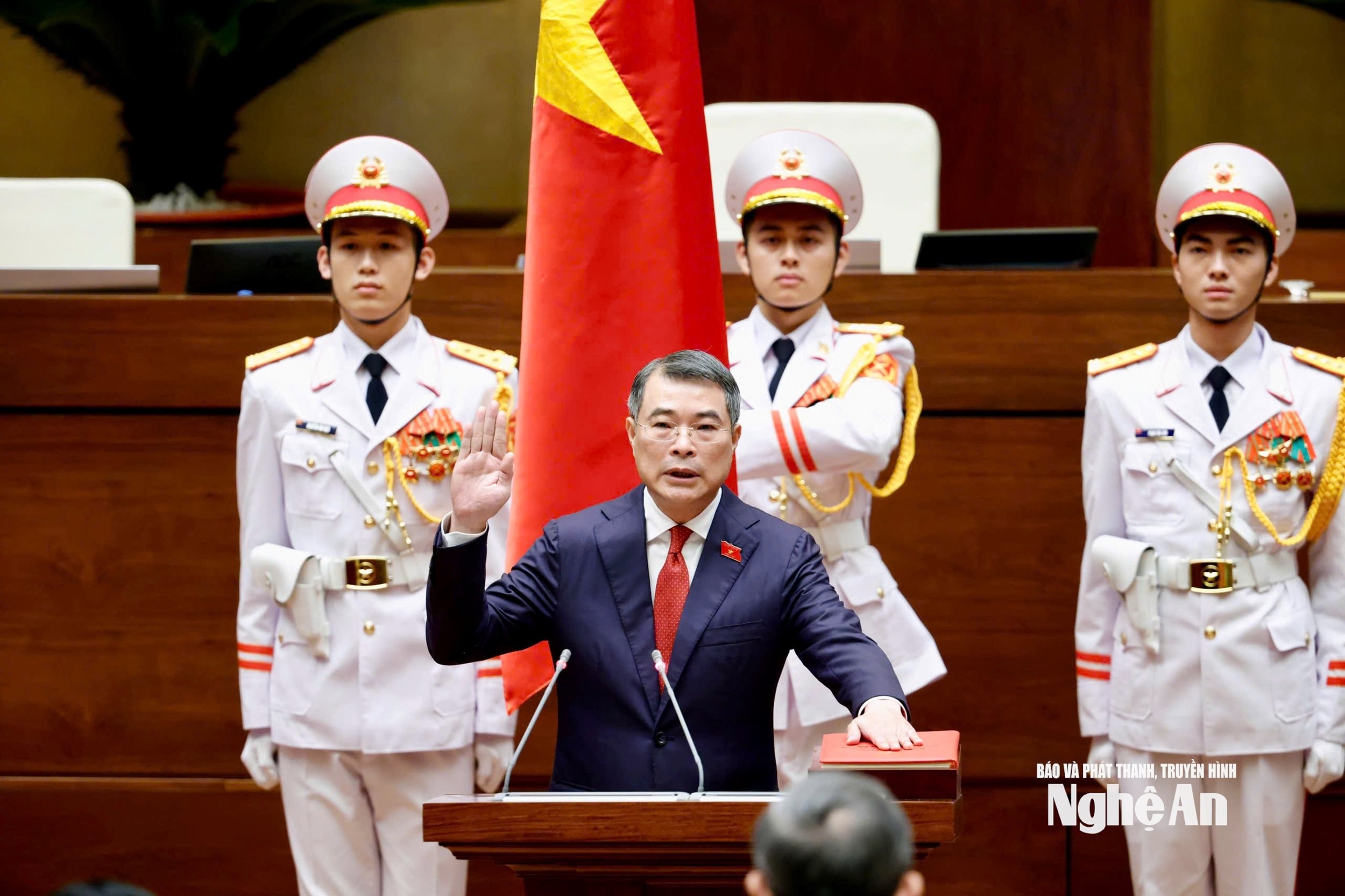
In his inaugural speech, Prime Minister Le Minh Hung outlined five major directions that were not only action programs but also a system of strategic messages, clearly reflecting a new step forward in national governance thinking...

Dr. Pham Ngoc Hung (Communist Magazine)
Present:Hong ToaiApril 16, 2026
*****
In his inaugural speech, Prime Minister Le Minh Hung outlined five major directions that are not only action programs but also a system of strategic messages, clearly reflecting a new step forward in national governance thinking. Placed within the overall framework of the Party's policies and guidelines, especially the recent directives from General Secretary and President To Lam, these directions demonstrate an effort to combine inheritance and innovation, stability and breakthroughs, long-term vision and the need for immediate action.
The five messages presented in Prime Minister Le Minh Hung's inaugural speech can be seen as five pillars constituting a modern development governance model, in which the State plays a facilitating role, the market plays a resource allocation role, and society is the beneficiary and partner.
The message of building a modern, constructive, and service-oriented government demands profound changes in governance philosophy. Beyond purely administrative reform, this direction aims for a data-driven, transparent, and accountable governance system. The core of institutional reform is not merely amending overlapping regulations, but establishing an environment where trust becomes the foundation for investment and innovation. When procedures are simplified, compliance costs are minimized, and property rights are guaranteed, social resources will be unleashed more powerfully than any stimulus.
In that orientation, the goal of rapid and sustainable growth is identified as a strategic requirement. Double-digit growth is not just an economic indicator, but a development choice aimed at narrowing the gap with advanced countries.

Notably, the approach to growth has shifted significantly towards depth, with science, technology, innovation, and digital transformation playing a central role. As productivity becomes the primary driver, the growth structure will be more sustainable, less dependent on capital and labor expansion, which have reached their limits and revealed many shortcomings. Simultaneously, the affirmation of the private sector as the most important driving force demonstrates a step forward in understanding the role of the market. This means that reforms must aim to remove barriers, create a level playing field, and encourage healthy competition.

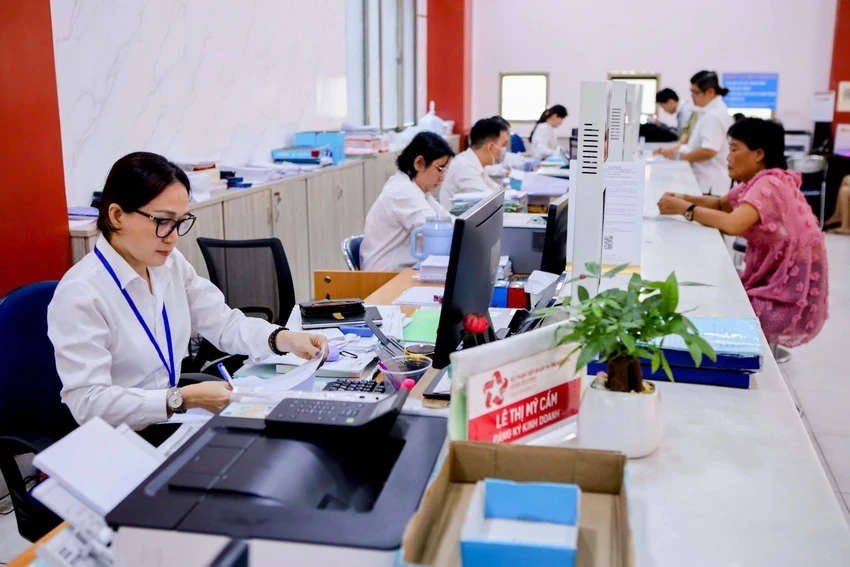
Another key point lies in the requirement for efficient operation of the new administrative model. The two-tiered local government structure represents a revolution, signifying a qualitative shift in the way state power is exercised. When decentralization and delegation of power are implemented effectively, coupled with resource allocation and capacity building for officials, the system becomes more flexible and responsive to practical needs. In particular, using citizen and business satisfaction as a benchmark clearly reflects the shift from management to service, a core criterion of modern administration.
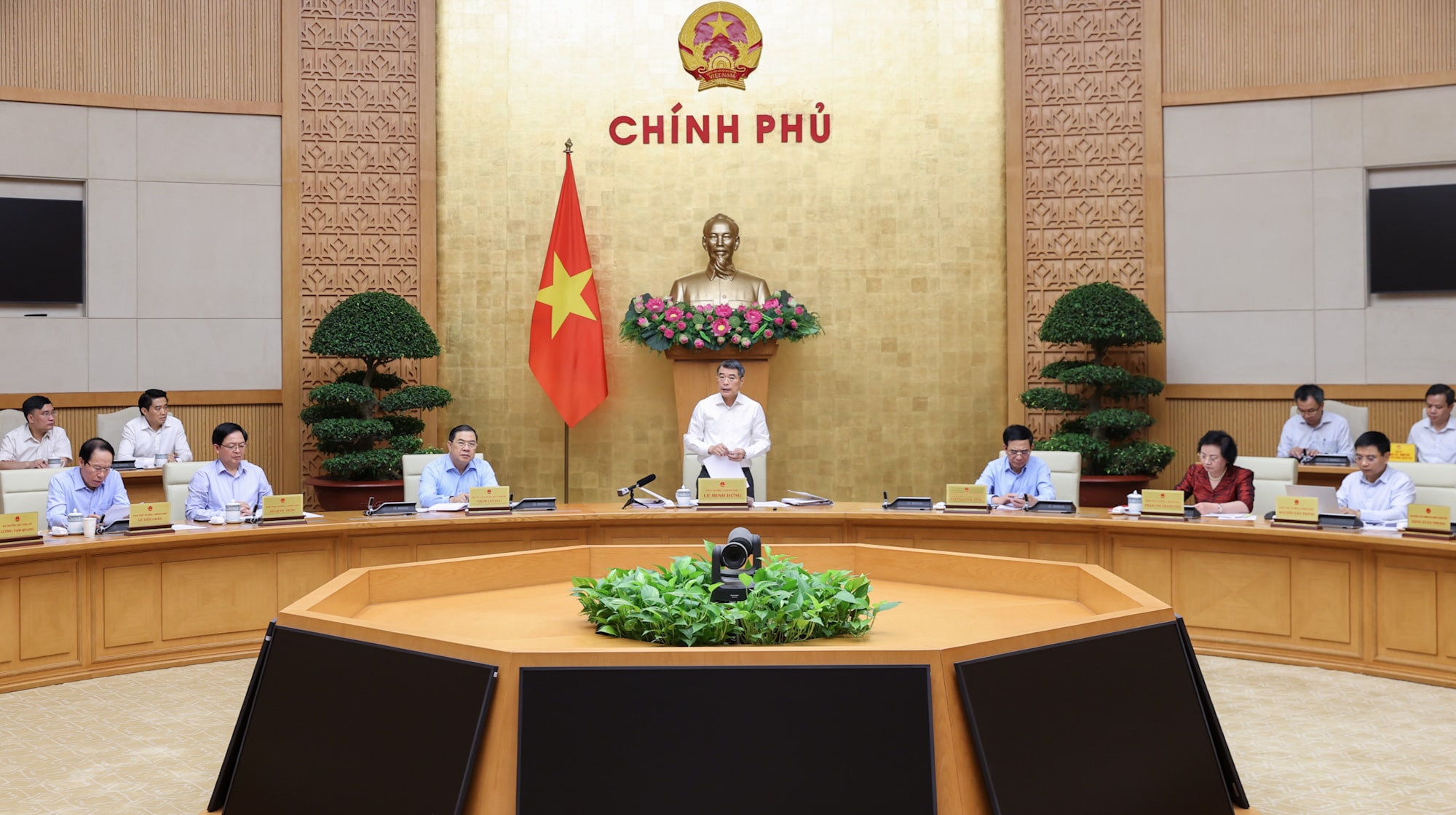
Alongside this is the message about strengthening coordination and collaboration throughout the entire political system. In the context of increasingly interdisciplinary and complex development issues, effective governance no longer depends on individual agencies, but on the ability to connect and coordinate. When the Government closely collaborates with the National Assembly in institution building, with the Vietnam Fatherland Front and socio-political organizations in understanding practical realities, and with the business community in policy implementation, the planning and implementation process will become more substantive and feasible. This is also the foundation for building an open governance model, where policies are formed from two-way interaction between the State and society.
Overarching this is the requirement to build a government that is honest, disciplined, courageous, and responsible. This is both an ethical standard and a prerequisite for other directions to be implemented. When discipline is tightened, power is controlled, and responsibility is clearly defined, the effectiveness of the system will be enhanced. At the same time, encouraging and protecting officials who dare to think, dare to act, and dare to take responsibility for the common good demonstrates a balanced approach between control and innovation. This does not mean condoning wrongdoing, but rather creating a solid legal framework so that officials can confidently dare to act and innovate.

Based on the established guidelines, what society expects is not just a vision, but the ability to realize that vision through concrete, consistent, and effective steps. A constructive government is only truly recognized when reforms address core issues, where long-standing bottlenecks hindering development have existed.

The primary expectation lies in creating a profound institutional breakthrough. When factor markets such as land, capital, labor, and science and technology operate transparently and smoothly, resources will be allocated more efficiently, minimizing prolonged bottlenecks. This will give businesses confidence in long-term investment, while simultaneously creating a healthy competitive environment where innovation is encouraged and protected.
Alongside this is the need to shape a new growth model in which productivity and quality play a central role. Placing people at the forefront means that investing in education, training, and skills development must become a strategic priority. When the workforce is capable of mastering technology, digital transformation and innovation can truly take place, creating higher added value for the economy.

In a volatile world, macroeconomic management capabilities will be decisive for the stability and sustainability of growth. Pursuing high growth targets requires flexible coordination of policies, while also effectively controlling inflation, exchange rates, and major economic balances. This is a difficult challenge, demanding courage and experience, but it also presents an opportunity to demonstrate the government's capabilities in the new term.
An active government is also expected to bring about substantive changes in people's daily lives. When procedures are processed faster, business costs decrease, and access to resources becomes more equitable, people and businesses will clearly feel the effects of reforms. It is these concrete changes that are the truest measure of governance quality.


Ultimately, the most significant long-term outcome is strengthening and nurturing social trust. Trust doesn't come from declarations, but is built through sound policies and consistent actions. When citizens trust the integrity and efficiency of the government, and when businesses trust the stability and transparency of the investment environment, the impetus for development will be amplified.
The five messages from Prime Minister Le Minh Hung are therefore not only political commitments, but also a defining statement for a new phase of development. The remaining issue lies in the capacity for implementation, where each decision, each reform, and each specific action will contribute to shaping the image of a constructive, proactive, and people-serving government.