
50 years - a glorious journey of literature and art in Nghe An.
Fifty years since the reunification of the country (April 30, 1975 - April 30, 2025), the literature and art of Nghe An have undergone a persistent, dedicated, and inspiring journey. From the early days of many difficulties, to the present day, the land of Nghe An has left brilliant marks on the map of literature and art of the whole country and the region.
A platform meticulously crafted with a strategic vision.
.jpeg)
The Nghe An Provincial Party Committee has consistently shown keen interest and provided close guidance, creating a solid policy framework for the development of literature and art. Many projects and plans, such as the preservation and development of ethnic minority languages, scripts, and arts; training of young artists; and the development of a literature and art development plan until 2030 and beyond, have become driving forces for the widespread dissemination of creative works.
Artistic creation: Identity and integration
Over the past half-century, more than 200 literary works have been published, nearly 300 works of fine art, and over 220 works of art photography have been exhibited at national and regional levels. Hundreds of songs, scripts, and dance works have been created, with many performances winning national gold medals.
Prominent figures such as musician Le Ham, writer Nguyen The Quang, and photographer Nguyen Canh Hung have brought home prestigious awards, honoring Nghe An on the regional and global art map.
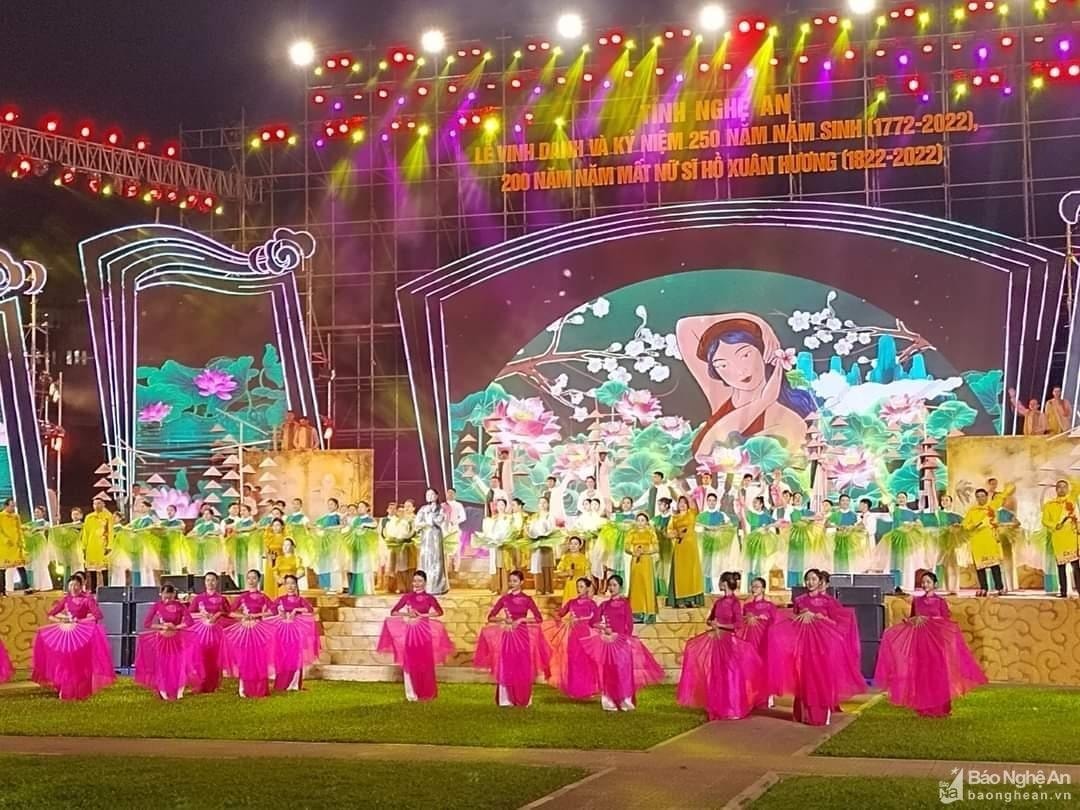
In particular, the 6th Ho Xuan Huong Literature and Arts Award and the celebration of the 250th anniversary of the birth and 200th anniversary of the death of the poet Ho Xuan Huong demonstrated the stature and cultural depth of Nghe An province - a land of "spiritual and talented people".
Preserving heritage - spreading the national spirit
Nghe An is one of the few localities that possesses many intangible cultural heritage sites recognized by UNESCO, such as the Nghe Tinh folk songs (Vi and Giam) and the Tam Phu Mother Goddess worship.
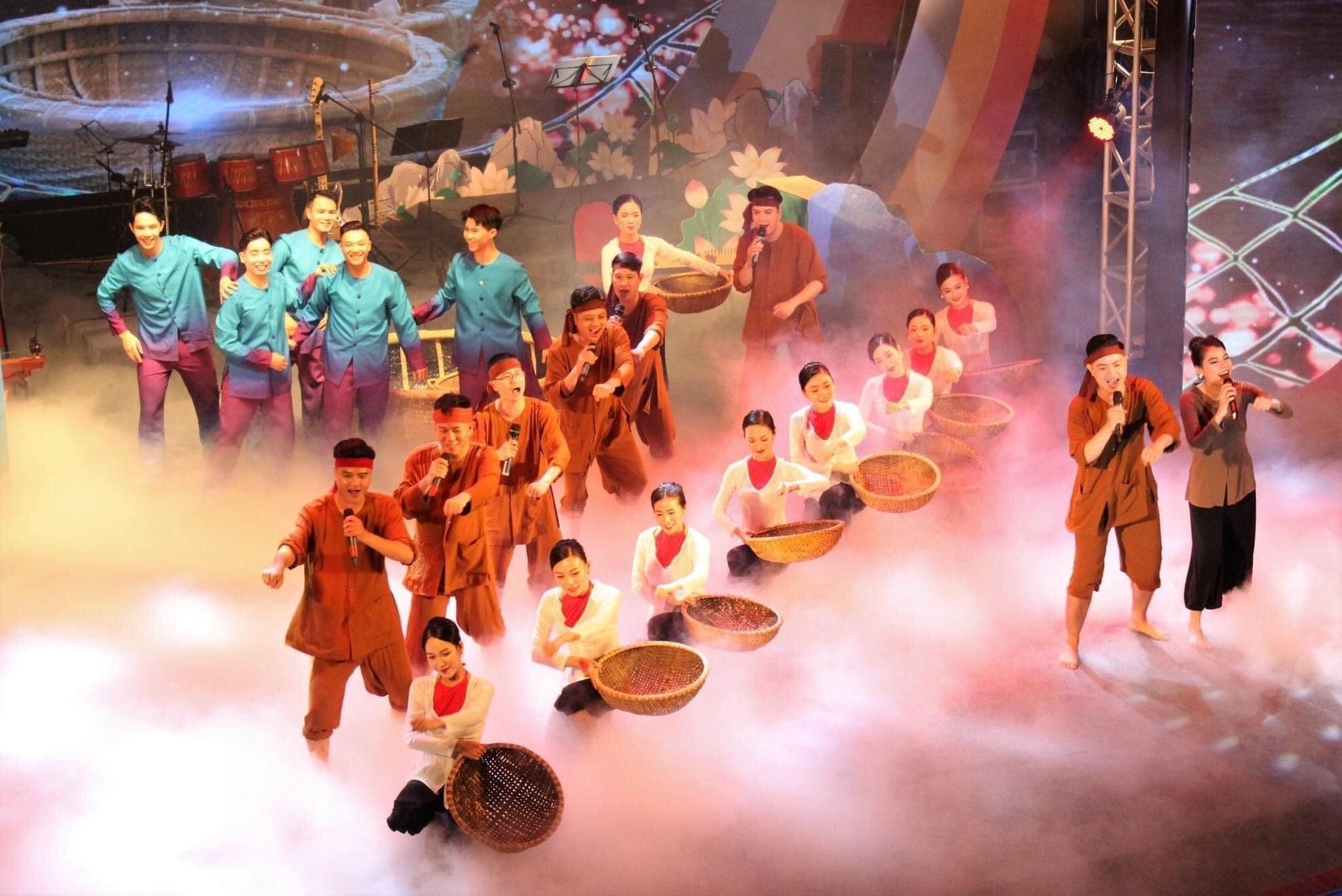
With 137 Ví Giặm clubs, 109 folk song and music clubs, and hundreds of performing arts clubs operating effectively throughout the localities, folk culture has truly revived, developed, and spread strongly from schools to the community.
Building a team – nurturing those who "keep the flame alive"
The province's artistic community is growing stronger with over 385 members across 8 disciplines, many of whom have achieved high levels of expertise in their respective fields and political theory. The presence of 2 associate professors, 8 doctors, 3 People's Artists, and numerous outstanding artisans is testament to the remarkable growth of the province's artistic workforce.
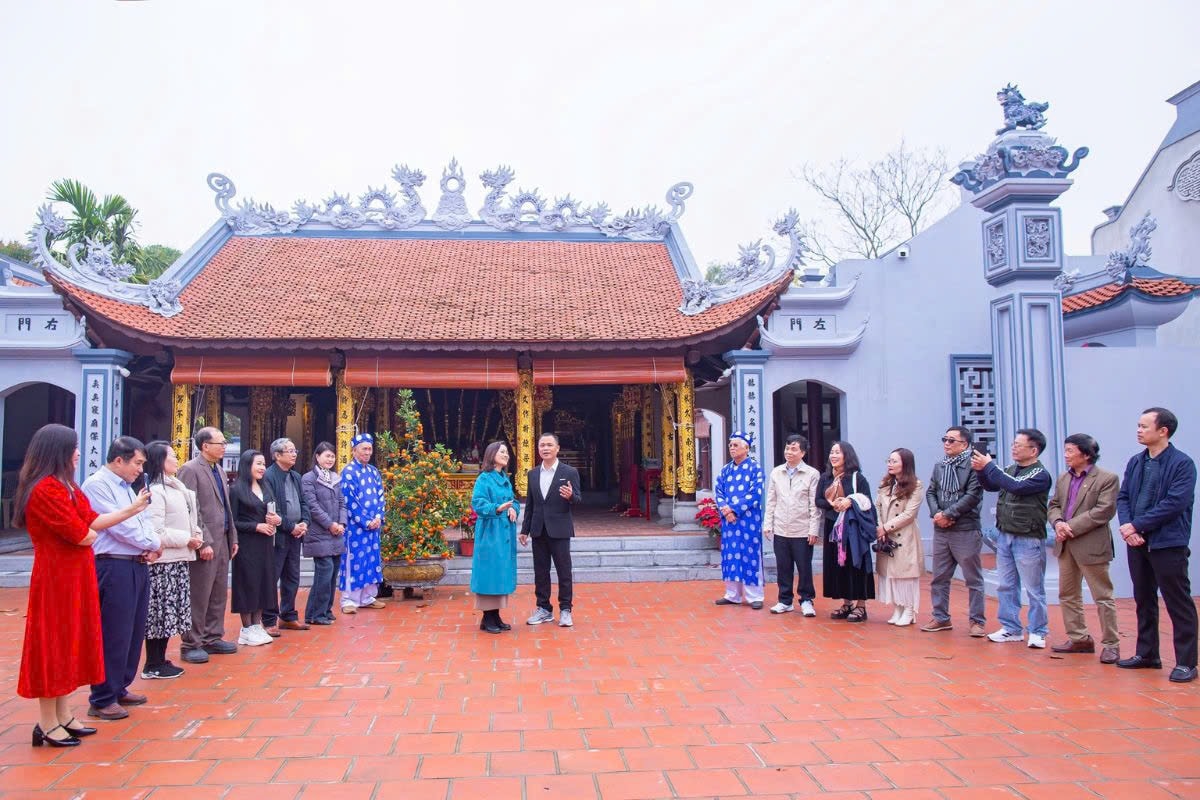
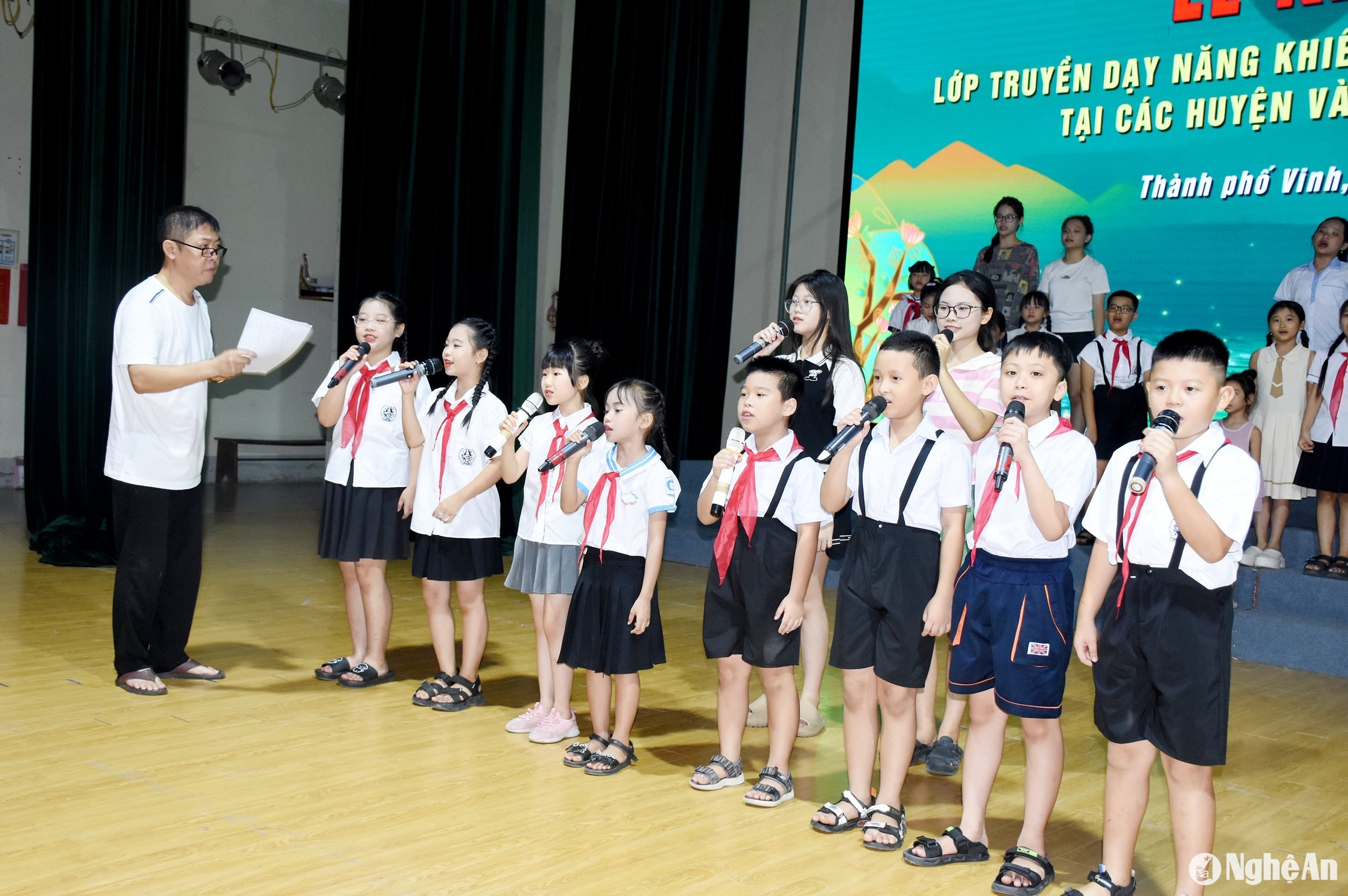
Training and development have always been a priority, from specialized training courses to the establishment of school arts clubs. The fact that 100% of schools have incorporated the Ví and Giặm folk singing tradition into their curriculum is a source of great pride.
Cultural integration - global connectivity
Nghe An's literature and arts are constantly expanding. From folk singing performances in Europe, tours in Laos, South Korea, and Australia, to the establishment of Vietnamese-language libraries in Laos, international cultural and artistic exchange activities have broadened the spiritual boundaries, introducing the image of the people of Nghe An to friends around the world.
Cultural foundation - the core of sustainable development
The "National Unity for Building a Culturally Rich Life" movement, linked with the New Rural Development program, has brought literature and art back to the community, making it an integral part of daily life. Thousands of performances, competitions, and creative workshops have been organized throughout the province, unleashing the latent creativity within each person in Nghe An.
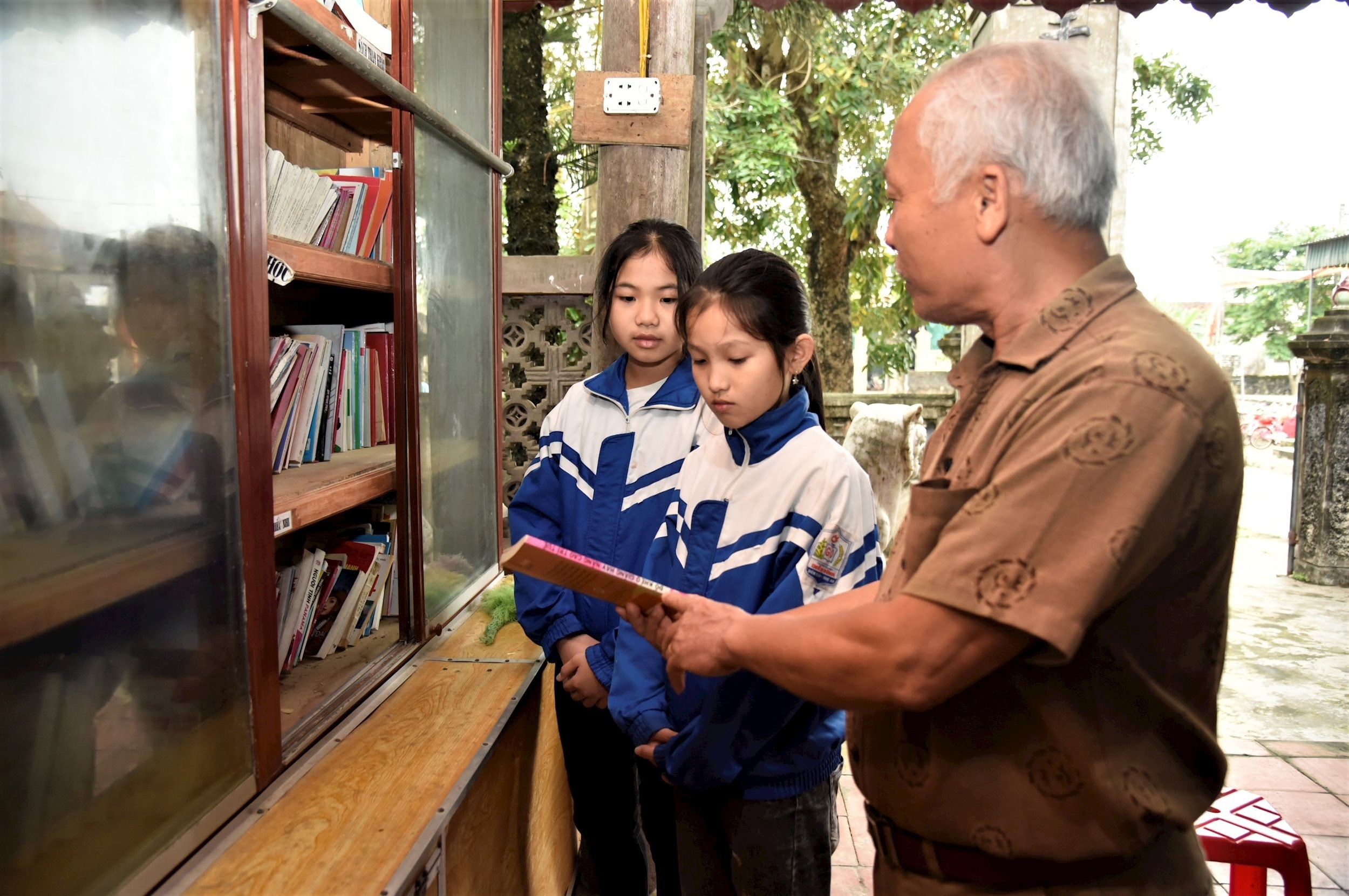
Fifty years is a long journey filled with countless efforts, contributions, and aspirations. But it is these achievements today that are becoming a solid foundation for Nghe An's literature and art to continue to flourish, rightfully deserving its status as the "cradle" of national spirit and identity, and a launching pad for Nghe An's deep integration into the new era.


