
6 serious illnesses that are easily misdiagnosed as a common cold.
(Baonghean.vn) - In cold, rainy weather, some people experience symptoms such as headaches, fever, coughs, sore throats, and general fatigue, which are very similar to a common cold, so they often self-treat at home. However, these could be signs of serious illnesses that can be life-threatening if left untreated.
 |
| In the early stages, the disease presents with symptoms such as fever, sore throat, and weakness, very similar to a common cold. These symptoms often recur until blood and bone marrow tests reveal that the patient has leukemia. |
 |
| Clinical symptoms develop slowly, are vague, and difficult to diagnose. When the disease becomes severe, the tumor compresses peripheral nerve structures, leading to neurological dysfunction and symptoms of increased intracranial pressure: dizziness, headache, and nausea. |
 |
| Symptoms such as fever, cough, and phlegm appear, and many people assume it's just a common cold, thus missing the best time to treat the illness. The only way to detect the disease is through a chest X-ray and blood tests. |
 |
| Before the onset of symptoms, patients often experience upper respiratory tract infections, tonsillitis: sore throat, runny nose, nasal congestion, etc. After a few days/a week, patients will feel loss of appetite, fatigue, nausea, facial and body swelling, cloudy urine, etc., at which point the disease is detected. |
 |
| Severe laryngitis manifests with symptoms such as sore throat, fever, and difficulty breathing. The disease progresses very rapidly and can be life-threatening when the epiglottis, a small cartilage covering the trachea, blocks the flow of air into the lungs. |
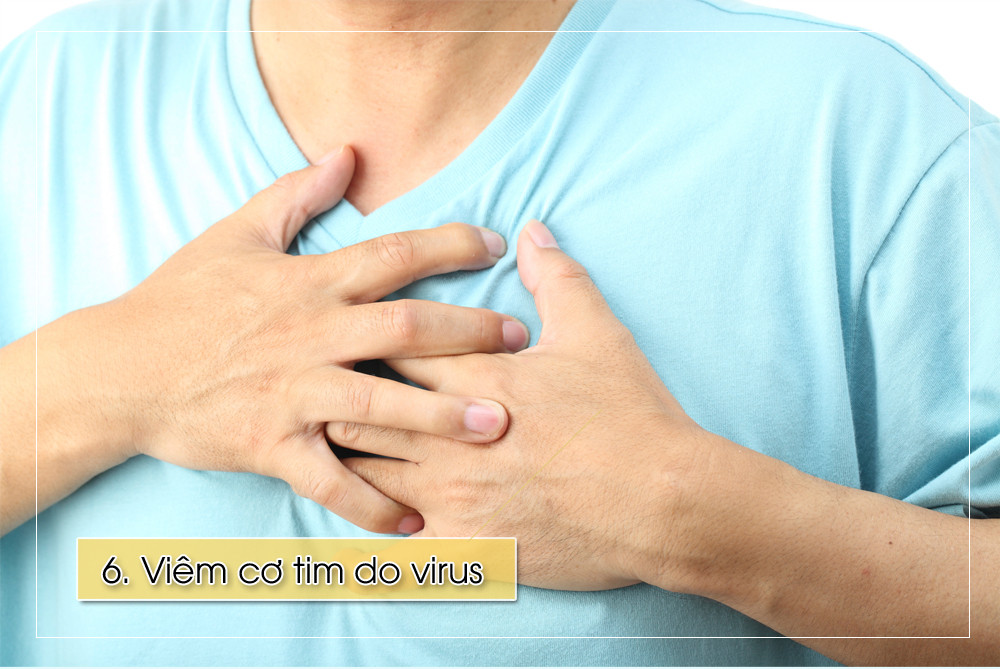 |
| When infected, respiratory infection symptoms similar to a cold may appear 1-3 weeks before the onset of the illness. Many people become complacent when their bodies are weak, experiencing palpitations, shortness of breath, dizziness, chest pain, etc., leading to missed opportunities for optimal treatment. Some patients die from severe heart rhythm disorders, heart failure, or cardiogenic shock. |


