
6 early warning signs of stroke
Early recognition of stroke warning signs helps patients receive timely and effective emergency care and treatment.
Recognizing the warning signs of stroke and seeking timely medical intervention is essential to minimizing dangerous consequences. Below are six early warning signs of stroke you need to know so you can take timely measures to protect yourself and your loved ones.
Facial asymmetry, facial paralysis.
According to an article on the Tam Anh General Hospital website, with professional advice from MSc. Dr. Quang Thanh Ngan, one of the easily recognizable signs of stroke in men is a drooping mouth or facial muscle weakness or paralysis.
When the brain is deprived of blood, particularly due to blockage of the middle cerebral artery (MCA), the muscles that control facial expressions are also weakened, making it impossible for the patient to smile or curl their lips normally. This symptom usually occurs quickly and noticeably, and may be accompanied by a feeling of numbness or slight twitching on the affected side of the face.
To check, ask the patient to smile or grimace on command. If one side droops, twitches, or cannot move involuntarily, this could be a dangerous warning sign of a stroke that needs attention.
Difficulty moving, weakness, or numbness in the arms, legs, or body.
Before a stroke, men may experience sudden weakness or paralysis on one side of the body, especially in the arm and leg. At this time, the patient may be unable to lift their arm or walk unsteadily, losing balance.
This symptom occurs primarily due to damage to the motor cortex, located in the frontal lobe. This is a common stroke symptom in men and requires early detection; without timely intervention, the chances of recovering motor function after a stroke may be reduced.
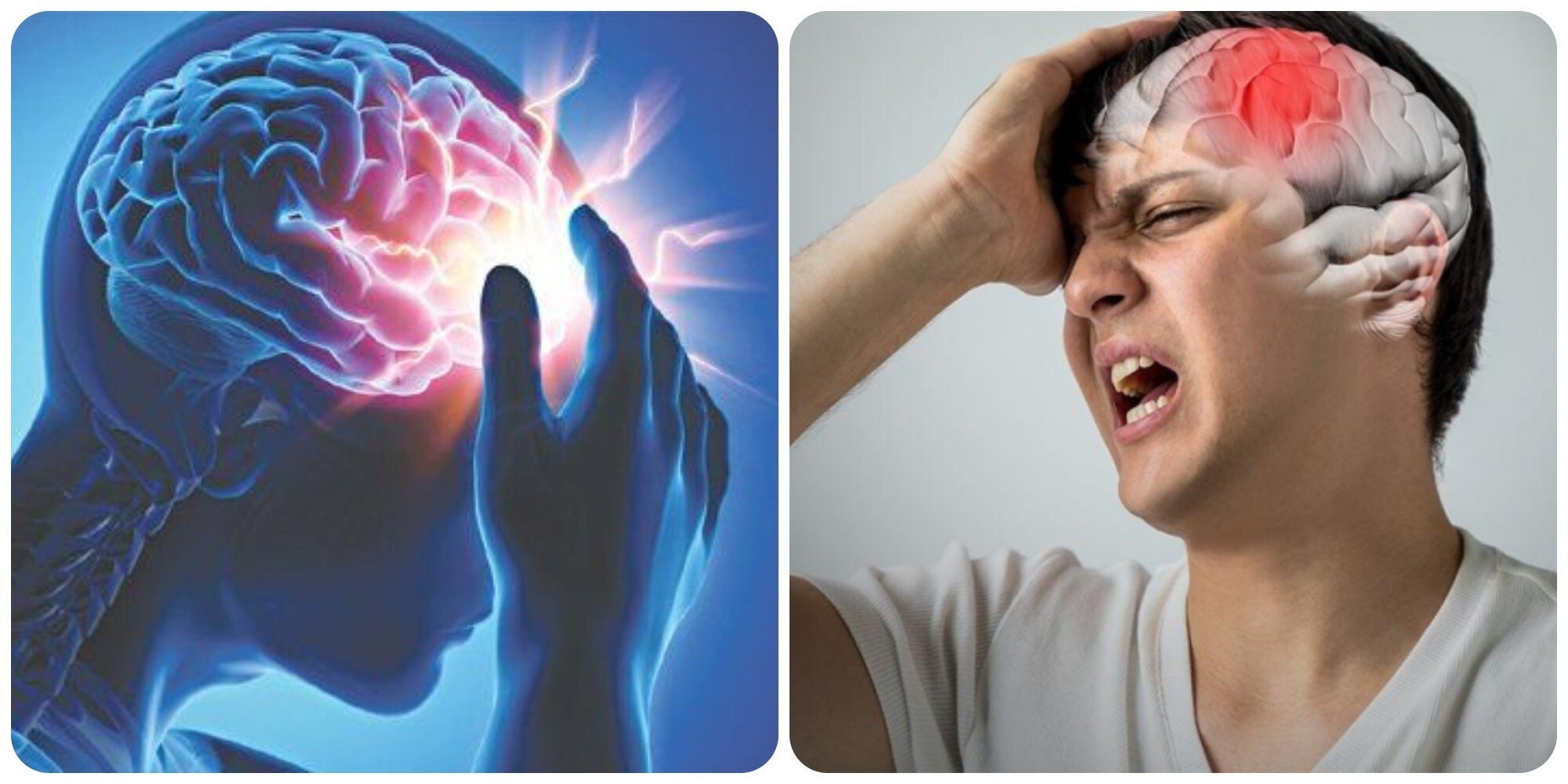
Severe headache, dizziness, loss of balance
A sudden and severe headache accompanied by dizziness and loss of balance can be a dangerous sign of stroke in men. The pain feels like a strong electric shock, causing a sharp, tightening sensation in the head, making the patient dizzy, unable to maintain balance, and prone to falls.
This symptom is primarily related to damage to the cerebellum – the organ that coordinates movement and controls balance. When blood flow to the cerebellum is interrupted, patients will have difficulty moving or standing.
Vision has deteriorated.
An article on the Medaltec General Hospital website, with medical consultation from Dr. Duong Ngoc Van, states that stroke victims often experience vision problems in the period before the stroke occurs. Therefore, this is also considered one of the six warning signs of an impending stroke.
Vision problems in stroke patients stem from insufficient blood supply to the brain. This causes abnormalities such as:
- Blurred vision or complete blindness.
- Near or far vision is poorer than normal.
- The vision shows dark shadows or blind spots.
Numbness and weakness in the limbs
Before a stroke occurs, patients often experience numbness or weakness on one side of their body. This symptom is due to a lack of oxygen and blood in the brain.
In this warning sign of an impending stroke, the patient will exhibit the following symptoms:
- One side of the body, most commonly the leg, arm, or face, feels numb, weak, or has difficulty moving.
- Difficulty moving or lifting heavy objects.
- A feeling like being pricked by needles or numbness.
Difficulty speaking or understanding what others are saying.
Stroke can affect the brain region that controls language, causing patients to suddenly have difficulty speaking or understanding what others are saying. Specifically, patients may experience the following:
- Stuttering, difficulty pronouncing words, or loss of the ability to speak.
- Difficulty or inability to understand what others are saying.
- Confused and unable to remember the words to express myself.


