
6 common foods that contain highly toxic substances.
Even if these are your favorite dishes, you should still limit your consumption and be careful in choosing ingredients and preparing them.
Toad meat
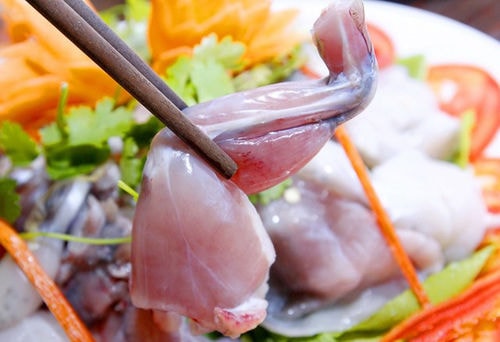 |
Toad meat is beneficial for the elderly, malnourished children, and those with stunted growth or rickets. However, the liver and ovaries can cause poisoning due to the presence of bufotoxine, an extremely toxic substance that can be fatal in a very short time. People poisoned by toad liver and eggs may experience symptoms such as bloating, upper abdominal pain, vomiting, diarrhea, palpitations, and rapid heartbeat.
Without timely treatment, victims may experience cardiovascular collapse, sensory disturbances, dizziness, hallucinations, cold sweats, shortness of breath, respiratory arrest, and cardiac arrest. Therefore, experts strongly advise against eating toad liver and eggs. Furthermore, it is extremely dangerous if these parts come into contact with the toad meat during the butchering process.
Blood cockles
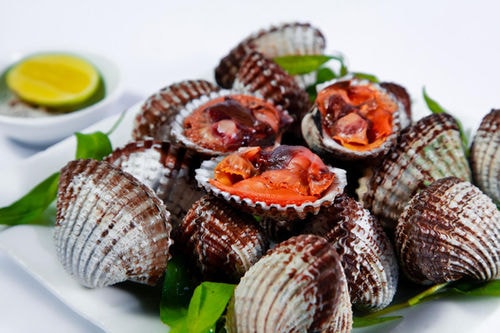 |
Blood clams are a highly nutritious and delicious seafood, but they contain many disease-causing bacteria and viruses. Blood clams carry bacteria that cause hepatitis and typhoid fever.
Carp
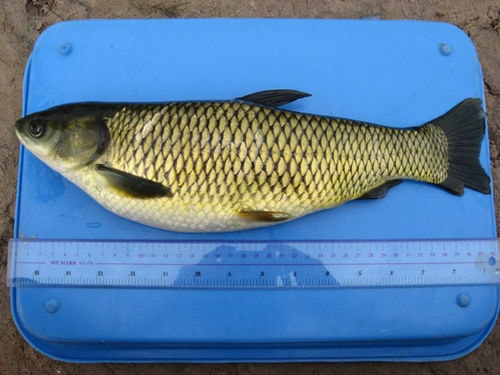 |
Carp meat is delicious and nutritious, making it a popular choice for many housewives to prepare for family meals. However, carp bile is highly toxic because it contains alcohol that causes bleeding and damage to internal organs, especially the renal tubules. The larger the fish, the higher the concentration of toxins.
Not only grass carp, but other types of fish such as common carp, silver carp, and catfish can also cause acute kidney failure, but the most serious is grass carp bile. People who ingest grass carp bile often experience abdominal pain, nausea, vomiting, diarrhea, fatigue, slow reflexes, jaundice, and decreased urination. Therefore, when preparing this type of fish, you need to carefully remove all the bile to protect your health and that of your family.
Starfish
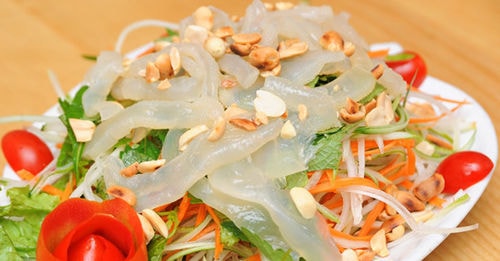 |
Jellyfish are invertebrates that live in the sea or other saltwater environments. Dishes made with jellyfish, such as salads or noodle soups, are delicious. However, eating jellyfish during their breeding season is dangerous because they often accumulate toxins that can cause food poisoning and affect human health.
Live jellyfish contain many toxins, and accidental contact can cause allergic reactions, burning, and stinging. According to health experts, the toxins from jellyfish, when entering the human body, can cause headaches, chest pain, cyanosis, sweating, shortness of breath, nausea, vomiting, abdominal pain and prolonged diarrhea, rapid and weak pulse, and low blood pressure. To ensure safety, jellyfish must be thoroughly processed, soaked three times in saltwater and alum solution to remove all toxins before consumption.
Cloudy goby
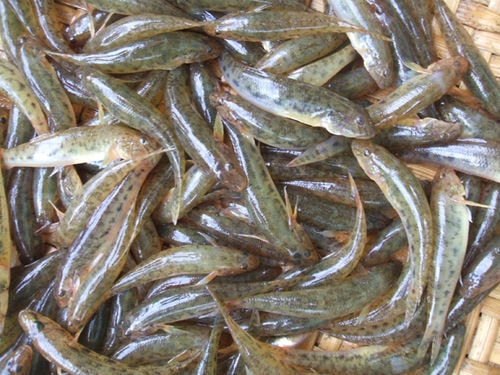 |
In Vietnam, the cloudfish is concentrated in the coastal provinces of Central Vietnam. According to scientists, the cloudfish contains tetrodotoxin, similar to the toxin found in pufferfish. This is one of the substances with a toxicity 275 times stronger than cyanide and 50 times stronger than strychnine. Tetrodotoxin is not broken down at high temperatures. Therefore, even if the cloudfish is thoroughly cooked, people who eat it will still be poisoned.
It's important to distinguish between the spotted goby and the goby we commonly eat to avoid poisoning.
Pufferfish
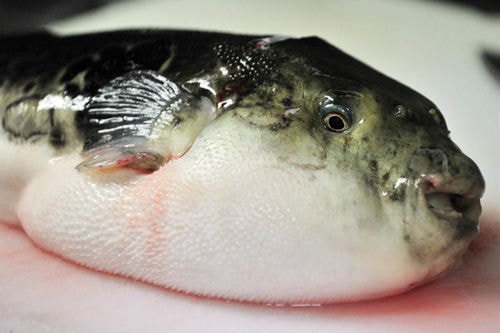 |
Many countries around the world, especially Japan, place great emphasis on guiding people on how to prepare this type of fish. Immediately after catching, consumers must remove the internal organs of the pufferfish, and when eating it, they should avoid dead or spoiled fish.
Pufferfish roe is highly toxic because it contains tetrodotoxin (C11H17O8N3), a highly potent neurotoxin that can be fatal. Importantly, tetrodotoxin is water-soluble and not destroyed by heat; cooking, drying, or other methods of processing do not eliminate the toxin.
According to Ngoisao.net
| RELATED NEWS |
|---|


