Fruits are very good for your health. However, many habits when eating fruit can be harmful to your body.
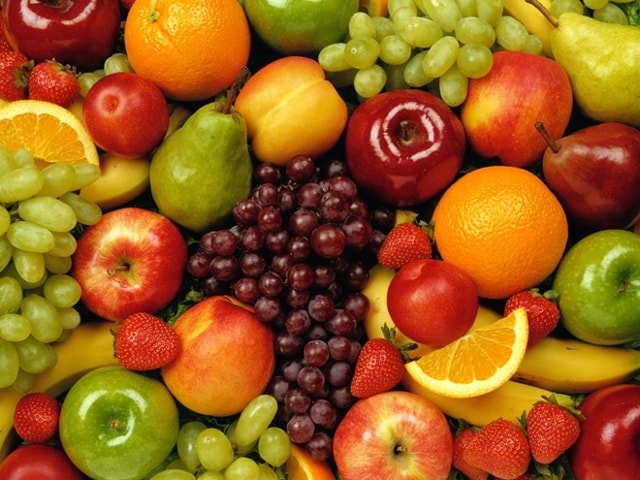 |
| Not all fruits are created equal: According to Prevention, not all fruits contain the same amount of vitamins, minerals, starch, sugar, and fiber. Dr. Barry Sears, author of "The Mediterranean Zone," says the best fruits are those with the highest polyphenols and the lowest glycemic index. Dark-colored fruits, like black grapes, contain more antioxidants and less sugar than lighter-colored ones, like bananas or watermelon. |
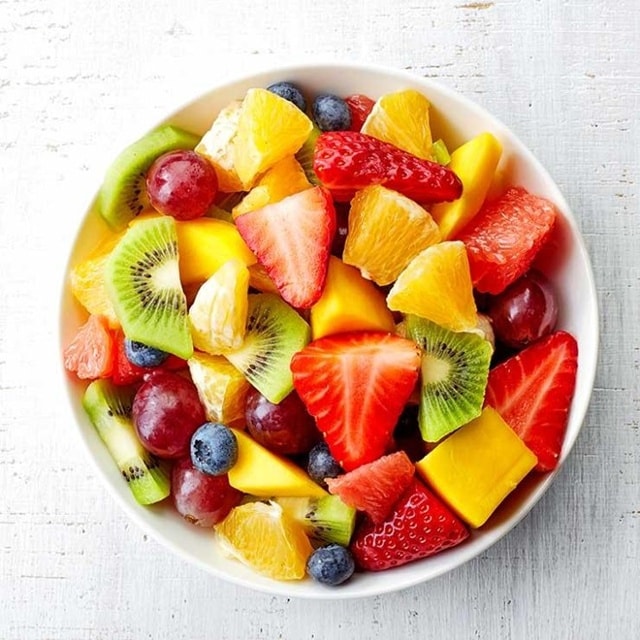 |
| Eating too much fruit: Some people believe that eating lots of fruit and vegetables helps with weight loss, however, Dr. Sears doesn't think that's a smart approach. Fruits are typically sweet and delicious due to their high glycemic index, causing blood sugar and calorie levels to spike. The U.S. Department of Agriculture recommends that adults eat only about two cups of fruit per day, depending on age and activity level, and that they choose smaller-sized fruits. |
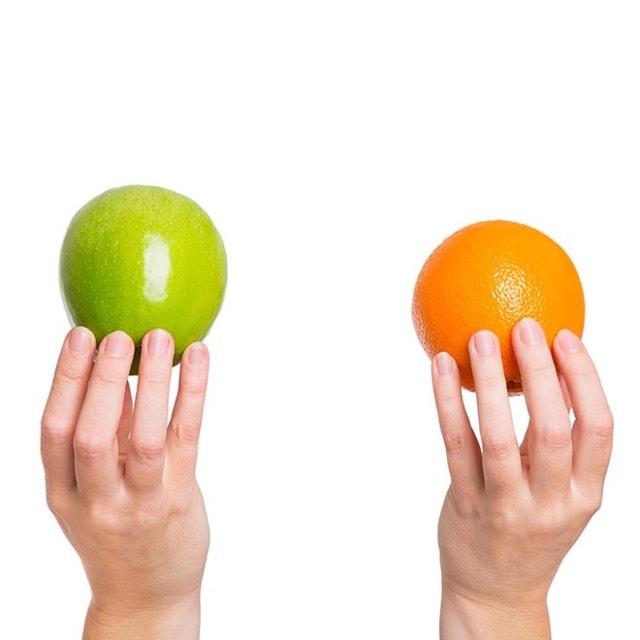 |
| Choosing the wrong fruit: Selecting the right fruit to eat when hungry is also very important. Typically, a large apple has 120 calories, a small apple only has 53 calories, while a large orange has the same number of calories as a small apple. When hungry, it's easy to assume all fruits are the same and forget to compare their nutritional content. |
 |
| Eat fruit separately: While natural fruit may be better than candy, it can still raise blood sugar levels. Try eating it with protein-rich foods like cheese or butter. Fruit will increase insulin levels, while protein increases the hormone glucagon. The combination of these two hormones helps stabilize blood sugar. |
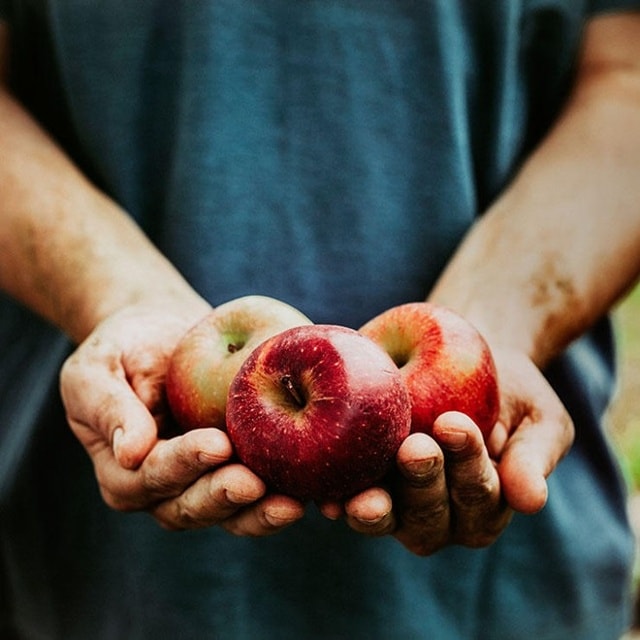 |
| Don't skip buying organic fruit: Organic fruit is often more expensive, but it contains fewer pesticides and preservatives. Eating fruit that is grown and preserved naturally will help you limit your exposure to pesticides while providing your body with adequate nutrition. |
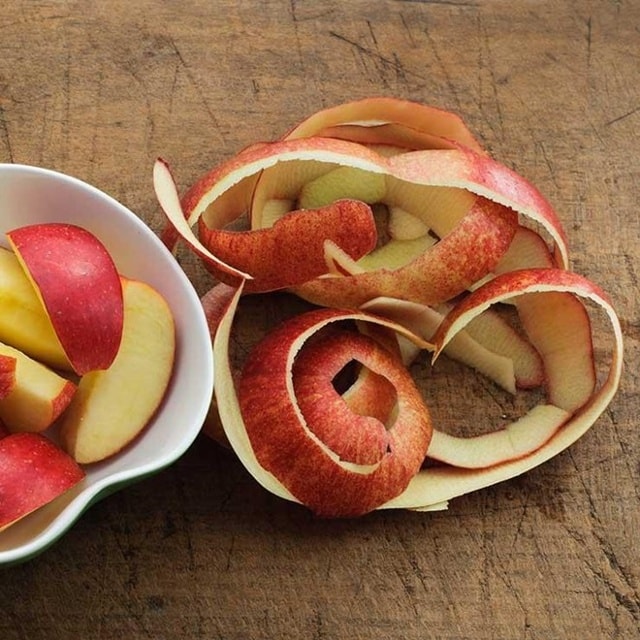 |
| Don't eat the peel: Fruit peels are often the most nutritious part, packed with vitamins and antioxidants. For example, apple peels are rich in fiber, vitamin C, and vitamin A. Many studies show that eating fruit peels is also key to reducing the risk of obesity and controlling cancer. |
 |
| Drinking only juice: Fruit juice lacks fiber, slowing down the release of glucose into the bloodstream. Therefore, it's better to eat the fruit or (occasionally) consume smoothies instead of juice. |
According to Zing.vn



