
70 years of preserving the "soul of the nation"
There are places that are not only marked by their geographical names, but also anchored in the national consciousness as sacred lands that every Vietnamese person seeks to return to. Kim Lien is one such place...
Content:Khanh Nhu/Present:Hong ToaiMay 19, 2026
*****
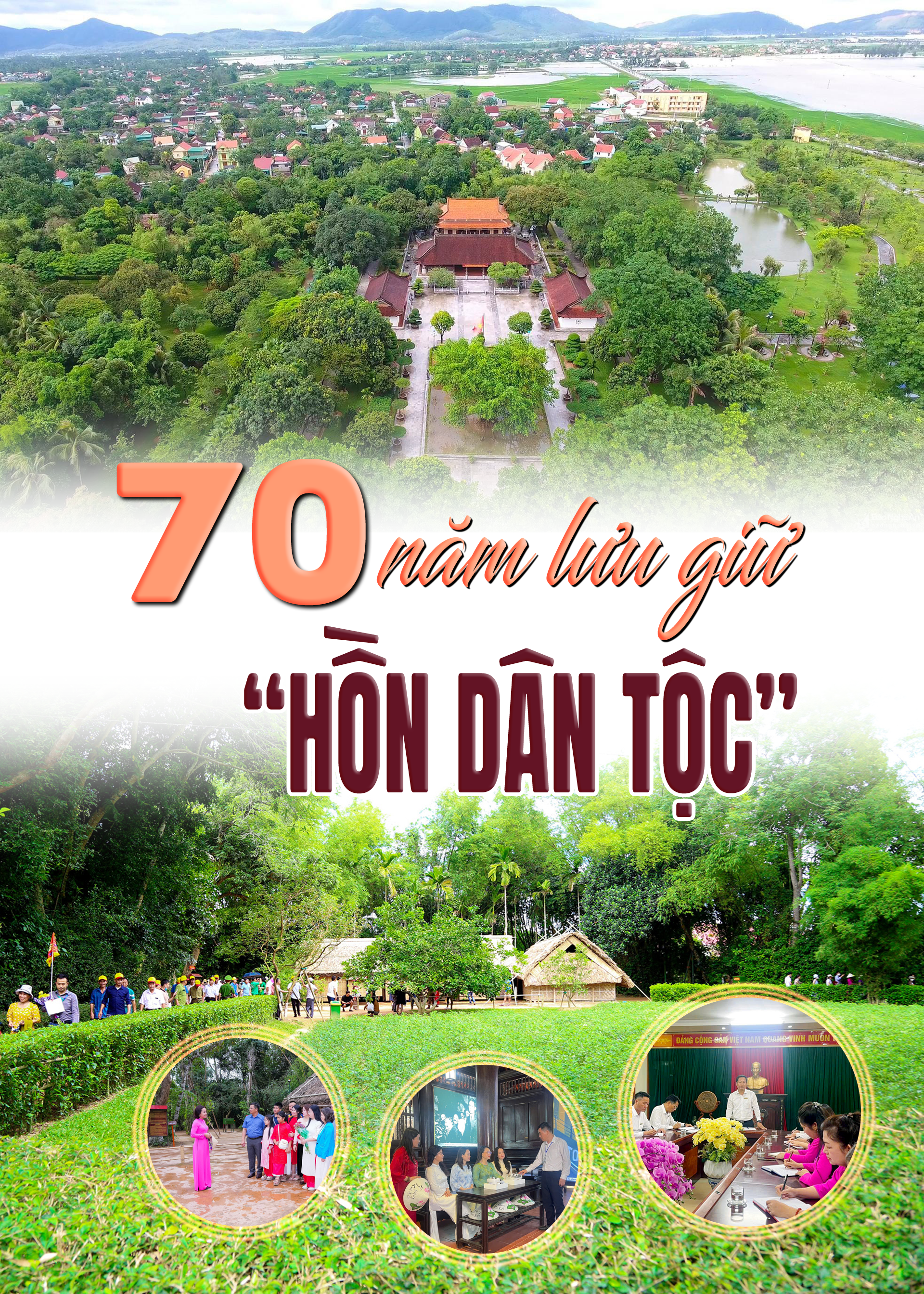
There are places that are not only marked by geographical names, but also anchored in the national consciousness as sacred lands for every Vietnamese person to return to. Kim Lien is one such place. It is home to simple thatched houses, rows of betel nut trees, wells, ancient banyan trees, and familiar small paths of the Nghe An countryside; the birthplace and nurturing ground of President Ho Chi Minh – the beloved leader of the Vietnamese nation and an outstanding cultural figure of humanity. But to preserve those thatched houses, those relics, those sacred stories intact through the years lies the persistent, silent, and dedicated journey of many generations of staff and employees of the Kim Lien Historical Site over the past 70 years.

Seventy years ago, in 1956, the Party and State decided to restore the relics related to President Ho Chi Minh in his hometown. This was a decision of special significance, reflecting the profound affection of the Party, State, and people for the origins that gave birth to this great man. In the early days, conditions were extremely difficult, and the protection and preservation of the relics relied mainly on the dedication of the local government of the former Nam Lien commune and the people of the Nguyen Sinh and Hoang Xuan families. They took turns looking after and preserving each house, each artifact, and each familiar trace associated with the homeland, family, and childhood of President Ho Chi Minh.
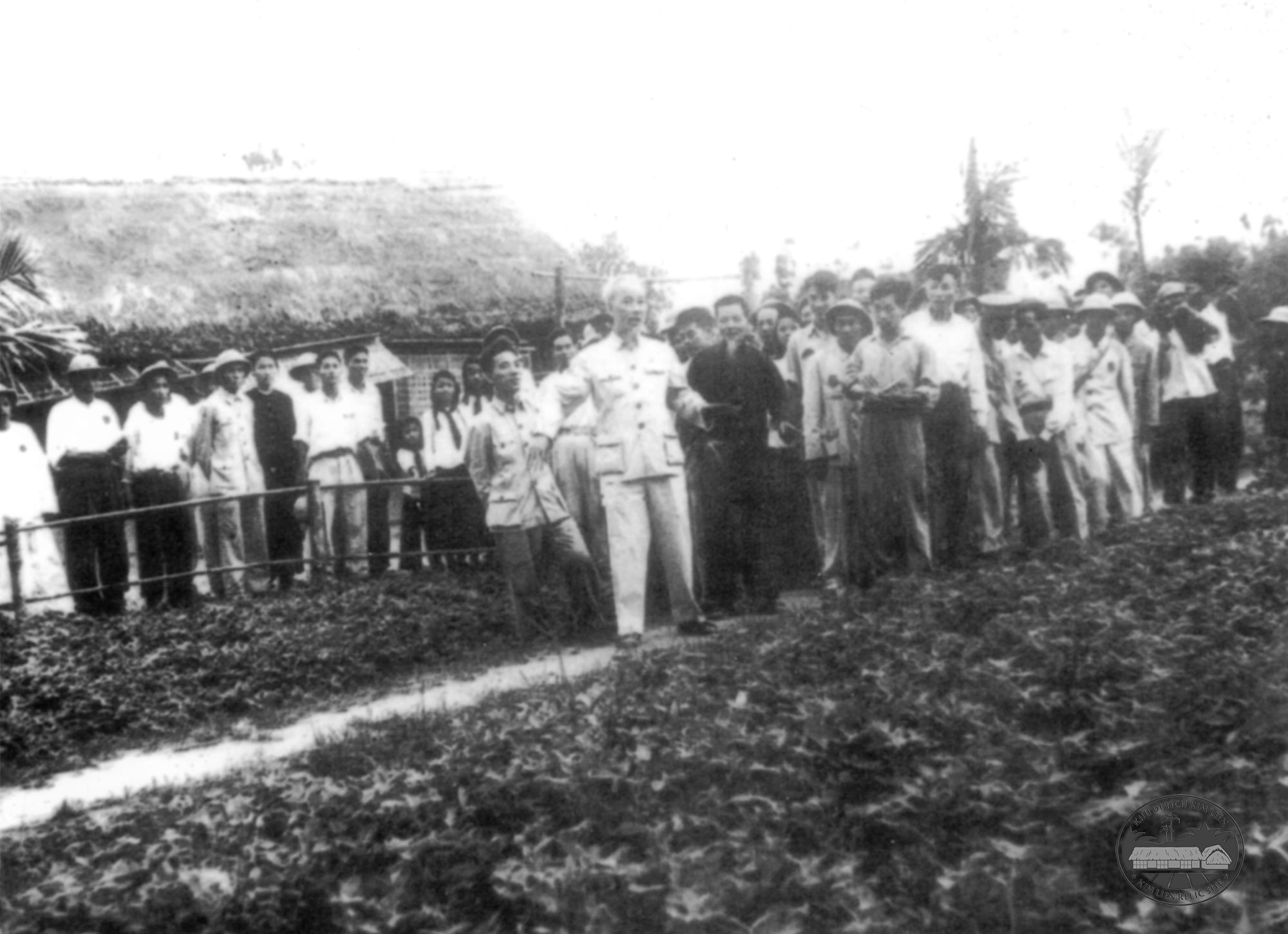
In 1970, amidst the fierce years of war, the decision was made to build the Kim Lien Museum. This was the first museum dedicated to President Ho Chi Minh in the entire country. Under the bombs and bullets, those working in preservation here not only protected the historical site and shielded the artifacts, but also faced countless hardships of wartime. Above all, they shared a common belief and responsibility: to preserve the most sacred aspects of President Ho Chi Minh's homeland, which are also the invaluable spiritual values of the nation.
From those initial foundations, the Kim Lien Historical Site has been gradually improved and developed. In 1983, the People's Committee of the former Nghe Tinh province renamed it the Kim Lien Historical Memorial Site dedicated to President Ho Chi Minh, marking a period when the unit's functions and tasks were established in a more systematic and clear manner. Besides welcoming visiting delegations for sightseeing and learning, the site's staff also diligently collected, compiled, and preserved valuable documents and artifacts about President Ho Chi Minh. In May 2012, the Kim Lien Historical Site was recognized by the Prime Minister as a Special National Monument. From the thatched house where President Ho Chi Minh lived, this place has become a focal point of affection for people nationwide and international friends when learning about President Ho Chi Minh.
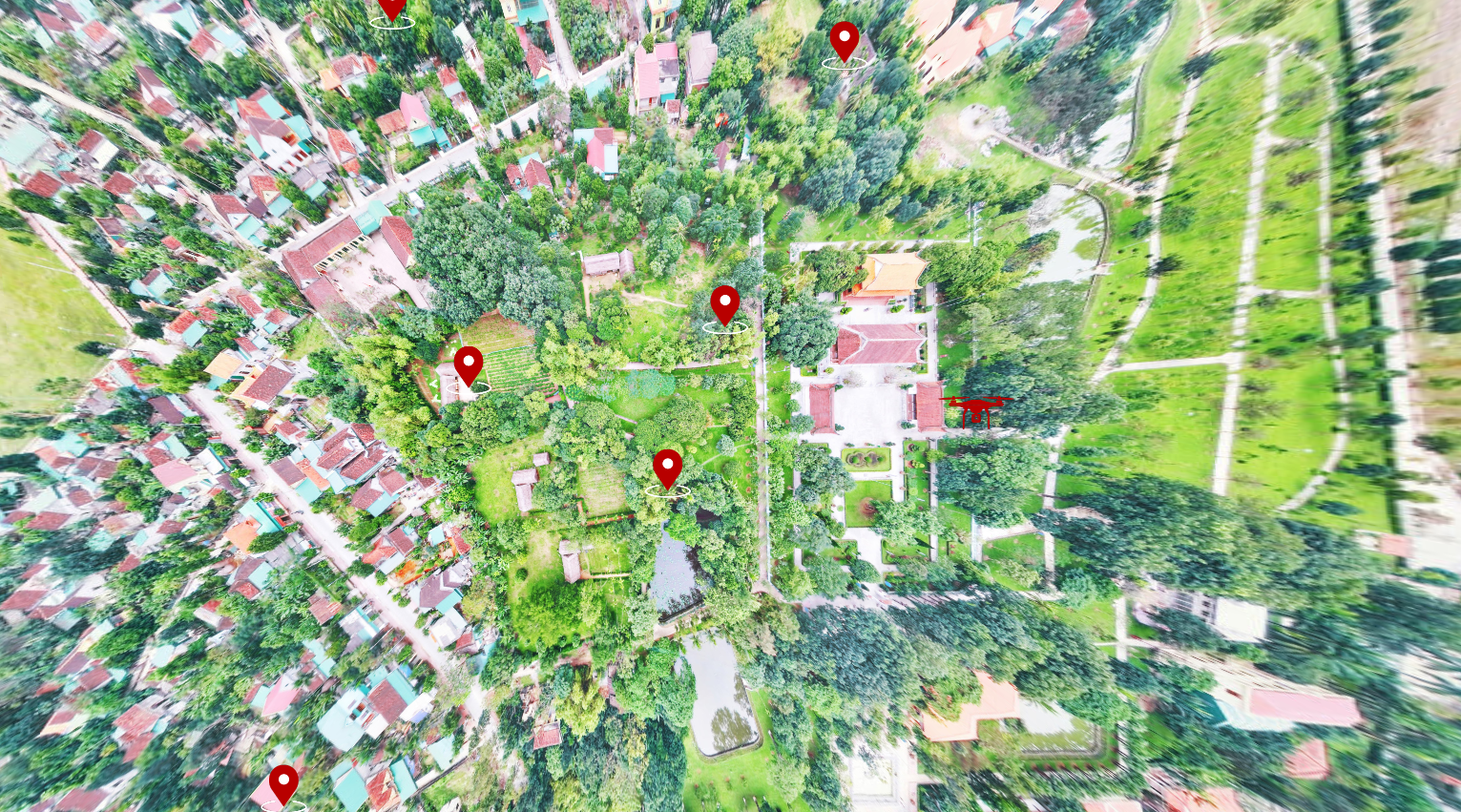
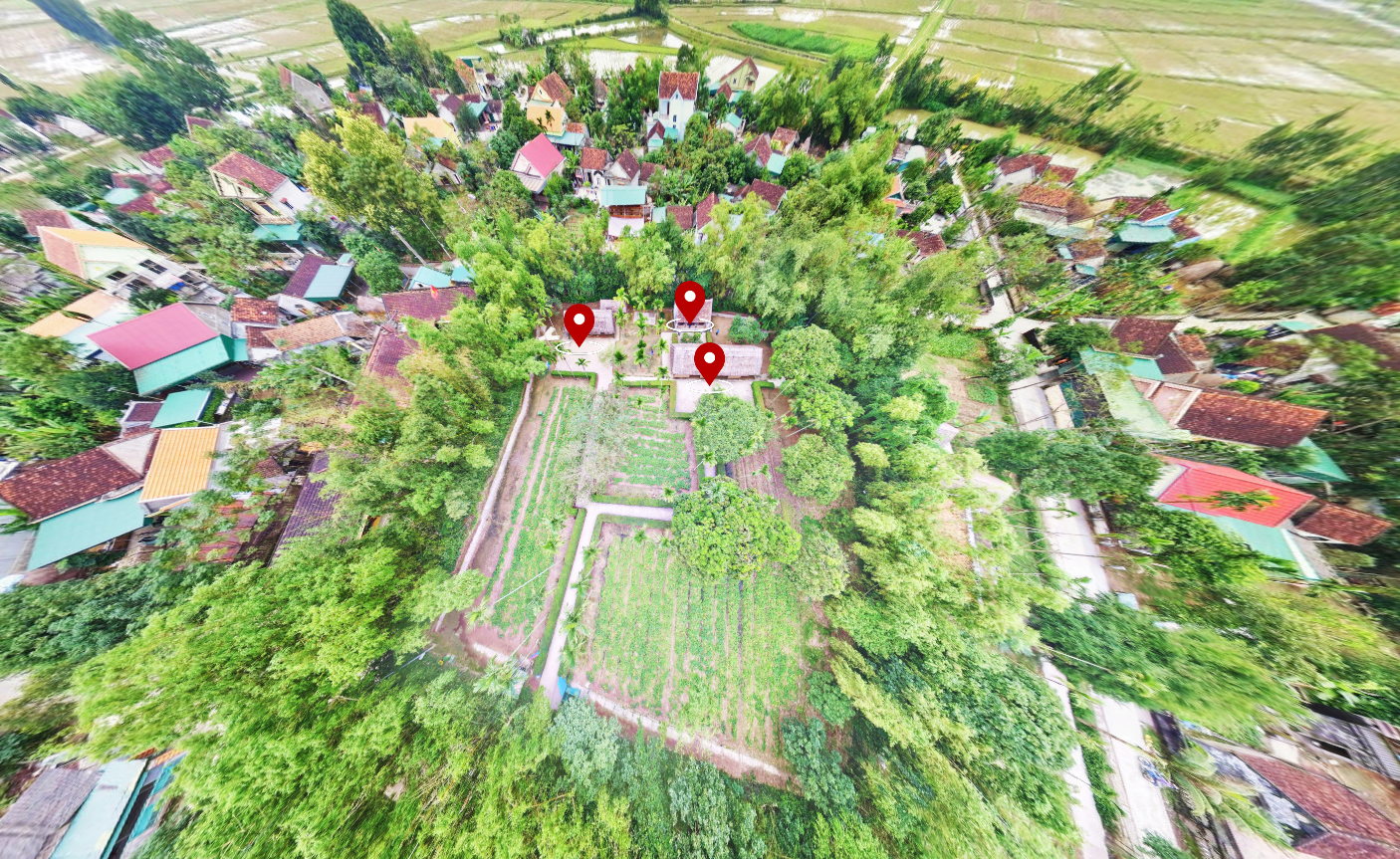
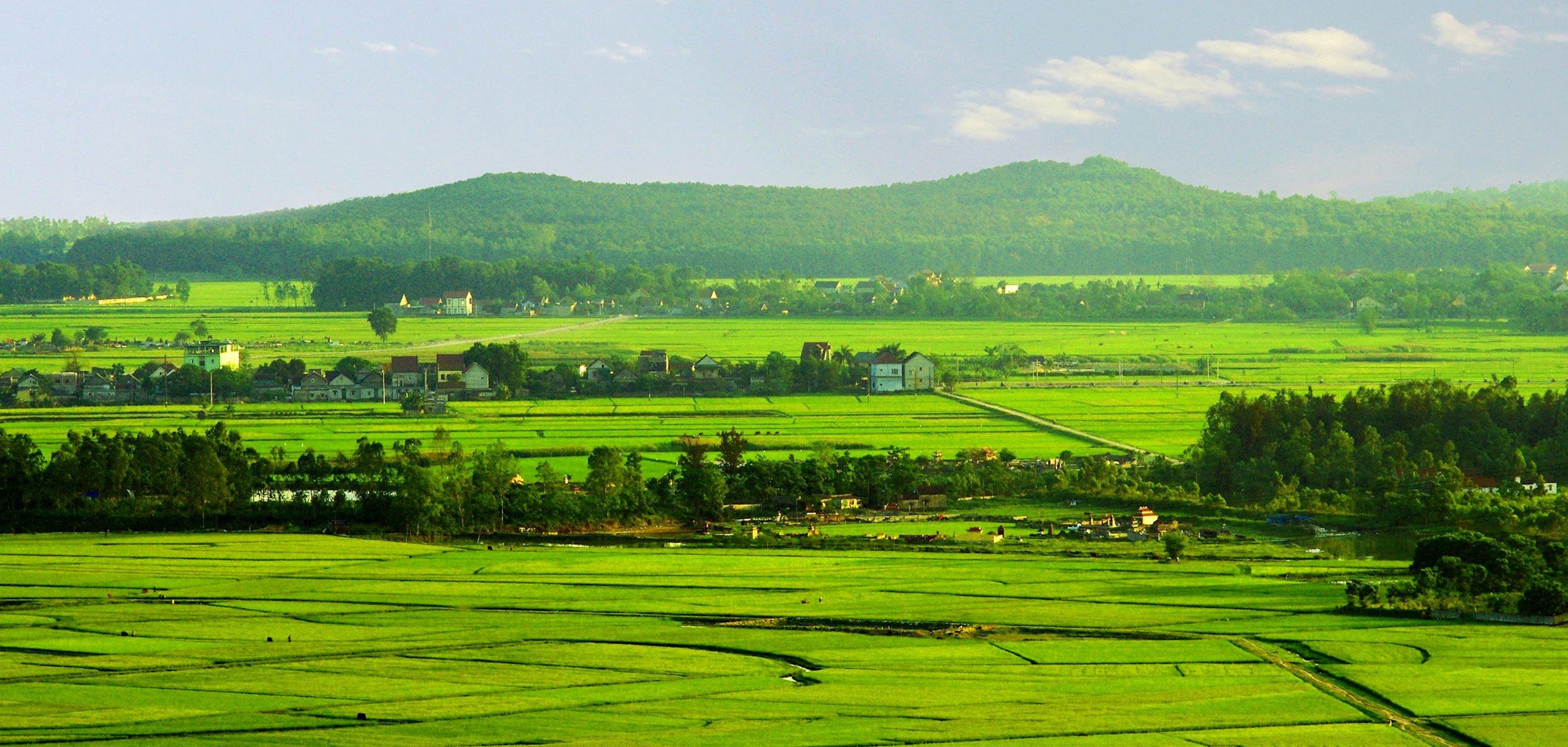

Currently, the Kim Lien Historical Site has over 70 staff members and workers, managing 9 original historical sites; 1 memorial to Mrs. Hoang Thi Loan; 6 neighboring households of President Ho Chi Minh within the cultural space of Lang Sen and Lang Hoang Tru villages; 1 memorial house for President Ho Chi Minh; and 3 additional exhibition houses. Behind these numbers lies a large volume of work, requiring careful attention, understanding, responsibility, and a deep love for the heritage.
.png)
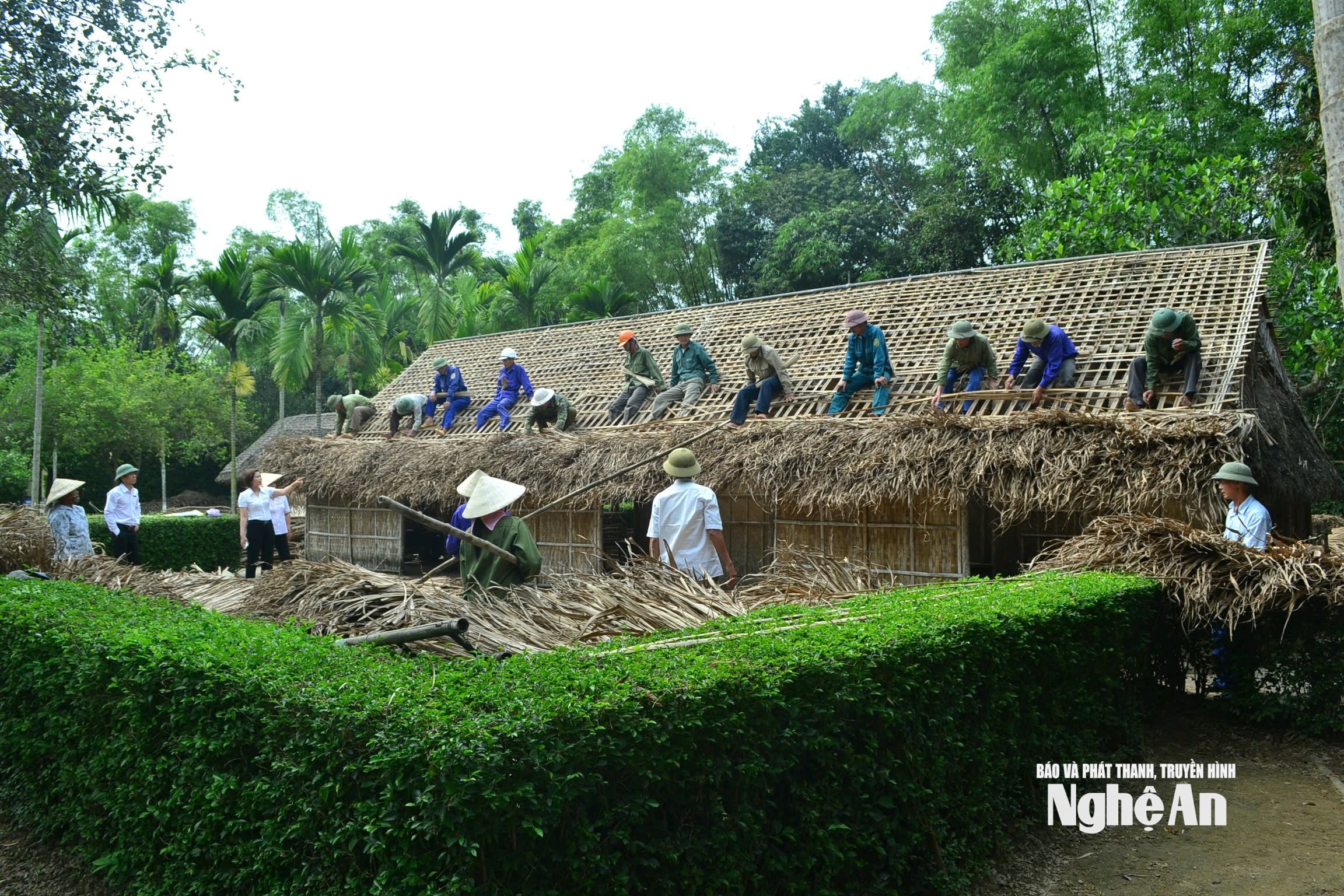
The work of the staff at the historical site is not noisy or easily seen by visitors during a single visit. It involves preserving each artifact, caring for each thatched roof, maintaining each pathway, row of trees, and landscape. Through the harsh heat of Central Vietnam, the rainy seasons, and natural disasters, the staff silently inspect, reinforce, and protect the site. In particular, repairing and re-roofing the thatched houses, preserving their original appearance, is a task both simple and sacred. Because even a small oversight could destroy the rustic, authentic charm that is the soul of the site.
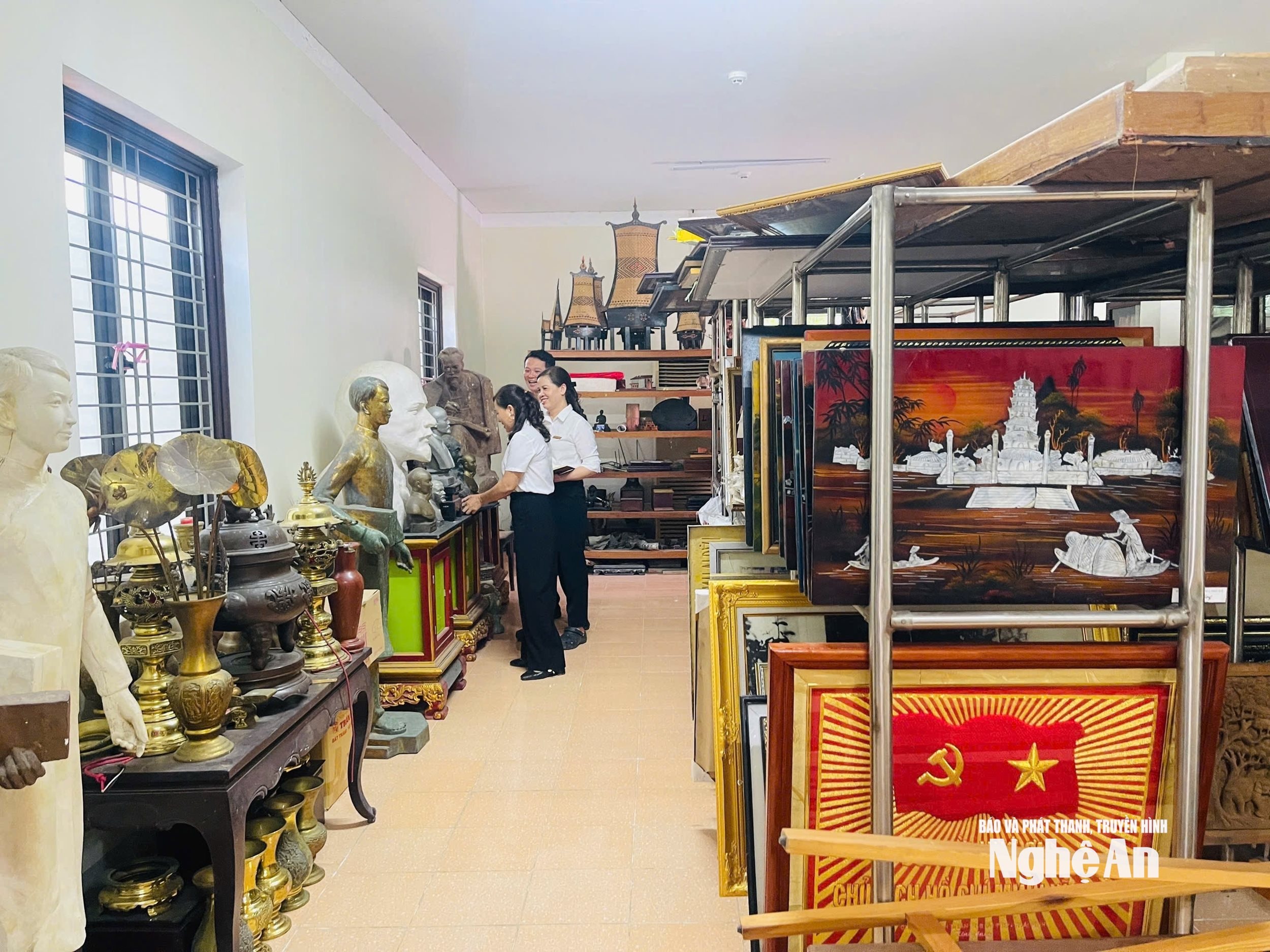
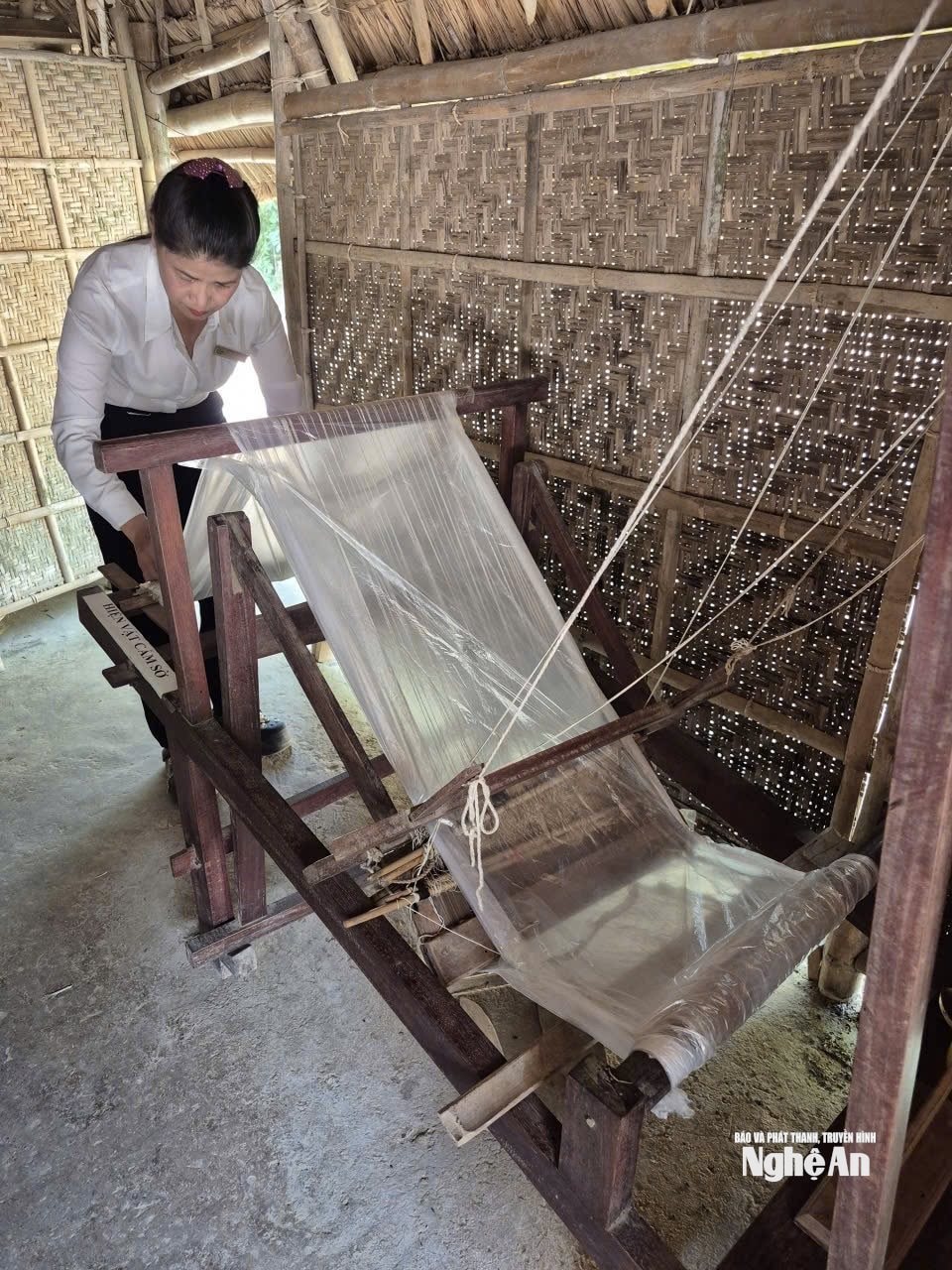
Over those 70 years, countless generations of staff and employees have chosen to sacrifice their personal pleasures, especially during holidays and festivals – the times when the crowds flocking to Kim Lien are at their busiest. While many families are reuniting, they remain present at the historical site to welcome, guide, and ensure the safety of visitors, taking care of even the smallest details so that everyone visiting President Ho Chi Minh's birthplace can experience a clean, beautiful, solemn, and welcoming environment. It is these unnamed tasks that have contributed to the appearance, vitality, and cultural depth of the Kim Lien Historical Site today.
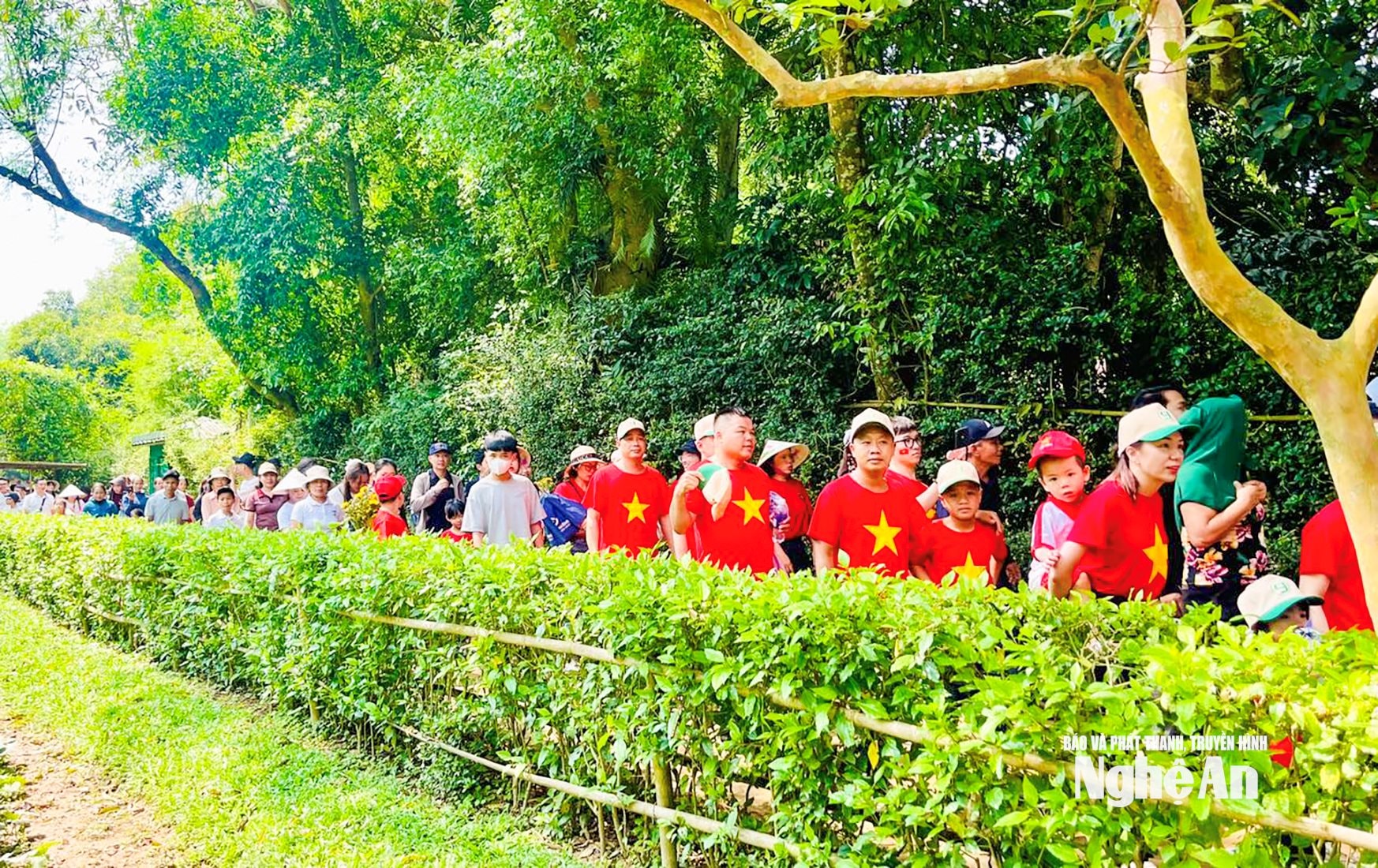
Not only have the staff here preserved the relics, but they have also done a good job of promoting their value. The relic site has preserved and displayed 290 artifacts, nearly 100 original artifacts; at the same time, it stores 42 categories with nearly 4,000 artifacts in storage. This is the result of years of collecting, inventorying, preserving, and researching, contributing to enriching the valuable source of information about Ho Chi Minh's homeland, family, childhood, and personality.

One of the most distinctive features of the Kim Lien Historical Site is its work in promoting and educating about its traditions. It's not just a tourist attraction; it has long been considered a "great school." There, lessons about President Ho Chi Minh are not dry and confined to textbooks, but are conveyed through the rural setting, through artifacts, through stories, and through the simple yet profound explanations of the Nghe An dialect.
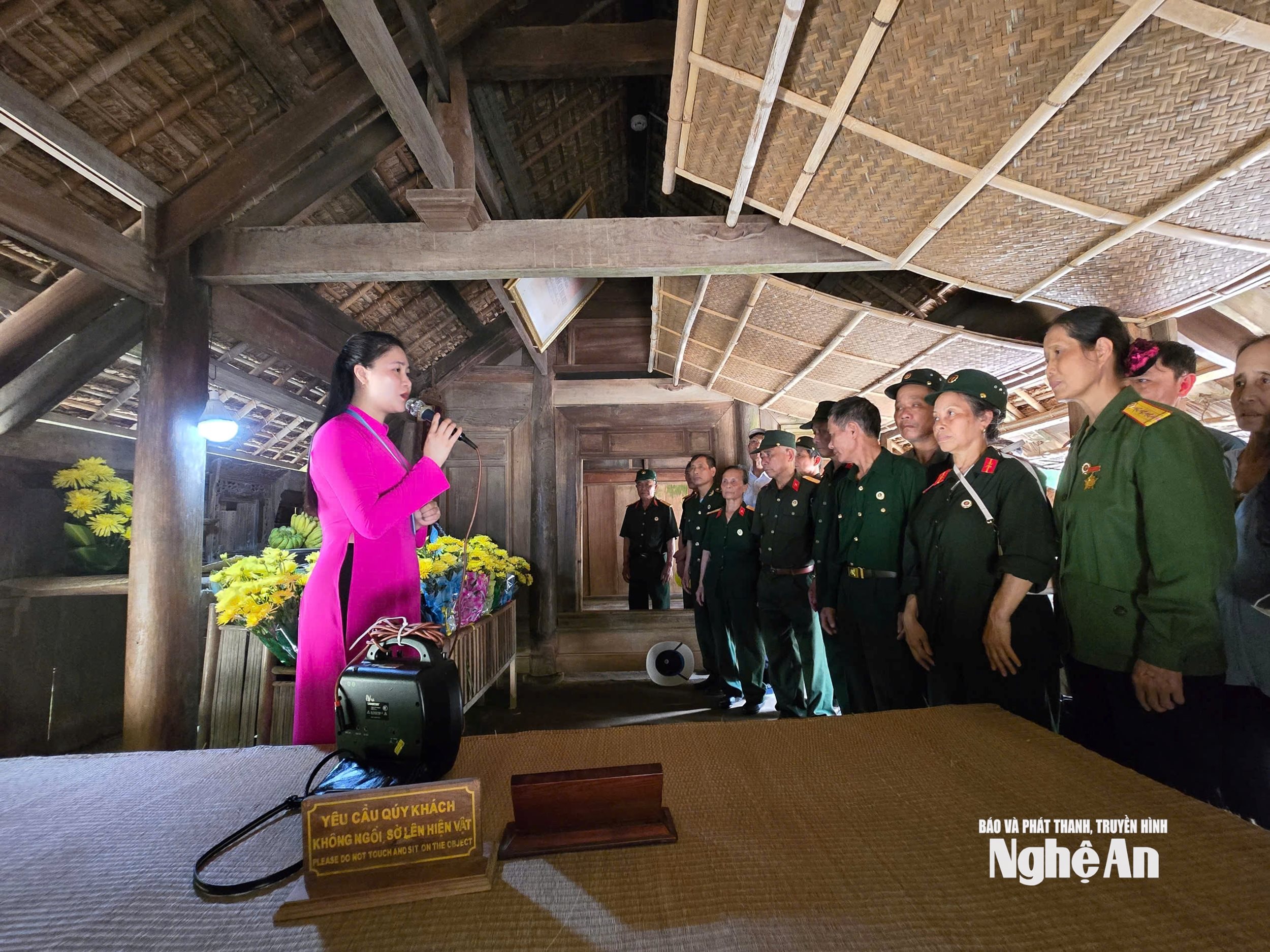
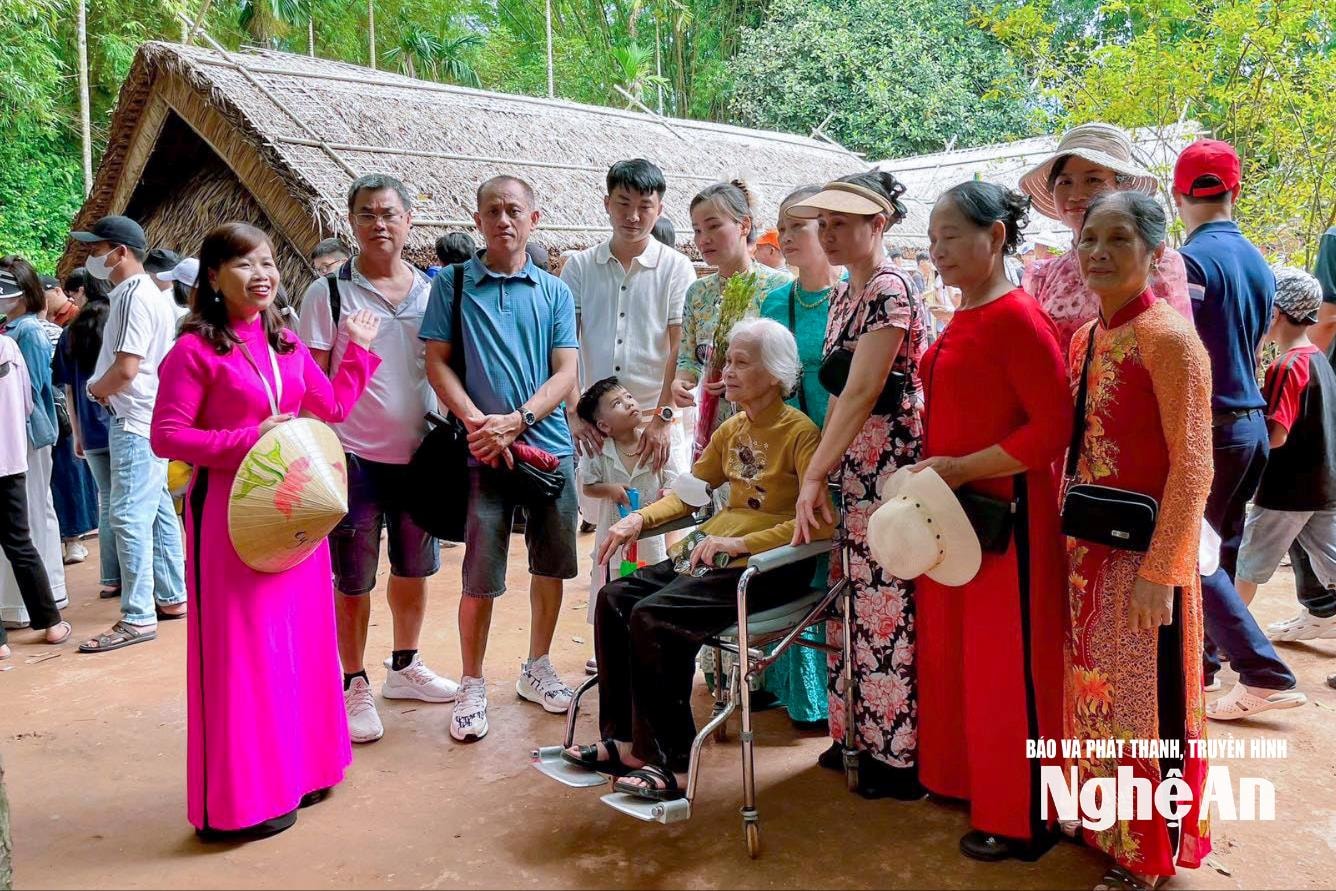
For the past 70 years, the voices of the tour guides at the Kim Lien Historical Site have regularly echoed daily, telling people across the country and international friends about the homeland, family, and childhood of President Ho Chi Minh. Each story is not only historical information, but also emotion, responsibility, and a mission to be passed on. Therefore, many visitors who come here not only "listen to the explanations," but truly pause, are moved, and reflect on themselves in the face of the simple yet great life of the President.
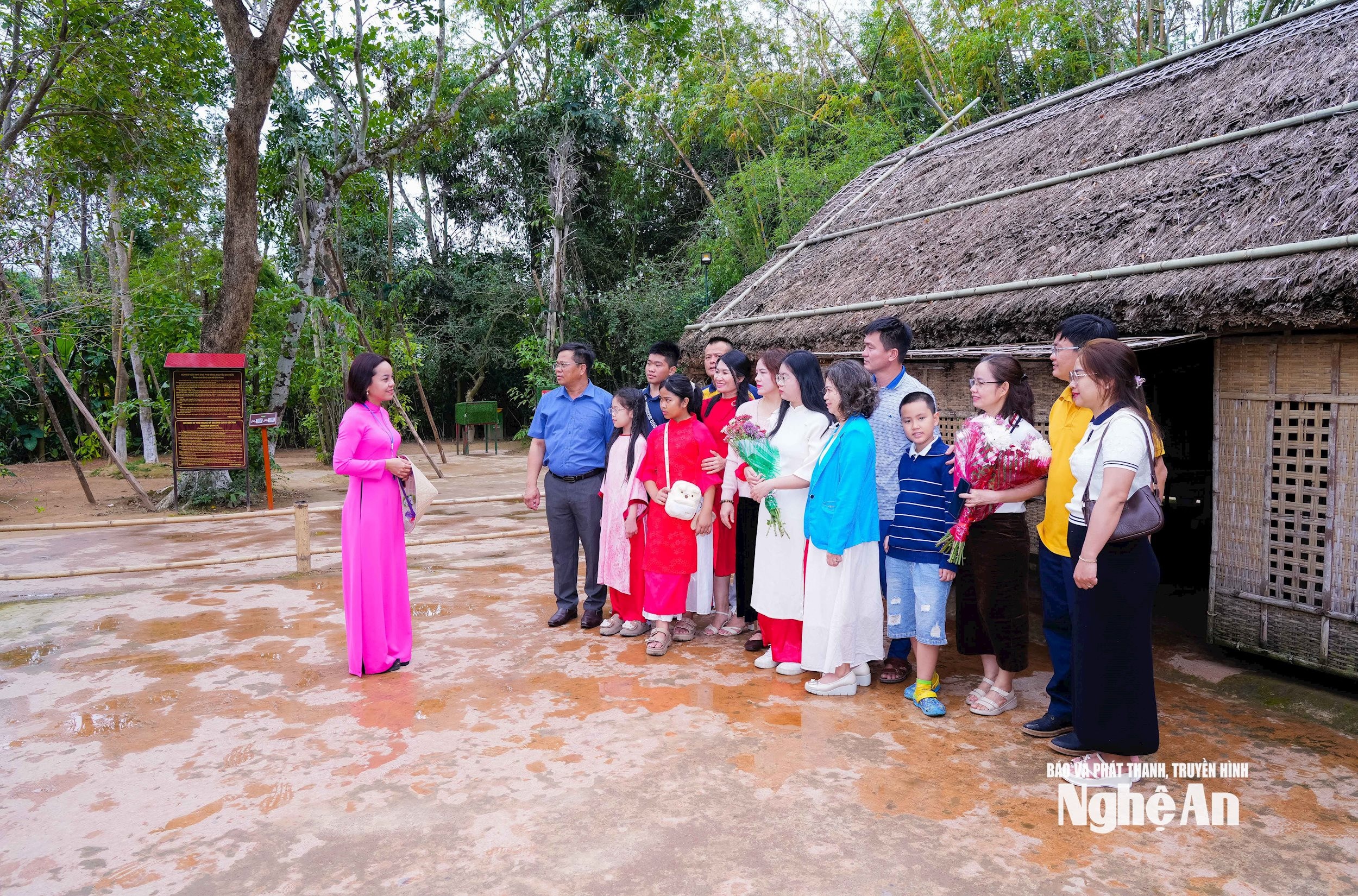
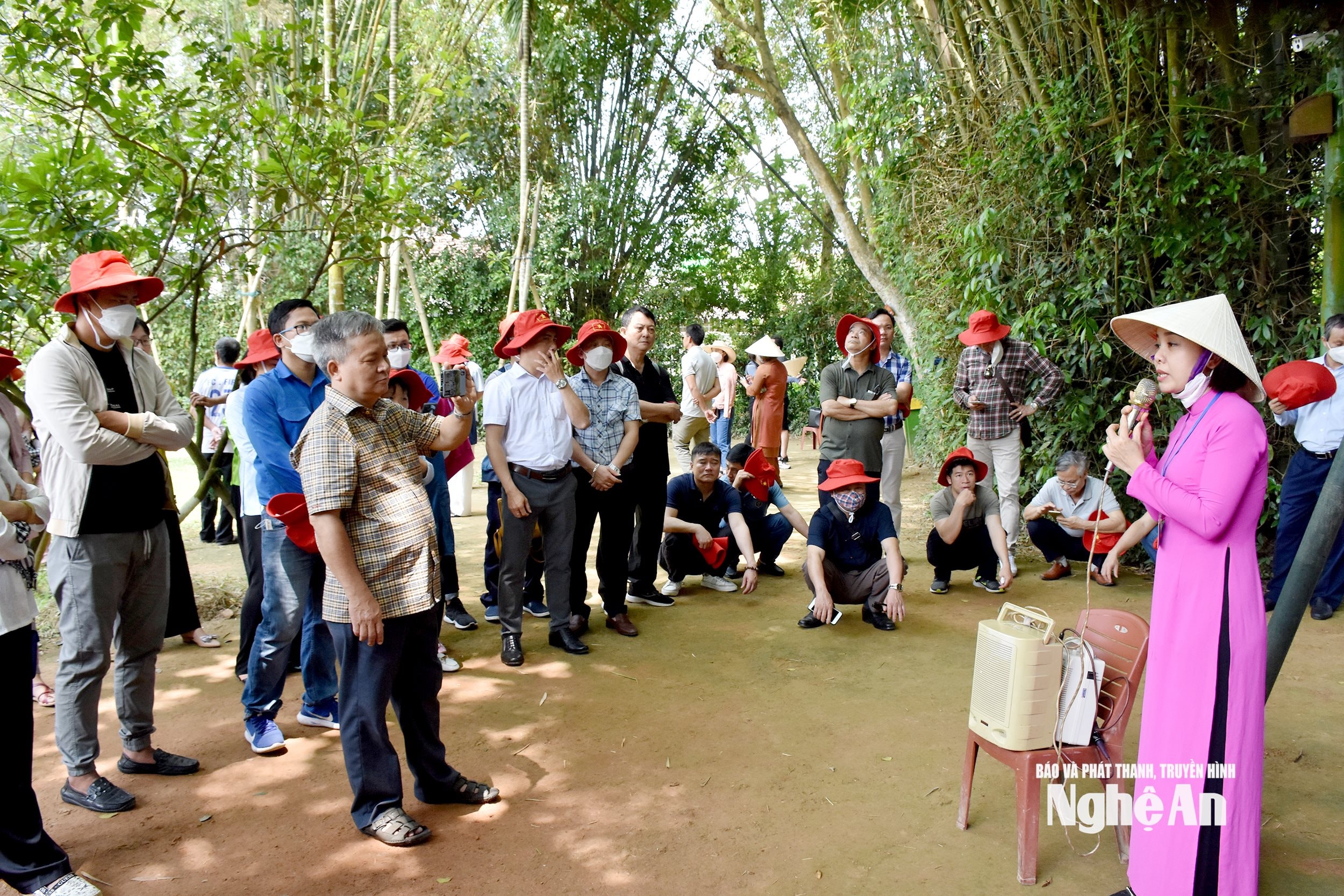
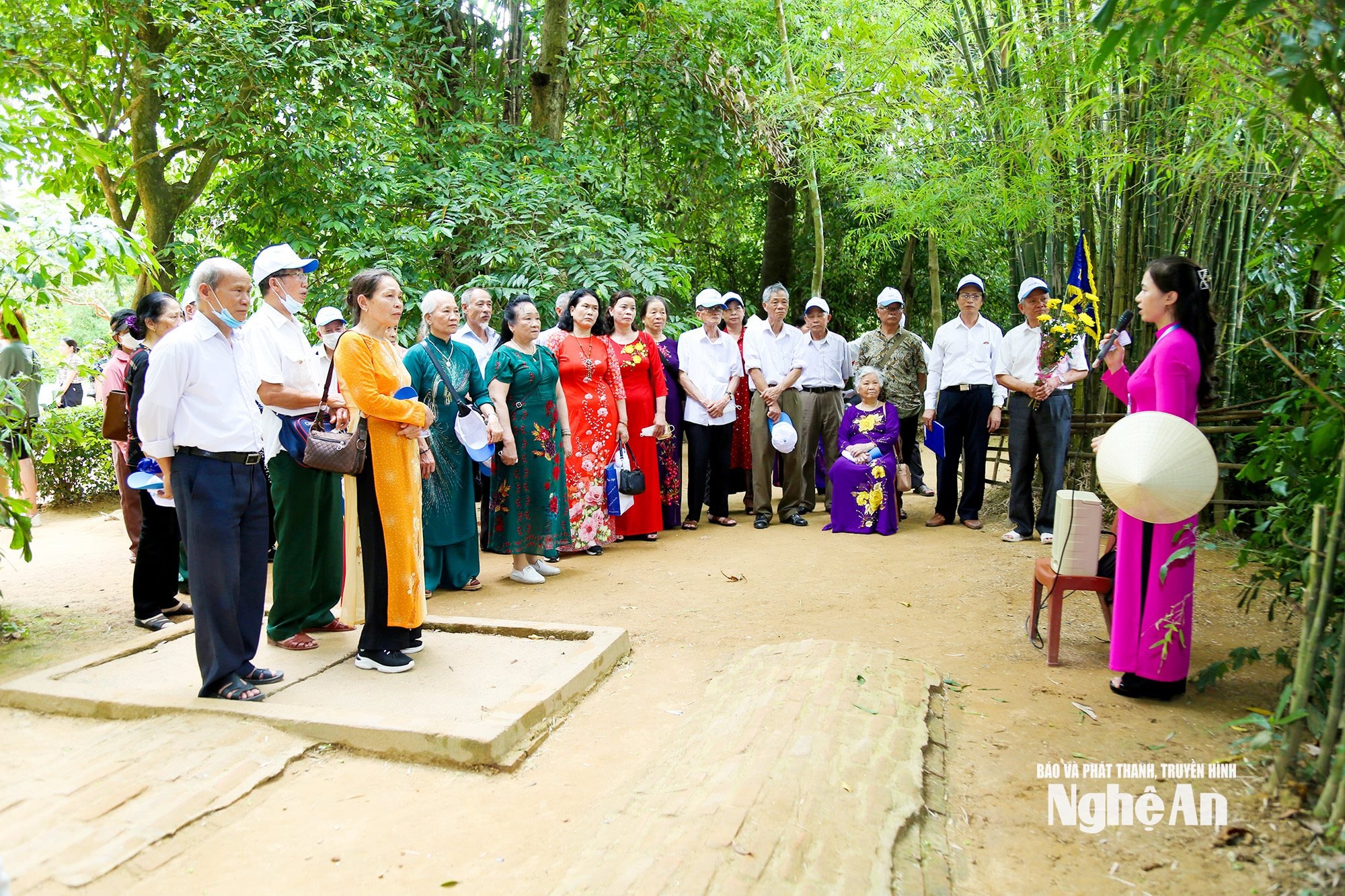
In recent years, the Kim Lien Historical Site has continued to strongly innovate its methods of communication. The site organizes thematic talks, live and online exhibitions about the life and career of President Ho Chi Minh; and strengthens training to improve the professional skills and foreign language proficiency of its tour guides to serve international visitors and diplomatic delegations.
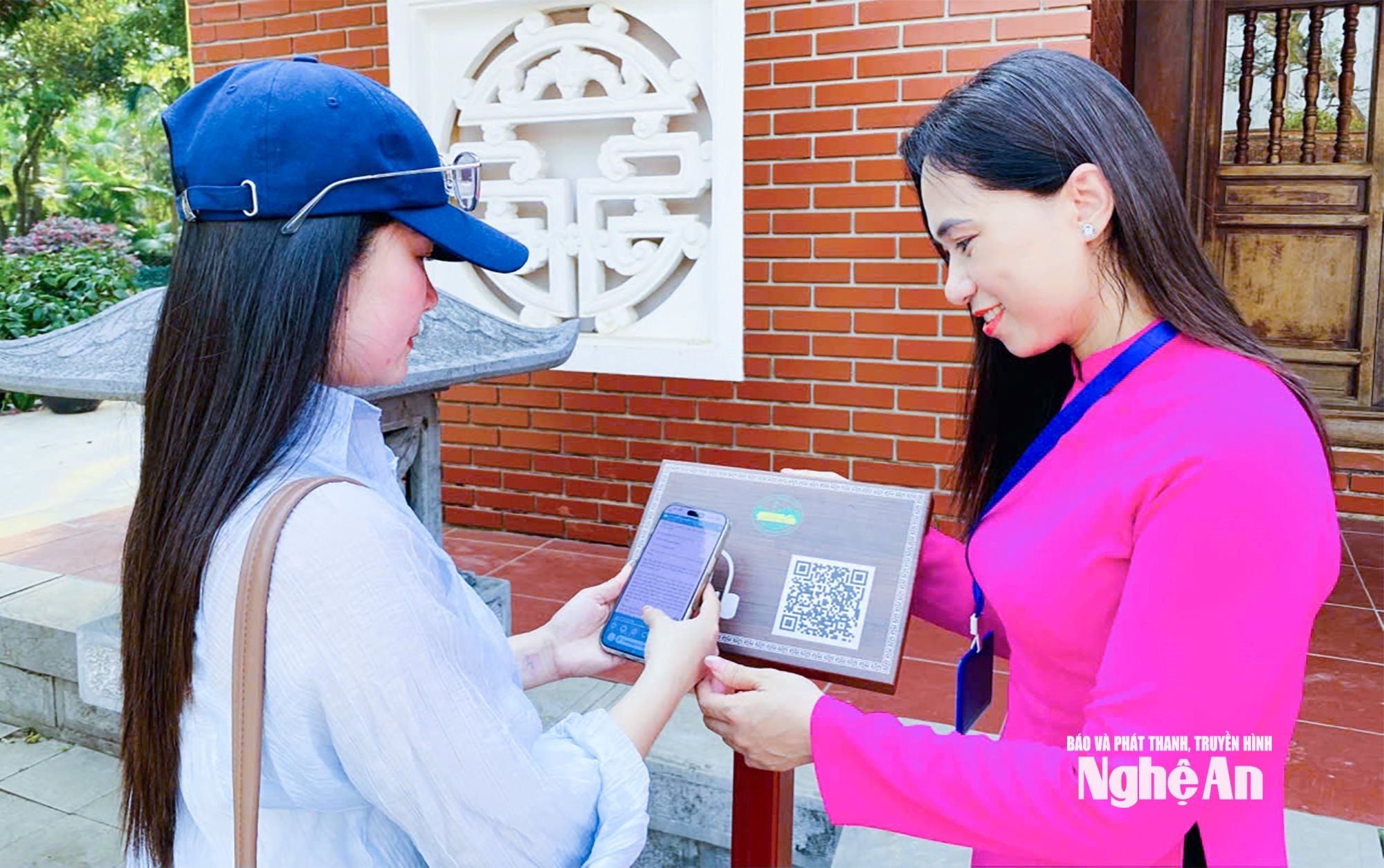
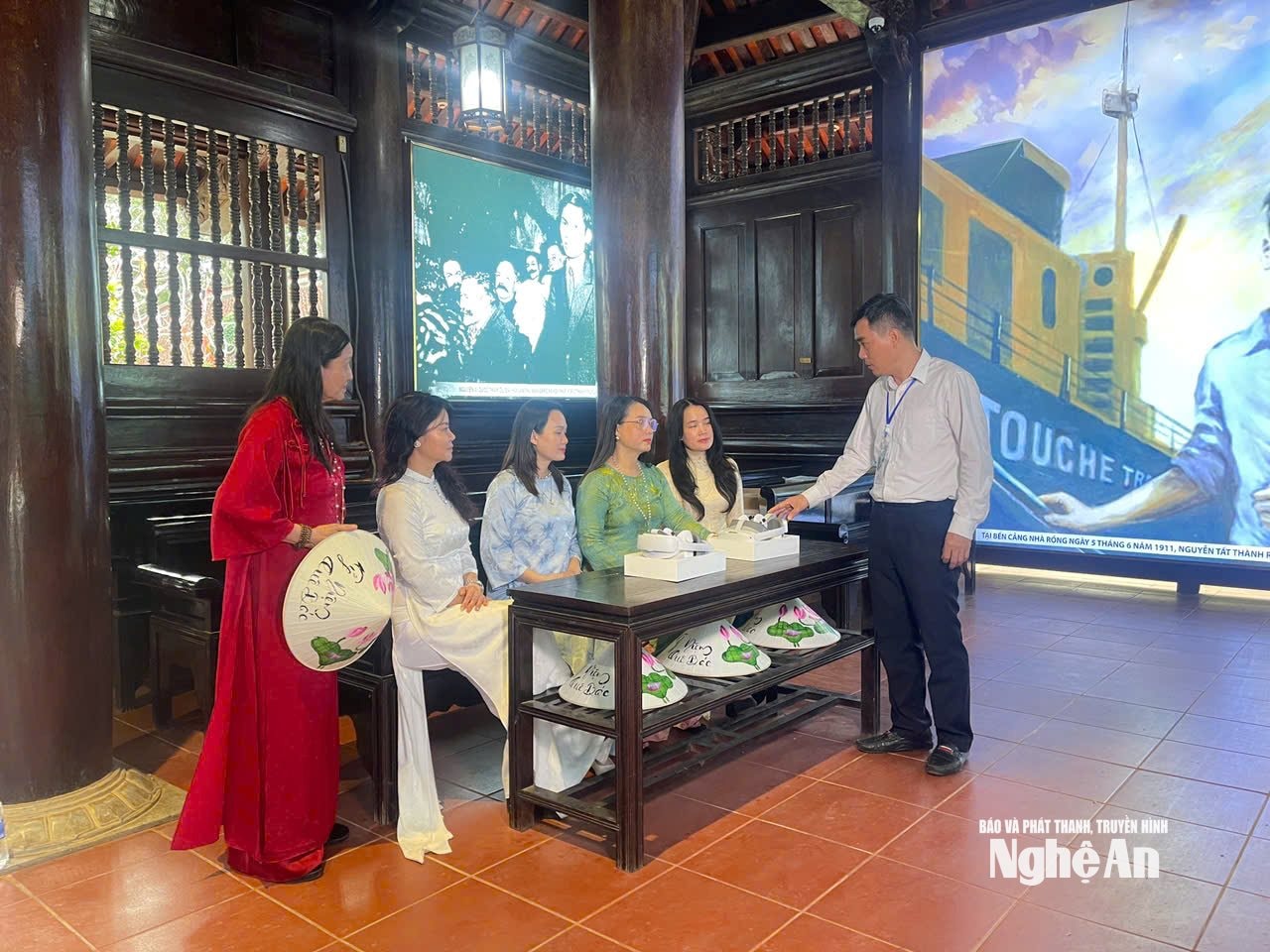
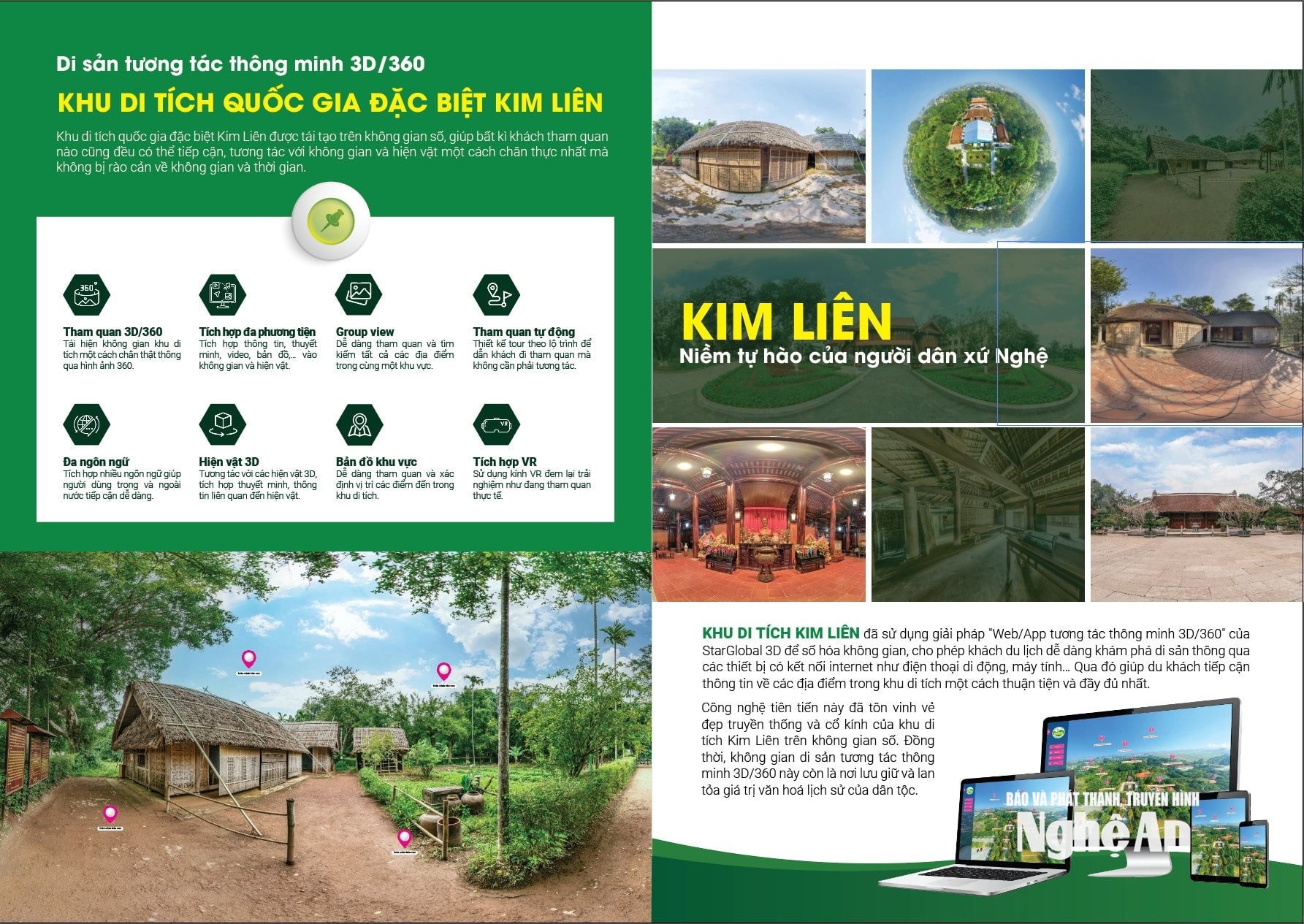
Furthermore, the application of information technology, the digitization of documents, and the creation of databases for research and 3D virtual reality experiences have opened up new approaches, helping to spread the value of historical sites more widely and closer to the younger generation.
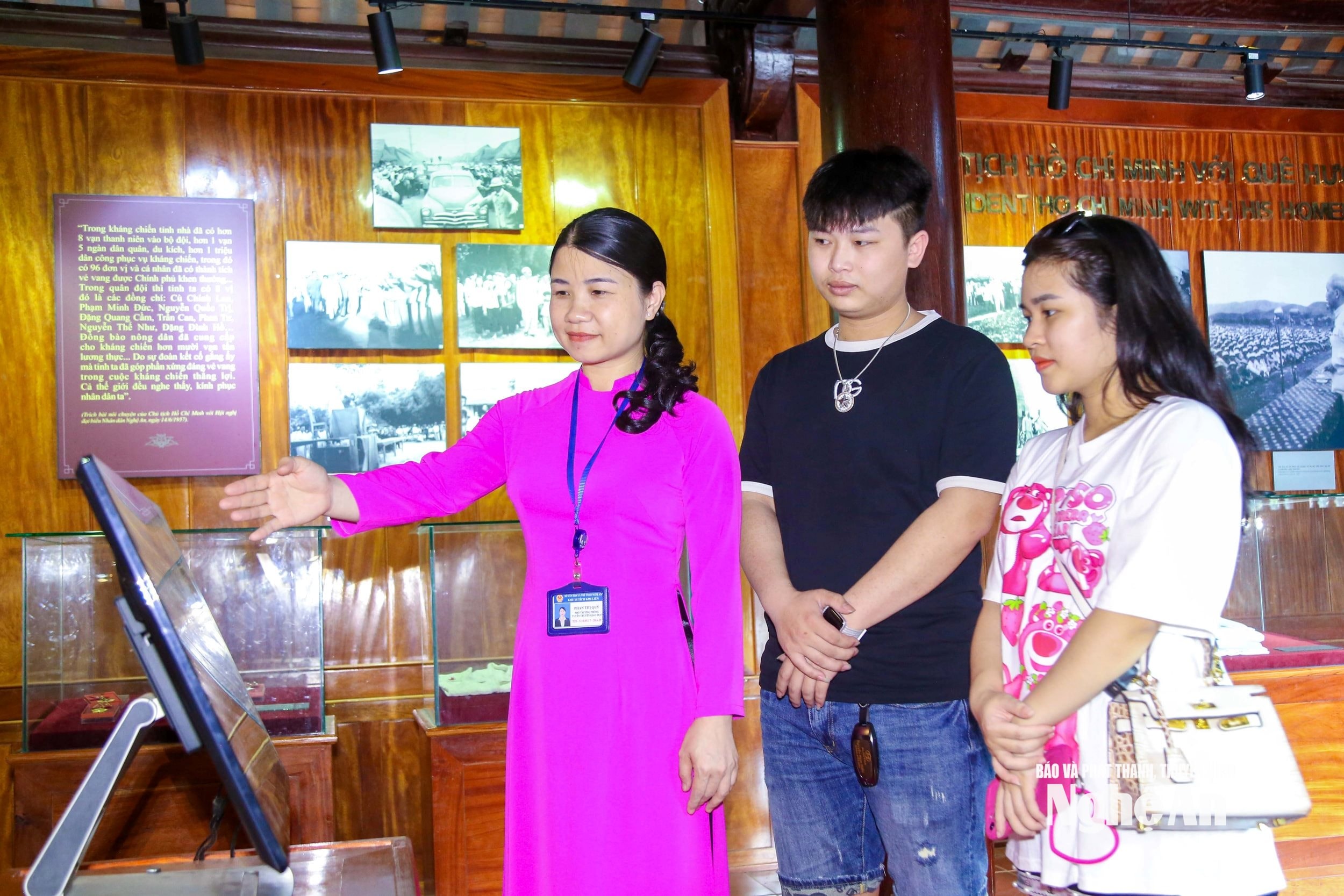
It is precisely because of this dedication that the Kim Lien Historical Site has become a special landmark in the journey of national people returning to their roots. By the end of 2025, it had welcomed and served more than 50 million visitors, including over 77,000 international visitors from more than 67 countries; and organized commemorative ceremonies for President Ho Chi Minh for more than 10,000 delegations. Behind these impressive numbers are countless days of silent dedication from those working at the historical site: providing thoughtful reception, offering attentive guidance, and ensuring the safety of every artifact, every space, and every commemorative ceremony.
These silent contributions have been recognized by the Party, the State, and all levels and sectors. The Kim Lien Historical Site is honored to have been awarded the First-Class Labor Medal, a Certificate of Merit from the Prime Minister, and many other prestigious awards from central ministries and agencies and the People's Committee of Nghe An province. But perhaps the greatest reward for generations of staff and employees here is the trust and affection of the people, the constant visits to Kim Lien, and the tears of emotion from visitors when they hear stories about Uncle Ho on the very land where he was born.
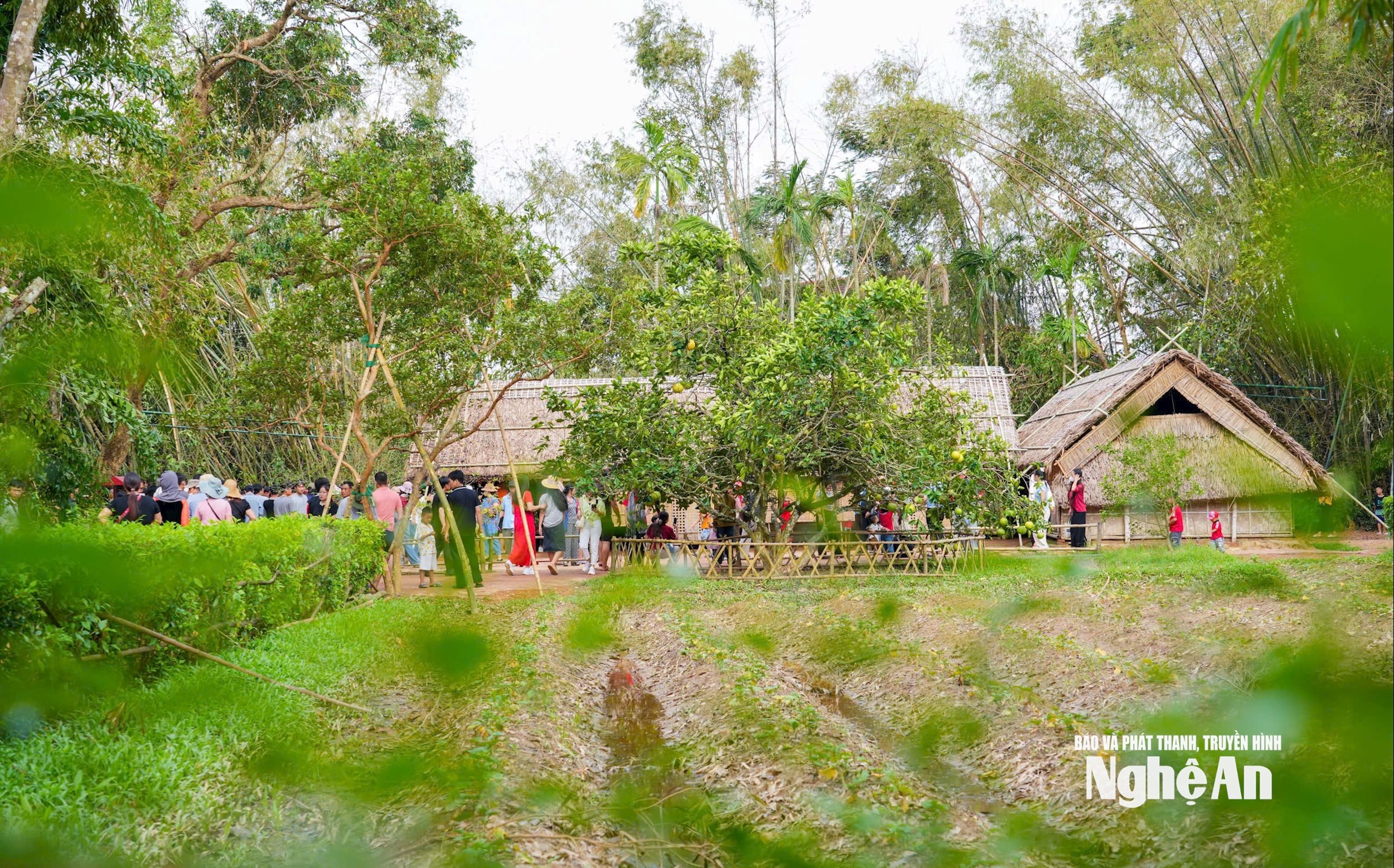
Seventy years have passed, and the Kim Lien Historical Site is not only a place preserving traces of President Ho Chi Minh's homeland, family, and childhood. It also holds the silent dedication of many generations of officials and staff – those who have contributed to preserving the "soul of the nation" with responsibility, reverence for Uncle Ho, and profound love for their homeland. They may not stand in the spotlight of praise, but they are the ones who quietly keep the thatched roofs of Uncle Ho's hometown intact, ensuring that the story of him continues to be told, and allowing every Vietnamese person returning to Kim Lien to reflect on their roots, to contemplate the simple yet noble values, and to be more steadfast on their journey ahead.


