
70 Years of State Management of Religious Affairs:Persistently creating value and affirming our position and role.
Throughout the revolutionary leadership process, the Communist Party of Vietnam and the Vietnamese State affirmed: "Unity of the entire people, without distinction of race, gender, class, or religion." This consistent viewpoint was clearly stipulated in the first Constitution (1946) of the Democratic Republic of Vietnam, now the Socialist Republic of Vietnam.
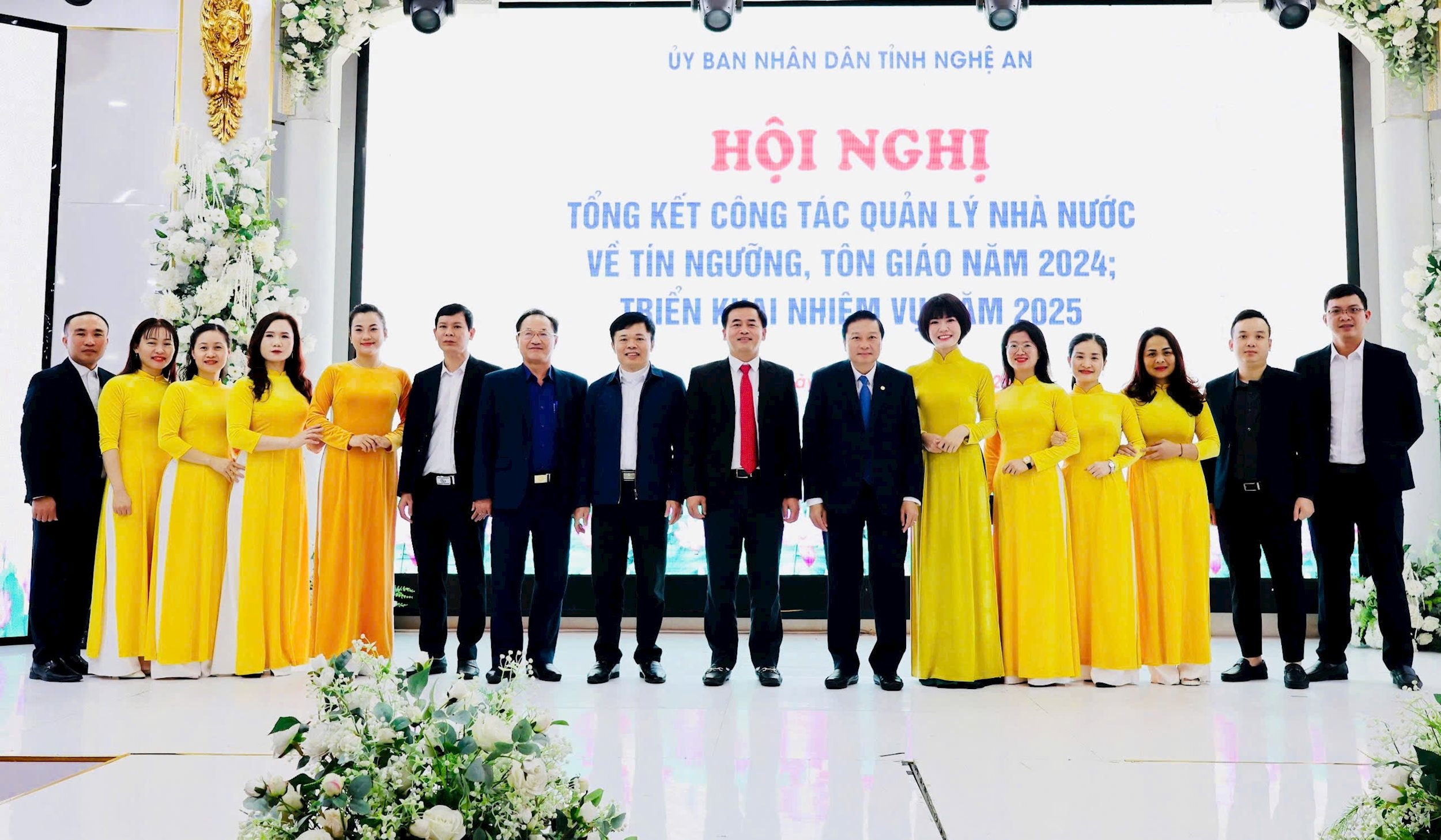
After the end of the resistance war against French colonial aggression, our country was temporarily divided into two regions, and the religious situation became complicated and unpredictable. On June 14, 1955, President Ho Chi Minh signed Decree No. 234/SL promulgating the religious policy of the Government of the Democratic Republic of Vietnam.
Subsequently, on August 2, 1955, the Prime Minister issued Decree No. 566/TTg establishing the Religious Affairs Committee under the Prime Minister's Office (the predecessor of the current Government Religious Affairs Committee) with the function of "researching plans for implementing the Government's policies on religious issues, assisting the Prime Minister in coordinating with central agencies to monitor, guide, and urge localities in implementing the Government's policies on religious issues and liaising with religious organizations." This event marked the birth of the State Management of Religion sector within the socialist state apparatus in our country. Later, in Decision No. 445/QD-TTg dated May 27, 2005, the Prime Minister stipulated that August 2nd each year be the "Traditional Day of the State Management of Religion Sector." This event clearly affirms the position, role, and importance of state management of religion. At the same time, it also serves as a great source of moral encouragement for civil servants, officials, and workers engaged in this special work across the country.
In line with this historical trend, in Nghe An province, the state management of religion has gradually been formed and developed. Implementing Government Decree No. 566/ND-TTg and based on the local religious situation, the Provincial Party Committee and the Provincial People's Committee (now the Provincial People's Committee) of Nghe An have implemented many activities related to religious affairs and state management of religion. Advisory bodies for the Party Committee and government have been established, such as the Provincial Party Committee's Religious and Mass Mobilization Department and the Provincial Committee for Religious and Ethnic Affairs, and the Provincial Committee of the Vietnam Fatherland Front.
In response to the growing demands of state management of religion, on July 27, 1992, the People's Committee of Nghe An province issued Decision No. 1314/QD-UB establishing the Government Religious Affairs Committee under the People's Committee of the province; Subsequently, in accordance with Government Decree No. 22/2004/ND-CP dated January 12, 2004, on the restructuring of the religious affairs apparatus under the People's Committees at all levels, and Circular No. 25/2004/TT-BNV of the Ministry of Interior, and Notice No. 86/TB-TU dated August 4, 2004, of the Standing Committee of the Nghe An Provincial Party Committee, the Provincial People's Committee issued Decision No. 100/QD-UB dated September 27, 2004, stipulating the tasks, powers, and organizational structure of the Religious Affairs Departments at the provincial, district, city, town, and commune/ward levels with a large number of religious followers. These departments have the function of state management of religion within the entire province and serve as the focal point for coordinating with other sectors on religious affairs and religious organizations. Accordingly, the Provincial Religious Affairs Department is a departmental-level agency; districts and cities with a large number of religious followers establish Religious Affairs Offices to advise on and implement state management tasks regarding religion.
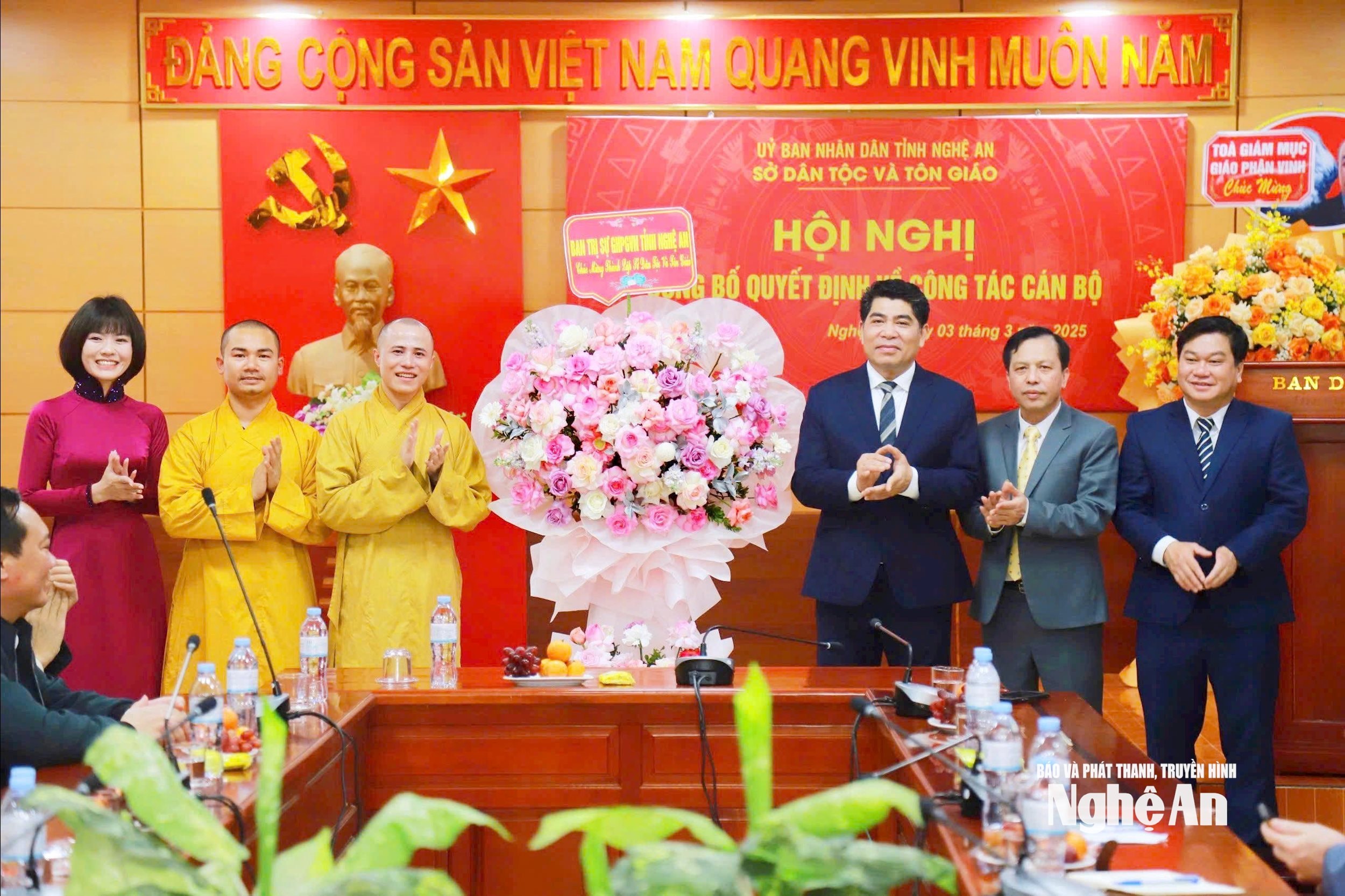
From June 2008, in accordance with Government Decrees 13/ND-CP dated February 4, 2008 and 14/ND-CP dated March 4, 2008, regulating the organization of specialized agencies under the People's Committees of provinces and centrally-administered cities, and specialized agencies under the People's Committees of districts (formerly), the Provincial Religious Affairs Department was merged into the Department of Internal Affairs, becoming a department within the Department, and the Religious Affairs Offices were merged into the Internal Affairs Offices of the People's Committees of districts (formerly). Continuing to implement the Politburo's policy of streamlining and reorganizing the organizational structure, on March 18, 2025, the Provincial People's Committee issued Decision No. 779/QD-UBND on the establishment of the Religious Affairs Department under the Department of Ethnic Minorities and Religions.
Over the course of 70 years, a long journey marked by numerous ups and downs alongside the nation's history, despite many changes in organizational structure and apparatus, generations of officials working in state management of religion in Nghe An have persistently strived to fulfill their duties well, becoming a solid bridge between the Party, the State, and religions and religious followers. Many advisory and practical activities in state management of religion have been implemented decisively, promptly, and effectively, meeting the needs of religious life, ensuring freedom of belief, and highlighting the role of religious organizations in political and social life, while strictly managing religious activities in accordance with the law and promoting the spirit of: "Religion, Nation, and Socialism."
Thanks to this, throughout the revolutionary process, religious organizations always stood alongside the nation. In the struggle for national liberation, religious followers contributed manpower and resources to the resistance, with many young people from religious areas enthusiastically joining the army, building local militia forces, participating in transportation and supplying aid to the South to defeat the American invaders. Many religious establishments and families of religious followers became meeting places, study centers, barracks for soldiers, places for treating and caring for wounded soldiers, and shelters for patriotic individuals. Many exemplary religious figures such as priests Tran Van Sang, Vuong Dinh Ai, Ho Duc Hoan, Pham Dinh Hau, and nun Thich Dieu Niem...
In the process of national construction and development, many new models of religious communities have emerged, contributing to the creation of unique cultural identities in the new rural development movement; uniting to build cultural life in residential areas; participating in government building; maintaining security, order, and social safety...
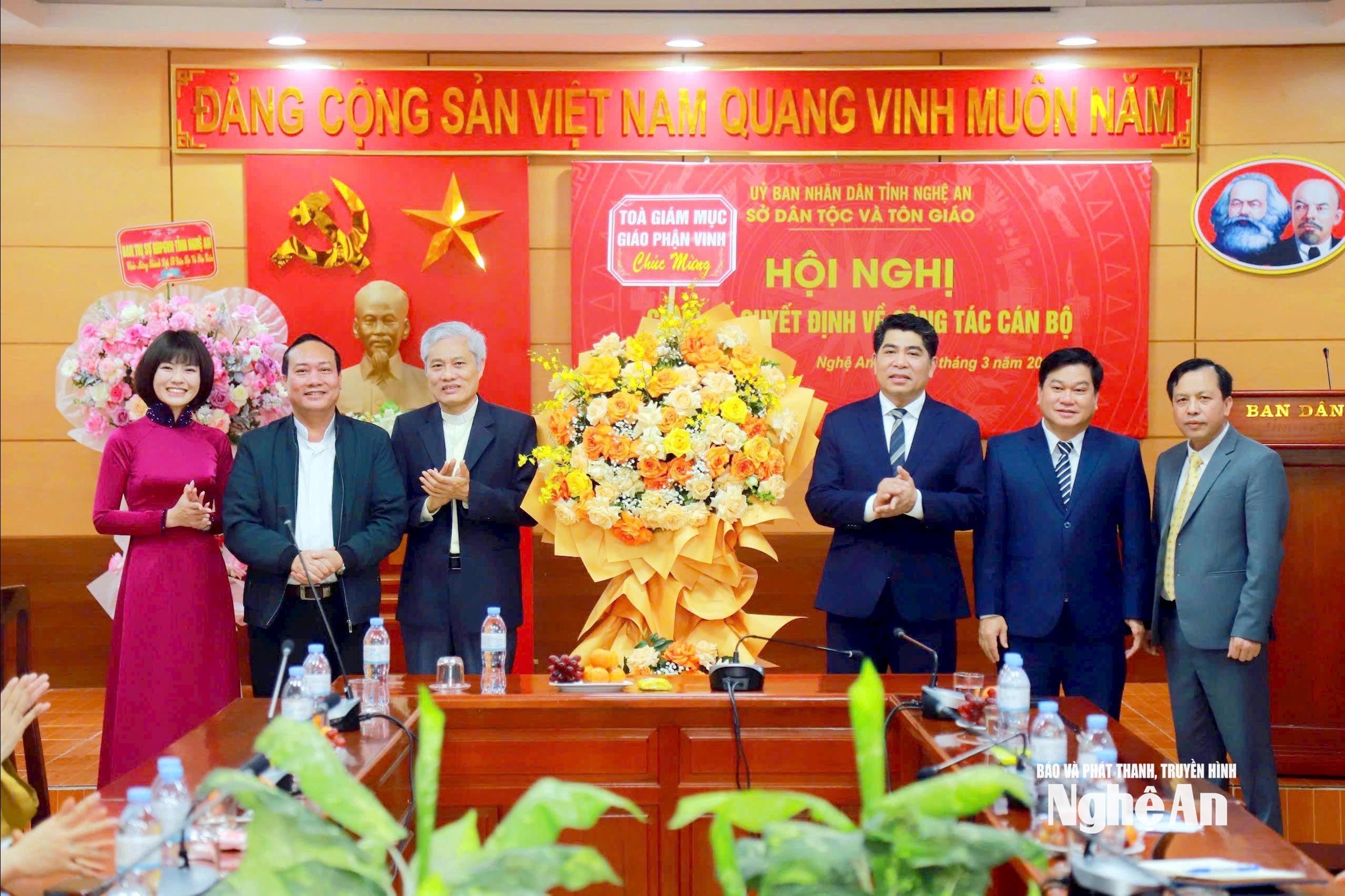
| Nghe An is a regionDVery early there are manyUh tUhreligion was introduced into the country.Uh Confucianism, Buddhism, Christianity… In the flow of historyeatIn terms of culture, the people of Nghe An haveDreligious lifeUhrich in religion, inDooThere are two main religions, Buddhism and Catholicism, with over 470,000 followers.DOh, Buddhists, religious leaders, and officials account for over 12.71% of the province's total population.. CReligious establishments are spread across 82/130 communes, districtsUhTo date, there are over 300,000 people, practicing in 363 parish churches and congregations (15 deaneries, 123 parishes, 240 congregations, and 3 legally recognized religious orders).26 religious orders(present in the province) under the guidance of the Vinh Diocese Bishopric with 2 bishops and 232 priests. Buddhism in Nghe An has a long historyDOh.In 2011, the Vietnam Buddhist Association of Nghe An ProvincedropSince its establishment, the Buddhist Church has approximately 170,000 followers, practicing in 76 temples and 1 prayer hall, under the guidance of 110 monks, nuns, and religious practitioners. In addition, there are some Protestant followers, and new religious phenomena such as Falun Gong, the Church of God the Mother, the Wonderful Sound Dharma, and spiritual beliefs related to President Ho Chi Minh… |
Through their management work, religious affairs advisory agencies at all levels have closely monitored the local areas, grasped the situation at the grassroots level, and promptly proposed recommendations to the Party committees and authorities to issue policies, regulations, and legal documents that create favorable conditions for effective state management of religion. On the one hand, they have promptly addressed the legitimate needs and aspirations of religious leaders and followers, such as: separating and establishing 53 parishes and 57 congregations of the Catholic Church; establishing the Vietnam Buddhist Association of the province; restoring and establishing 76 temples and 1 Buddhist prayer hall; granting land use rights certificates to 97% of religious establishments; and granting construction permits for 225 religious constructions… Religious ceremonies such as the Jubilee Year, Christmas, Easter, Buddha's Birthday, Vu Lan Festival, and the Provincial Buddhist Congress… have received special attention from the authorities at all levels, becoming a popular cultural feature in the community.
Responding to campaigns launched by the provincial government and the Fatherland Front, religious organizations in Nghe An have actively contributed both materially and spiritually to charitable activities. In the last five years alone, the Catholic community has coordinated with local authorities to participate in numerous activities such as building and renovating martyrs' cemeteries, supporting the construction of thousands of houses for needy families and solidarity houses; donating tens of thousands of man-days of labor, tens of tons of rice, and many other supplies and goods with a total value of 24.372 billion VND…;The provincial Buddhist association has contributed over 260 billion VND, built over 200 solidarity houses, 5 bridges, 5 schools, awarded over 1,000 scholarships; provided millions of bowls of charitable porridge, donated over 1,000 units of blood each year; and mobilized monks, nuns, and Buddhists to contribute to funds such as: the Fund for the Poor; the Fund for Education and Talent Promotion; and the Fund for Gratitude and Repayment… creating a strong transformation in the national unity bloc.
In addition, many activities supporting religious diplomacy have been implemented, such as: welcoming and working with the EU Political Counselor delegation; the delegation of Archbishop Marek Zalewski, the first Resident Representative of the Holy See in Vietnam; supporting the Executive Board of the Vietnam Buddhist Association of Nghe An province to organize friendly exchanges and sign agreements with the Executive Board of the Buddhist Association of Xieng Khouang province, Laos... Through these activities, information about the religious situation in Nghe An is disseminated to the international community to understand and support foreign relations efforts.
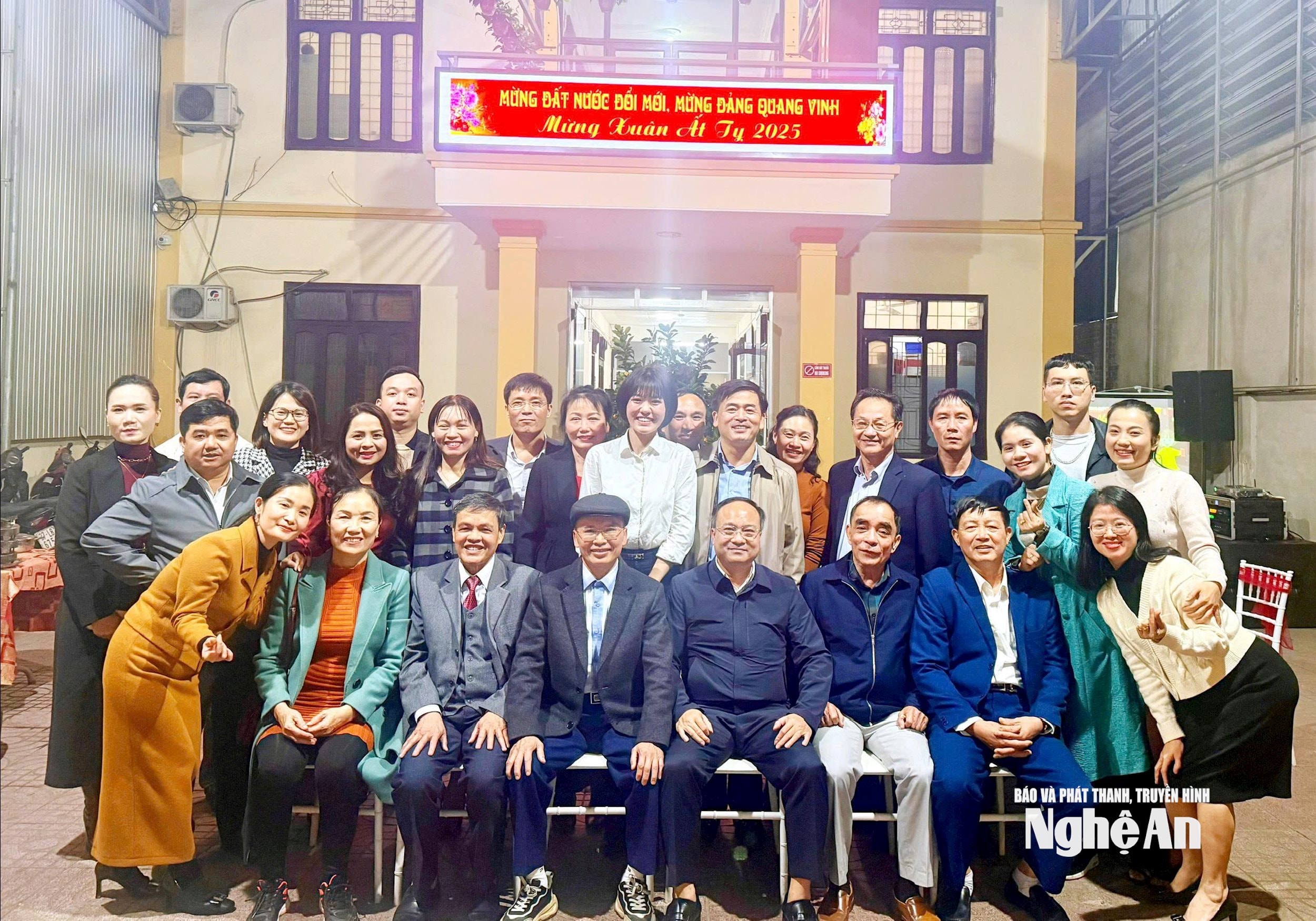
Religion is a unique aspect of social life that places high and comprehensive demands on those working in state management... Besides fully complying with legal regulations, they must also possess strong political qualities and principles, comprehensive knowledge, and the ability to engage in dialogue and persuasion not only with religious organizations and individuals but also with religious followers and the general public. Officials working in state management of religion must dedicate more time to their work compared to other sectors, as religious activities and events often take place on weekends, holidays, and outside of working hours.
In the context of increasingly deep international integration and the current two-tiered local government system, state management of religion is facing new demands. Ahead lies a glorious but also arduous, challenging, and stressful journey. Yet, within them, a flame of faith, passion, dedication, perseverance, and silent sacrifice continues to burn brightly, contributing to the creation of lasting values for society.
70 years – a truly proud journey. The religious affairs management force of Nghe An province will continue to strive, worthy of being a strong bridge in fostering good relations between the Party committee, government, and people with religious organizations and the lay community, monks, nuns, and Buddhists, in order to further promote the role of religious organizations in the overall development of the province and the country. The religious affairs management sector of Nghe An province has, is, and will continue to affirm its indispensable position and role in the political system, contributing to the solid consolidation of national unity, and ushering in a new era – an era of national progress.


