
9 ways to avoid scams when shopping online.
Artificial intelligence (AI) tools are helping scammers create increasingly sophisticated fake online shopping websites. Users need to be more cautious about bargains and shopping offers on the internet.
Online shopping is becoming increasingly popular, but it has also become fertile ground for cybercriminals.
According to a recent report by the US payment technology giant Visa, fraudsters are exploiting inexpensive AI tools to copy the interfaces of familiar websites, then stealing credit or debit card information from buyers.
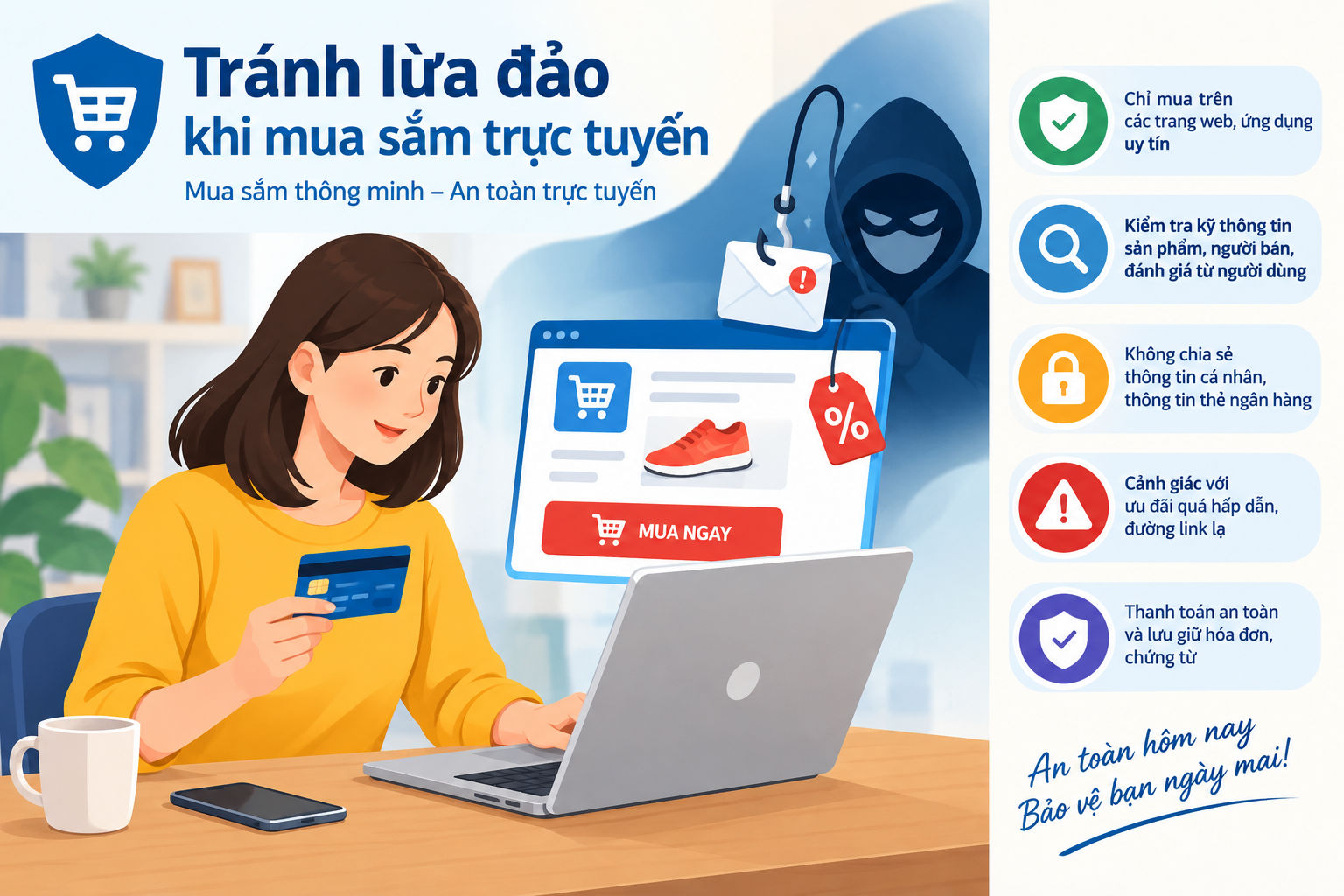
To minimize the risk of becoming a victim, users can apply some simple principles below.
1. Only buy from reputable websites.
Don't blindly trust websites that appear first in search results, as search results can be manipulated or lead users to pages containing malicious code.
Before buying from a retailer you've never used before, look for independent reviews and double-check the domain name. Unusual spelling errors, suspicious domain names, or overly attractive promotions are all warning signs.
2. Check the website address.
Before entering your payment information, check the website address and ensure that the page uses a secure HTTPS address. This indicates that the connection between your device and the website is encrypted.
However, it's important to remember that HTTPS doesn't automatically guarantee a website's legitimacy. Phishing websites can also use security certificates. Therefore, this should only be considered an additional layer of verification.
3. Research the seller thoroughly.
Please check the business name, address, phone number, and customer reviews before providing payment information.
Don't blindly trust websites with only a lot of positive reviews, as fake reviews can be created to deceive buyers. If possible, contact the seller directly to confirm their return policy and how they handle issues with your order.
4. Limit sharing personal information.
A sales website doesn't need to know all your information. It only provides the data that's truly necessary to complete the transaction.
Dates of birth, middle names, ID numbers, or other unrelated personal information can become valuable data for identity thieves. The less information that is leaked, the lower the risk of being exploited.
5. Limit the use of debit cards.
Debit cards are directly linked to bank accounts, so if the information is stolen, criminals can access the money in the account.
When shopping online, credit cards or payment methods with user protection mechanisms are generally safer options. Some banks even offer virtual or one-time card numbers for online transactions.
At the same time, check your statements regularly. If you notice any unusual transactions, contact your bank or card issuer immediately.
6. Be wary of gift cards.
Gift cards are also a target for many scams. Avoid purchasing cards from unknown sources or unreliable exchange services.

A safer option is to buy directly from the retailer or use an electronic card issued by the retailer themselves.
7. Don't click on ads indiscriminately.
Online advertisements can lead users to fake websites, pages containing malware, or phishing programs. Be especially wary of advertisements that use images of celebrities to promote products or promise unusual gifts.
Deepfake technology is making this type of scam even more convincing. Users should verify the source of information instead of blindly trusting images or videos that appear on social media.
A reputable ad blocker can help limit malicious ads and tracking tools. In addition, keep your security software and operating system updated to the latest version.
8. Enhance account security.
Password managers help create and store strong, unique passwords for each account. More importantly, enable multi-factor authentication (MFA) whenever the service supports it.
Security tools are only effective when they are regularly updated. New threats are constantly emerging, so using outdated software can leave your device vulnerable to attacks.
9. If you are scammed, report it.
Becoming a victim of online fraud is not something to be ashamed of. What's important is to quickly address the consequences and report the incident.
If you detect a fraudulent transaction, contact your bank or payment service provider. Simultaneously, report the fraudulent website, seller, or account to the relevant platform and authorities to limit the risk of others becoming victims.
In summary, no single measure can completely eliminate the risks of online shopping. However, carefully checking websites, limiting the sharing of personal data, using secure payment methods, and enabling MFA can significantly reduce the risk of information theft.
Especially in the age of AI, users should not judge a website solely based on its professional appearance. A website that looks exactly like a familiar brand could still be a trap designed to steal money or personal information.


