
Young people in their 20s return to their hometown to find a new path for Kim Nhan mandarin oranges.
Putting aside his university studies, Tran Van Duong (born in 1993) returned to Vinh Tuong commune to continue his family's business with the Kim Nhan mandarin orange orchard, a legacy he has maintained for nearly half a century.
Duong brings with him a systematic production mindset, applying safe farming practices, focusing on product design, building a brand, and bringing products to digital platforms. Starting from a traditional specialty crop, Duong is gradually expanding its market and increasing the economic efficiency of Kim Nhan mandarin oranges...
Returning to inherit the business, bringing with them new ways of doing things.
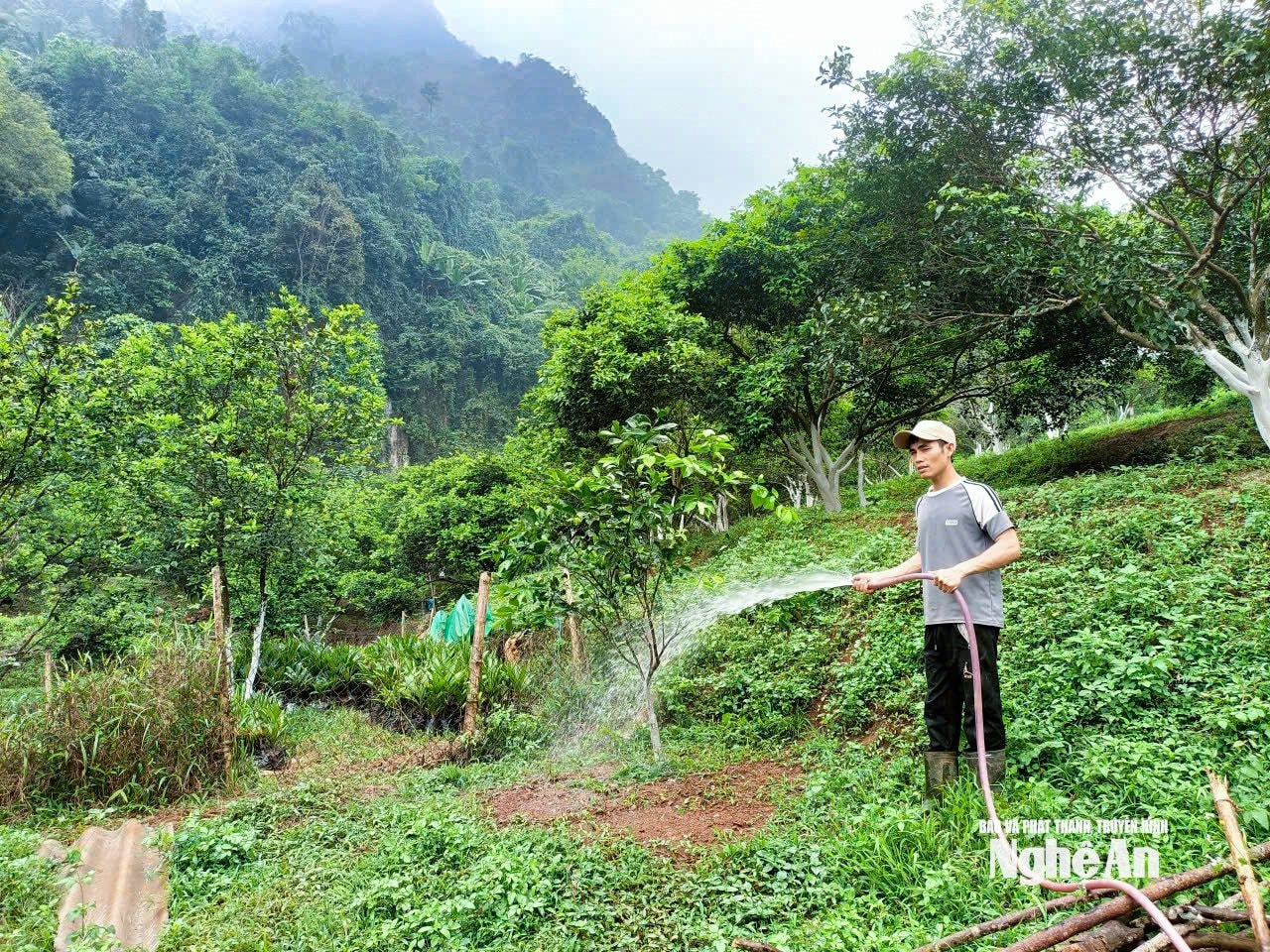
Early in the morning, while dew still clung to the branches, Tran Van Duong was already present in the middle of his family's nearly 4-hectare orange grove. Holding pruning shears and observing each tree, he worked while discussing the organic fertilizer application schedule with the seasonal laborers. This familiar work had become a daily routine for the young man who had spent two years studying at university in the city.
Born into a family closely associated with the Kim Nhan mandarin orange tree for nearly half a century, Duong grew up alongside the ripening orange seasons. After graduating from high school, he passed the entrance exam to Vinh University of Technology and Education. His early days at university opened up many new opportunities for the young man from the highlands. But the further he went, the more Duong thought about his family's orange orchard, where production was still done traditionally, with sales dependent on traders and prices uncertain.
After two years of studying, Duong decided to drop out and return to his hometown. “My time at school helped me change my mindset. I realized that the oranges from my hometown are valuable, but to develop them, I have to do things differently: cleaner, more systematic, and with a brand,” Duong shared.
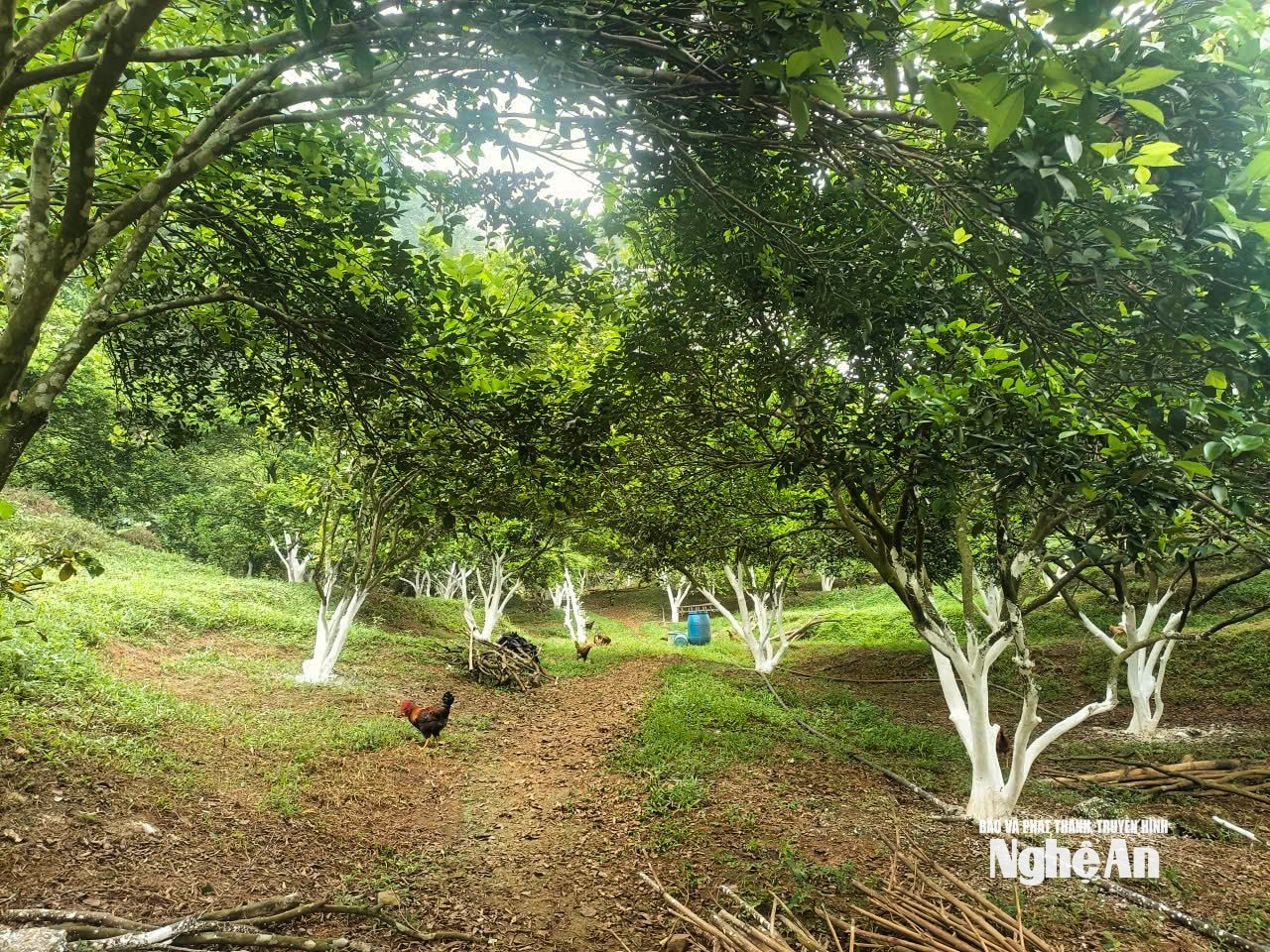
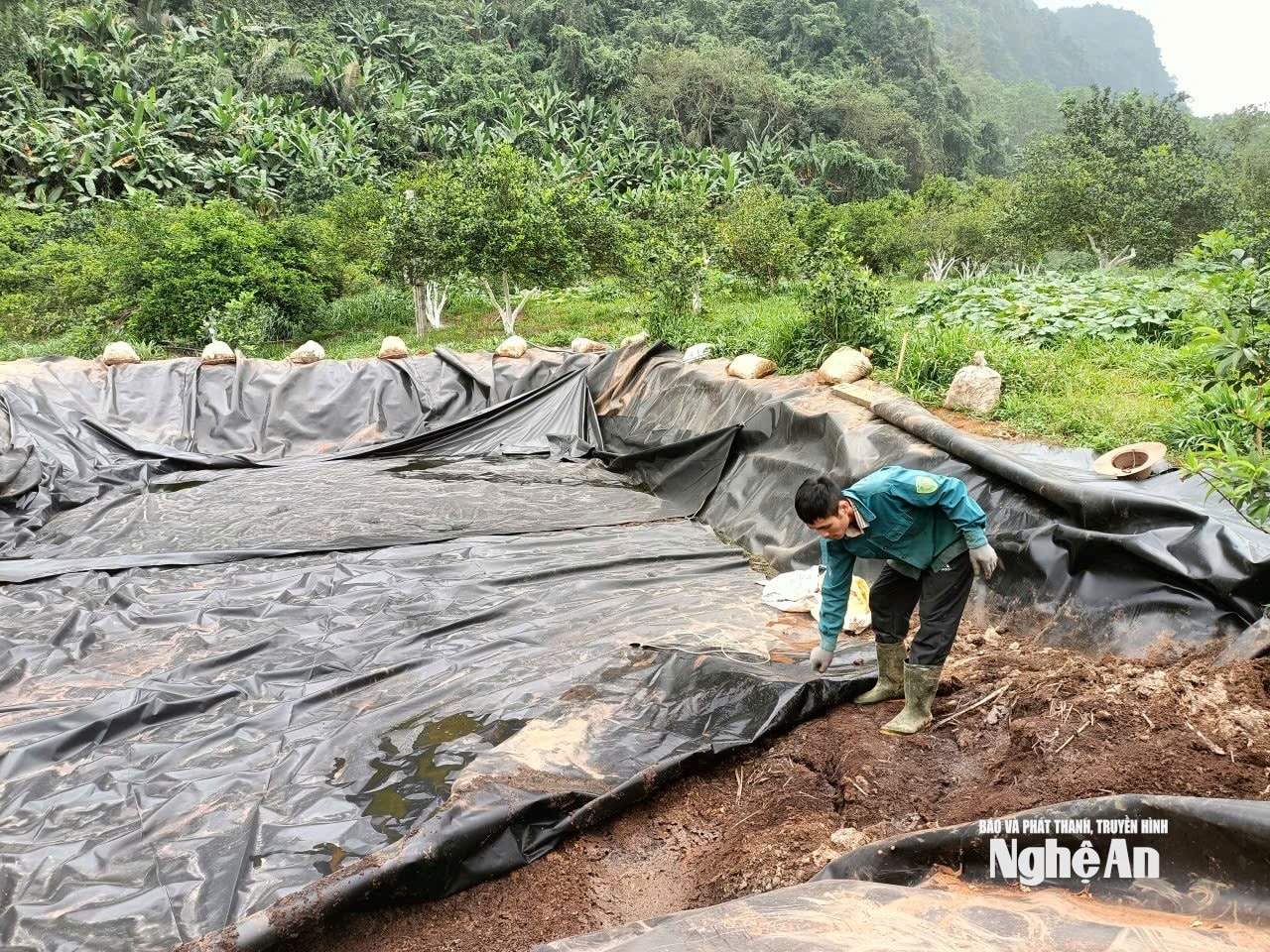
Upon returning to his hometown, the first thing he did was change his orange orchard's cultivation methods to organic farming. Instead of relying entirely on chemical fertilizers, Duong hired workers to collect cow, chicken, and goat manure from local farms, combining it with agricultural by-products to compost into organic fertilizer. He dug a fertilizer storage tank right in the orchard, and when it was time to fertilize, he used a pumping system to directly irrigate the trees.
During the fruit-bearing stage, Duong ferments fish protein and ripe bananas into a bio-liquid to supplement nutrients. The care process is divided according to each growth stage, ensuring the trees develop naturally and minimizing pests and diseases. As a result, the oranges retain their sweet, juicy flavor.
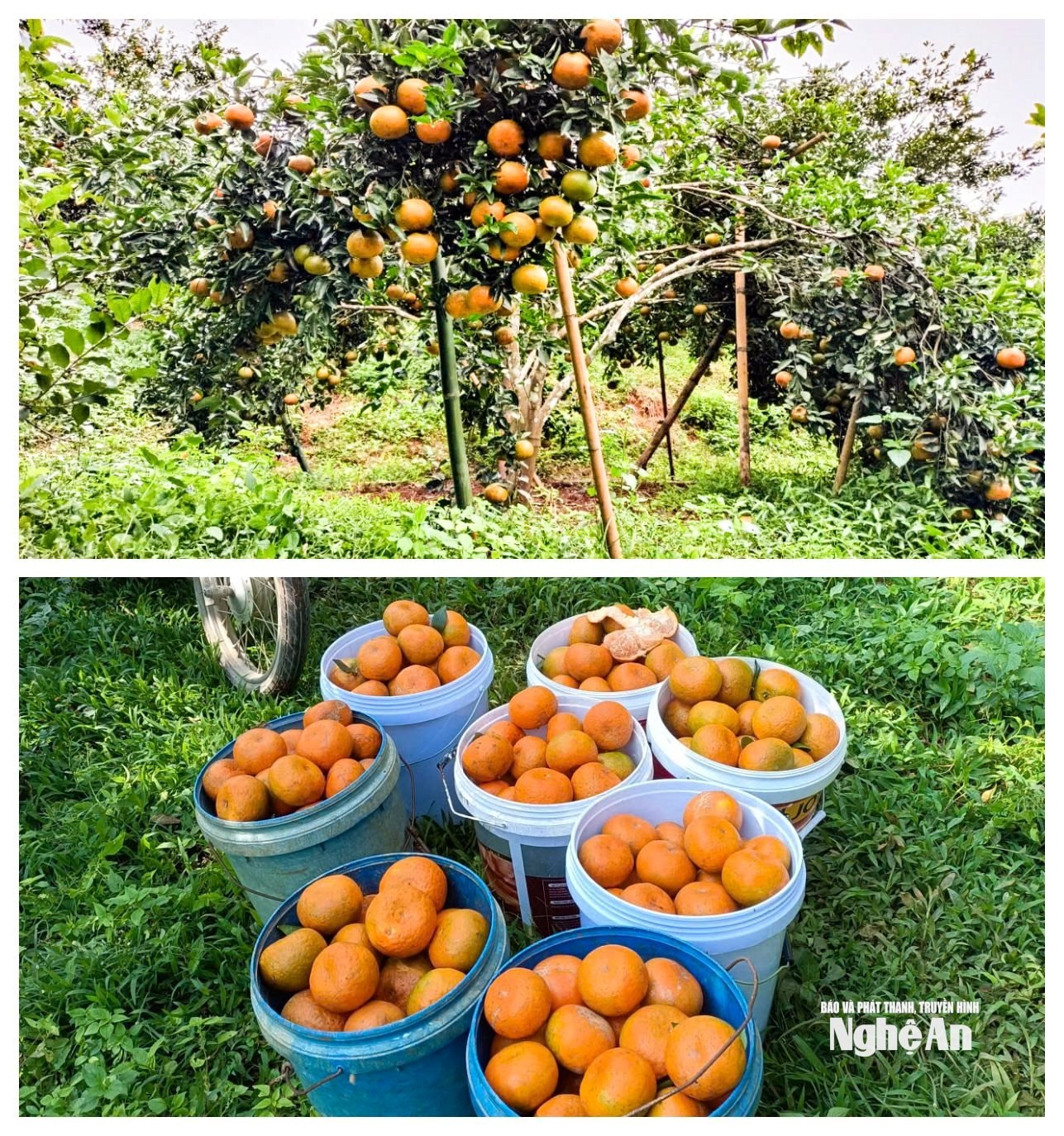
After about 5 years of persistently pursuing organic orange cultivation, the most recent harvest from 4 hectares yielded nearly 40 tons, bringing in over 1.5 billion VND after deducting expenses. This achievement is not just a number, but also a milestone affirming that the young man's new direction has finally yielded "sweet fruits."
Elevating the status of Kim Nhan mandarin orange specialty.
As product quality improved, Tran Van Duong continued to think about the market. He invested in packaging, traceability labels, and built a brand for his family's pomelo oranges. When the product received OCOP certification, the value of the oranges increased significantly, and the market became more stable.
Besides selling through traditional methods, Duong leverages social media for promotion. Videos filmed in the orchard, along with images of the care and harvesting process, are regularly posted. As a result, customers in many provinces and cities have learned about the lotus-flavored oranges and placed direct orders. "Consumers now care about clean agricultural products with clear origins. If we do things properly and know how to promote them, highland specialties can absolutely stand the test of time," Duong said.
Duong's orange farm currently provides regular employment for two workers, along with dozens of seasonal workers during each harvest season. Furthermore, he is willing to share his cultivation techniques, organic fertilization methods, and safe pest control practices with local farmers. Besides technical knowledge, Duong also guides people on how to promote their products on digital platforms. These exchange sessions, held right in the orange orchard, have become a place for learning from experience. From a family-run model, this innovative approach is gradually spreading.
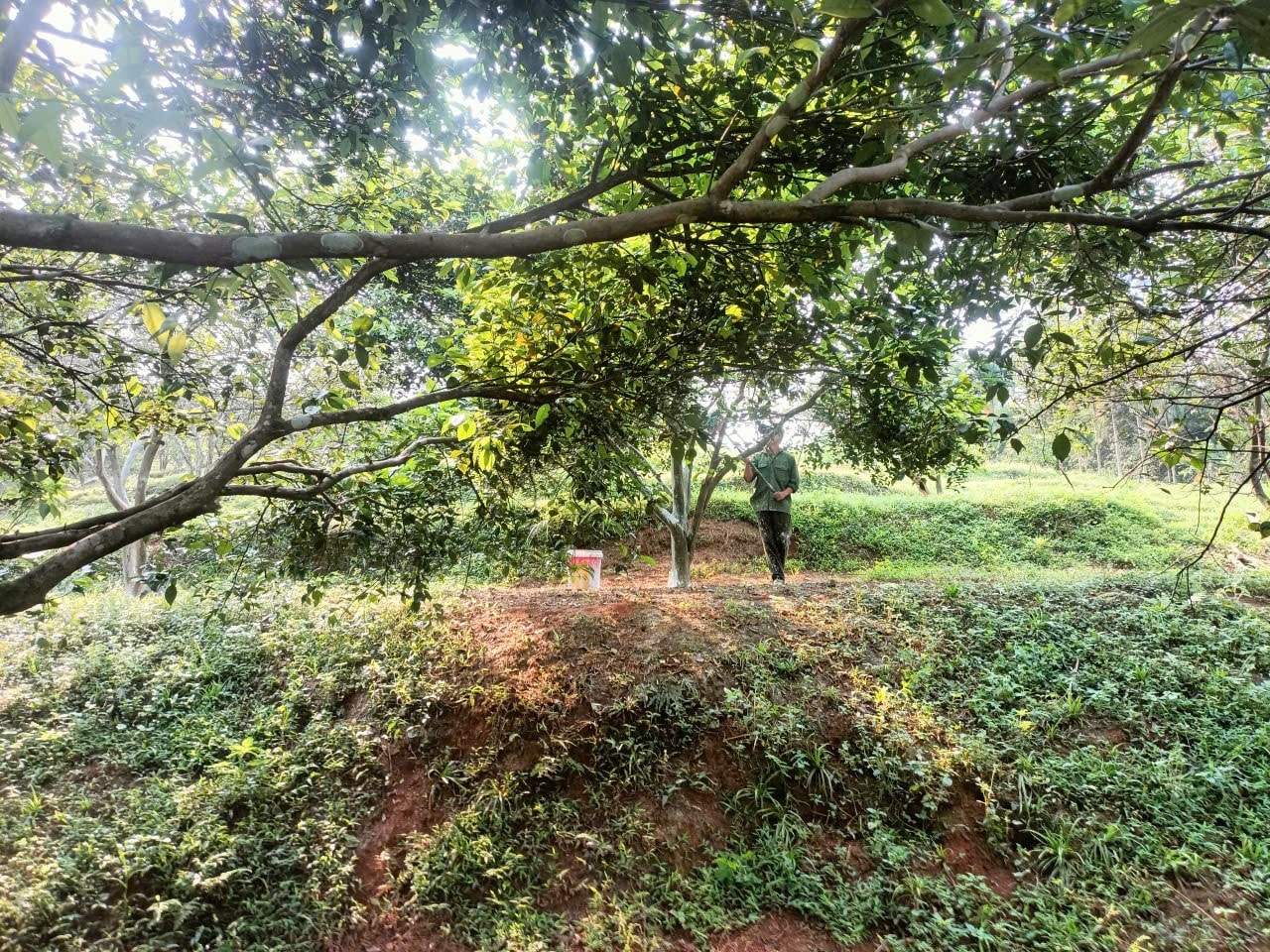
Not content with the present, the young man is planning to expand his farm, buying up less productive orange orchards to cultivate them organically. He is also replanning the farm grounds, planting more four-season lemons and plums to create an ecological landscape. His long-term goal is to develop experiential tourism linked to the orange orchard – where visitors can tour, learn about the orange cultivation process, and enjoy the local specialty. "I want that when people think of Kim Nhan oranges, they think not only of delicious oranges, but also of an experiential destination," Duong shared.
Tran Van Duong's journey reveals a noteworthy trend in the highlands: Young people leave their hometowns to learn and then return to start businesses right on their own land. They bring with them new knowledge and methods, becoming economic "nucleuses" that contribute to creating new momentum for agriculture in the highlands.


