
Abeye launches Lexilens display that assists people with dyslexia using PWM technology.
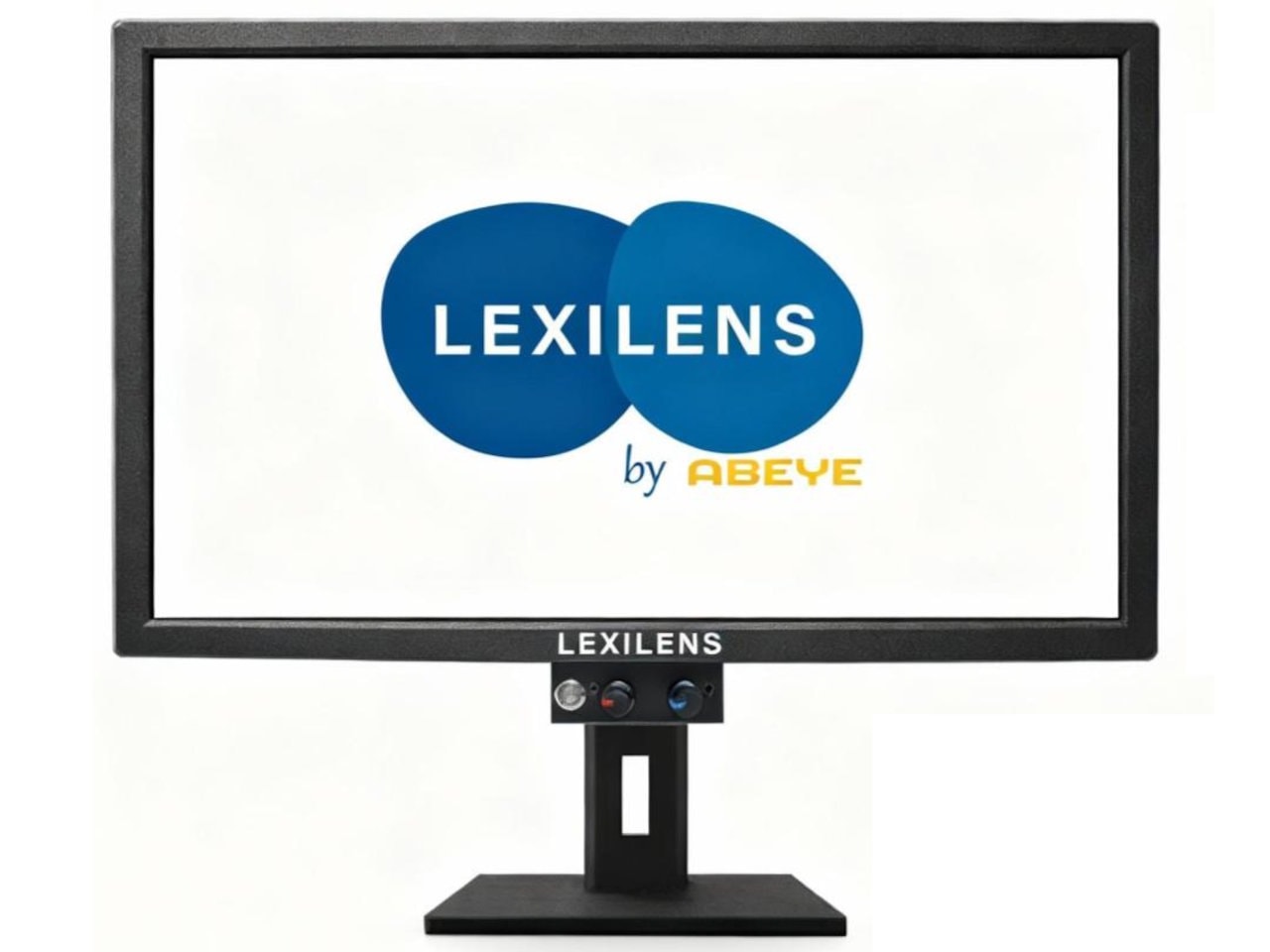
The Lexilens 24-inch display uses pulse width modulation to reduce visual noise and reflections, providing a comfortable reading experience for people with dyslexia.
Abeye has officially introduced Lexilens, a groundbreaking computer display specifically designed to assist people with dyslexia. The product aims to address neurovisual crowding, helping users access textual information more easily and accurately.
How the Lexilens reader-assisted technology works
The key differentiating factor of Lexilens lies in its ability to adjust how images are displayed on the screen. The device uses Pulse-Width Modulation (PWM) to influence image reproduction, thereby minimizing mirror images and other visual artifacts. These are common obstacles that cause dyslexia to frequently struggle with distinguishing characters and text.
Technical specifications and practical applications
In terms of hardware specifications, Lexilens is a 24-inch monitor with Full HD (FHD) resolution. However, the core value of the product lies not in the panel specifications but in the intelligent image processing algorithm integrated within. This technology allows the monitor to actively eliminate visual distractions, creating a clean and stable viewing environment for the eyes.
Minimizing visual nerve crowding not only increases reading speed but also reduces strain on the nervous system when processing complex characters. This is especially important in educational and office environments, where processing text is a daily requirement.
New breakthroughs at CES 2026
This product garnered significant attention when it was showcased at CES 2026. The introduction of Lexilens demonstrates a growing trend of integrating biomedical solutions into consumer electronics, aiming to support communities and improve quality of life through technology.

Currently, Abeye positions Lexilens as a crucial assistive tool in the healthcare and education sectors, opening up new avenues for applying display technology to support visual and neurological impairments.


