
ADAC: Electromagnetic radiation in electric vehicles is lower than feared.
ADAC measured 11 electric vehicles, several hybrids, and one gasoline vehicle using 10 probes on a dummy; electromagnetic radiation consistently remained below recommended levels, even during acceleration or charging.
Research conducted by Germany's ADAC automotive club shows that electromagnetic radiation levels inside electric vehicles are much lower than previously feared and even lower than some modern internal combustion engine cars. The measured values consistently fall below international recommended limits, confirming the safety of electric vehicle use.
This survey, conducted under the authorization of the German Federal Office for Radiation Protection (ADAC), refutes the notion that large batteries placed under the floor would turn occupants into "living antennas." According to ADAC, drivers and passengers are exposed to very small amounts of electromagnetic radiation, with no significant health risks observed.
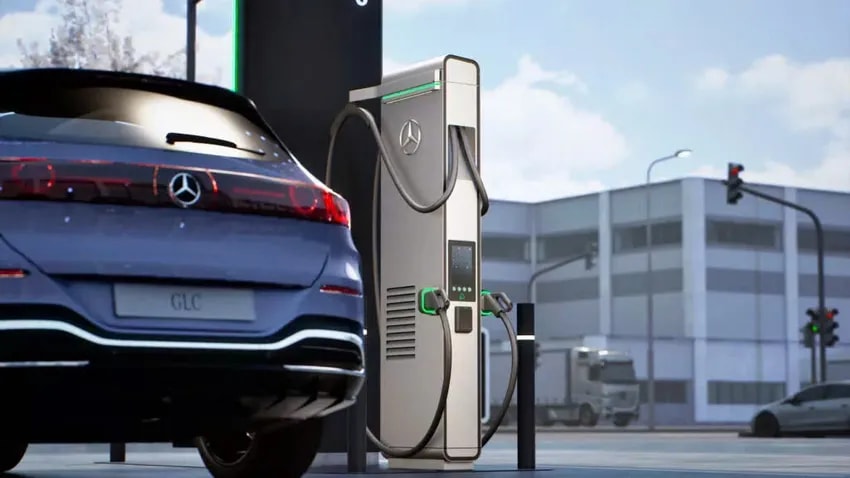
Main conclusion: safety in daily operation.
Under real-world operating conditions, including acceleration, braking, and when electrical components are active, the ADAC detects several brief peaks in magnetic field strength. However, these instantaneous variations are considered normal for high-voltage electrical systems and remain well below the recommended threshold.
- The higher readings were concentrated in the leg area – near the drivetrain and power cord bundle – rather than the head region.
- There is no apparent risk of affecting the cells, nervous system, or heart-supporting devices of the occupants of the vehicle.
- In many scenarios, electric vehicles perform even more safely than some modern internal combustion engine models.
ADAC verification method: measurements on dummies, multiple chair positions.
ADAC conducted measurements on 11 electric vehicle models, along with several hybrids and one gasoline-powered vehicle for comparison. The engineering team placed 10 probes on a dummy, moving the dummy through various seating positions while the vehicle was in operation and charging, in order to record the actual magnetic field strength and compare it to safe thresholds.
- Prototypes: 11 electric vehicles, several hybrid vehicles, and one gasoline vehicle.
- Measurement setup: 10 probes arranged on the mannequin.
- Scenario: measurements taken while the vehicle is running (acceleration, emergency braking, electrical systems are active) and while charging.
This method allows for the assessment of the electromagnetic field distribution at the seating positions, accurately reflecting the power source characteristics of electric vehicles under real-world operating conditions.
Heated and charging seats: specific situations
One notable finding is that heated seats – a common feature – generate significantly more electromagnetic activity than other components. This phenomenon occurs in electric, hybrid, and gasoline vehicles. However, even with heated seats on, the readings remain below what is considered a dangerous level.
During charging, the difference between AC and DC is also observed:
- Slow AC charging: a higher reading appears at the plug area at the start of charging, but remains within safety standards.
- DC fast charging: although it offers higher power output, the measured magnetic field is weaker compared to traditional AC charging.
Significance for users and the market
The ADAC results reinforce the belief that electric vehicles do not pose the radiation risks that many people fear. The distribution of magnetic field intensity mainly in the foot area, short peaks during operation, and safe charging indicate that the high-voltage electrical system design in electric vehicles has been well controlled.
From a user's perspective, these results alleviate concerns about the impact on the body and cardiac support devices when sitting in a vehicle. From a market perspective, this provides a basis for boosting confidence in the increasingly widespread adoption of electrified transportation technology.
Test summary table
| Ingredient | Describe |
|---|---|
| Implementing unit | ADAC |
| Authority | German Federal Office for Radiation Protection |
| Survey subjects | 11 electric cars, several hybrid cars, and one gasoline car. |
| Method | Ten probes on the dummy measure at multiple seat positions during operation and charging. |
| Measurement situation | Acceleration, emergency braking, electrical components activate; AC charging and DC fast charging. |
| Main results | Always below the recommended threshold; short peaks are normal with high-voltage power systems. |
| High index position | Foot area, near the drivetrain and power cord. |
| Notable factors | Heated seats generate high electromagnetic activity, but it remains below dangerous levels. |
| Observe while charging. | AC has a peak at the plug at the beginning; DC is weaker than AC. |
The overall findings show that electric vehicles meet the safety criteria regarding electromagnetic radiation during both operation and charging, providing a basis for users to confidently choose them.


