
AFC and the strange contrast: Swift penalty for CAHN and questions surrounding the Malaysia case.
While Hanoi Police FC was handed a defeat after only 6 days, the case involving 7 naturalized players of the Malaysian national team still lacks a final verdict despite dragging on for many months.
Football circles across Southeast Asia are in an uproar over the inconsistency in the Asian Football Confederation's (AFC) disciplinary process. The focus of the debate centers on the fact that Hanoi Police FC (CAHN) received a penalty after only six days, while the Malaysian national team's violation case remains inexplicably pending.
The nature of the wrongdoing: Administrative error versus allegations of fraud.
The incident involving the Vietnamese representative stemmed from an error in the player registration process for the first leg of the Champions League Two Round of 16 match against Tampines Rovers on February 11th. Due to this oversight, CAHN allowed Stefan Mauk and Rogerio Alves to play despite both players having accumulated three yellow cards in the group stage and being under suspension.

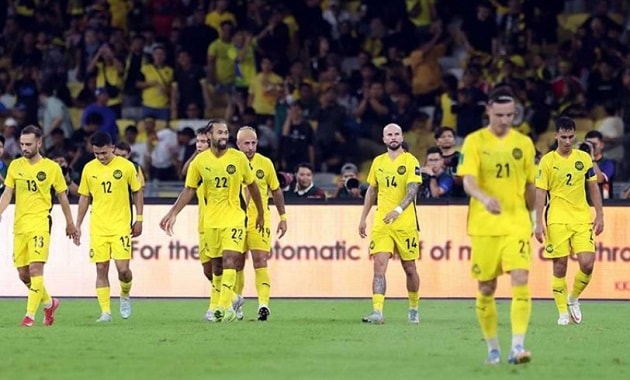
Immediately after the incident was discovered, the AFC ruled against CAHN 0-3. Notably, head coach Mano Polking admitted it was a clear administrative error and did not raise any objections. Conversely, the case of the Malaysian team is much more complicated, involving allegations of using seven naturalized players in violation of regulations in their match against Vietnam last June.
While CAHN's misconduct was sporadic and clearly documented, Malaysia's case was considered more serious, showing signs of systemic fraud. However, the Football Association of Malaysia (FAM) reacted strongly and affirmed its intention to pursue the appeal process to the end, forcing the AFC to be more cautious in its legal actions.
The pressure of the fixture schedule forced the AFC to act quickly.
One of the objective reasons for CAHN's swift penalty was the time pressure of the tournament. The second leg between the Vietnamese representative and Tampines Rovers was scheduled for February 18th, just one week after the first leg. Furthermore, the quarter-finals of the tournament would begin on March 3rd.
This situation forces Asia's most powerful football governing body to make an immediate decision to ensure the continuity of the tournament and help teams stabilize their professional plans. In the case of the Malaysian national team, there is still plenty of time, as the 2027 Asian Cup qualifiers don't resume until the end of March.
Inconsistency from the top level of the AFC.
Despite procedural and scheduling reasons, the AFC has not been able to avoid a wave of criticism from the regional media, particularly for the inconsistency in statements from Secretary General Windsor John. Initially, he asserted that the AFC would address the issue immediately after FIFA's ruling, but later changed his stance, announcing that he was awaiting the results from the Court of Arbitration for Sport (CAS).
This inconsistency has led fans and experts to question the fairness of the AFC. The swift punishment of a club while prolonging the case of a national team is setting a bad precedent for transparency in football governance across the continent.


