
AI - Some Understanding and Applications
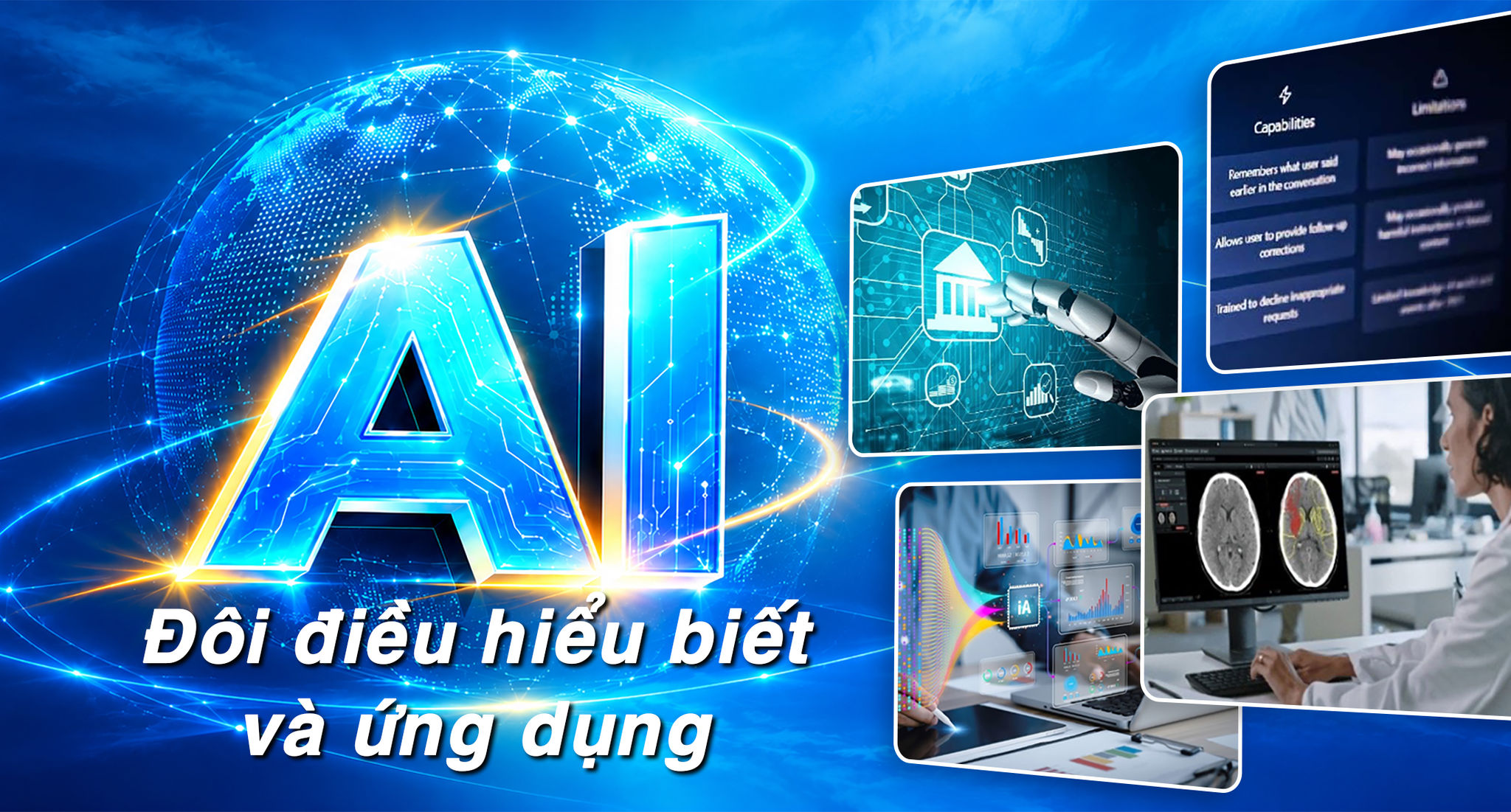
AI is not a "master key" that knows everything, nor can it completely replace humans. Understanding the true nature of the technology and mastering its principles is crucial to transforming AI into a genuine driving force for innovation in today's world.
Nguyen Mai Linh |Present:Huu QuanOctober 18, 2026
AI is not a "master key" that knows everything, nor can it completely replace humans. Understanding the true nature of the technology and mastering its principles is crucial to transforming AI into a genuine driving force for innovation in today's world.
Some technological achievements, when they first emerge, remain confined to laboratories, research centers, or are only known to a select group of specialists. However, there are also scientific breakthroughs that develop so rapidly that, in a short time, they become part of everyday life, changing how people receive information, process tasks, and perceive the world. Artificial intelligence (AI) is one such example.
From information retrieval, translation, and document drafting to data analysis, image design, medical diagnostic support, and solving management problems, as well as art and architecture, AI is gradually entering many areas of life. Significantly, access to this technology is no longer limited to research institutions or large corporations. A computer or smartphone with an internet connection can open up a path for anyone to use AI and achieve a much more efficient way of working than before.
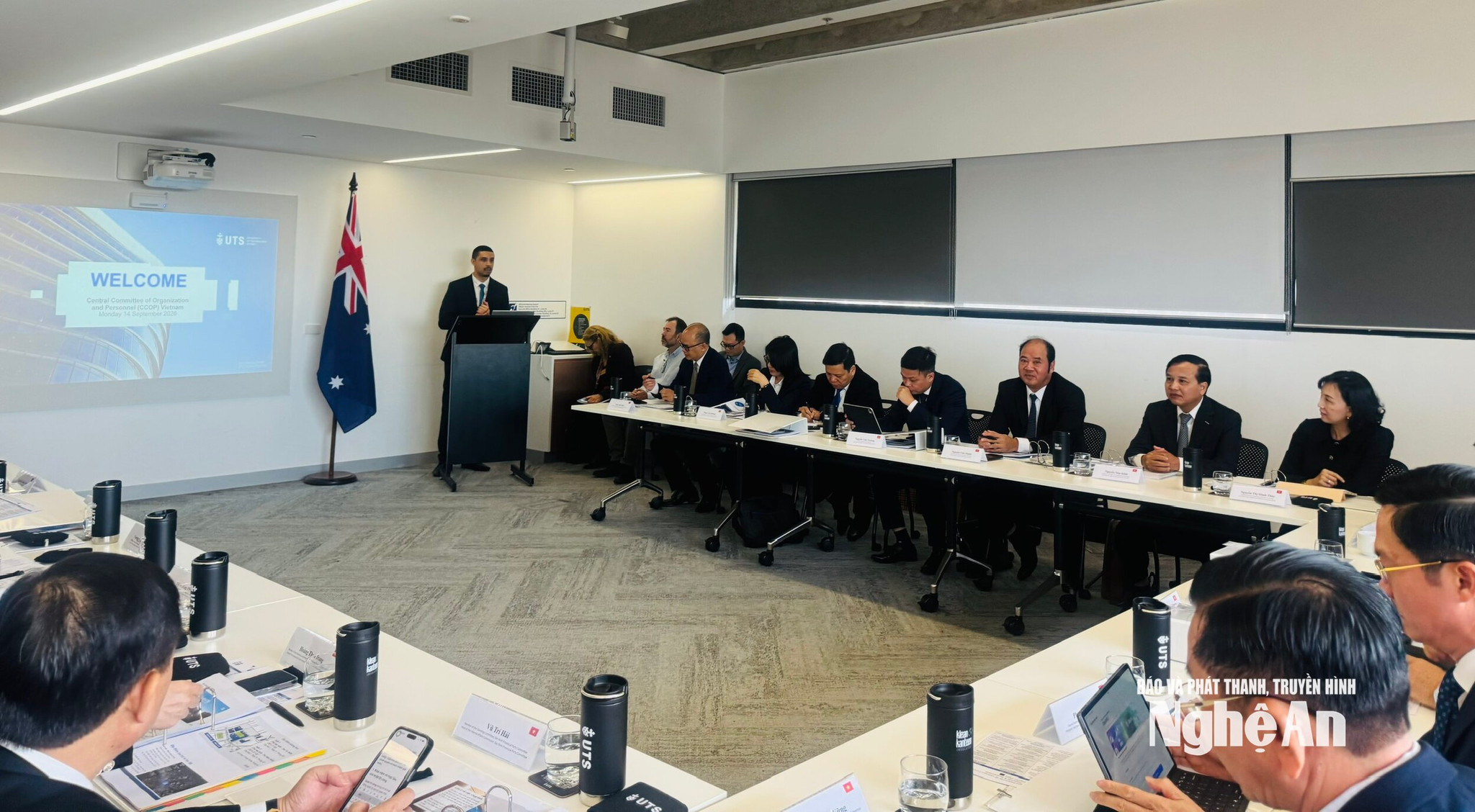
Learning about digital transformation and modern public administration, particularly through the content we received at the University of Technology Sydney recently, we realized that AI is not just a technology story. Behind it lies issues of mindset, organizational skills, data quality, and the ability of people to adapt to the rapid changes of the times. Many people know about and are using AI, but harnessing the true value of this technology is another story altogether.

Simply put, AI is a technology that allows computers to perform tasks that typically require human cognitive abilities, such as image recognition, language processing, data analysis, pattern making, forecasting, or creating new content. While conventional software primarily operates according to pre-programmed rules, many current AI systems are capable of learning from data to identify relationships and produce results in different situations.
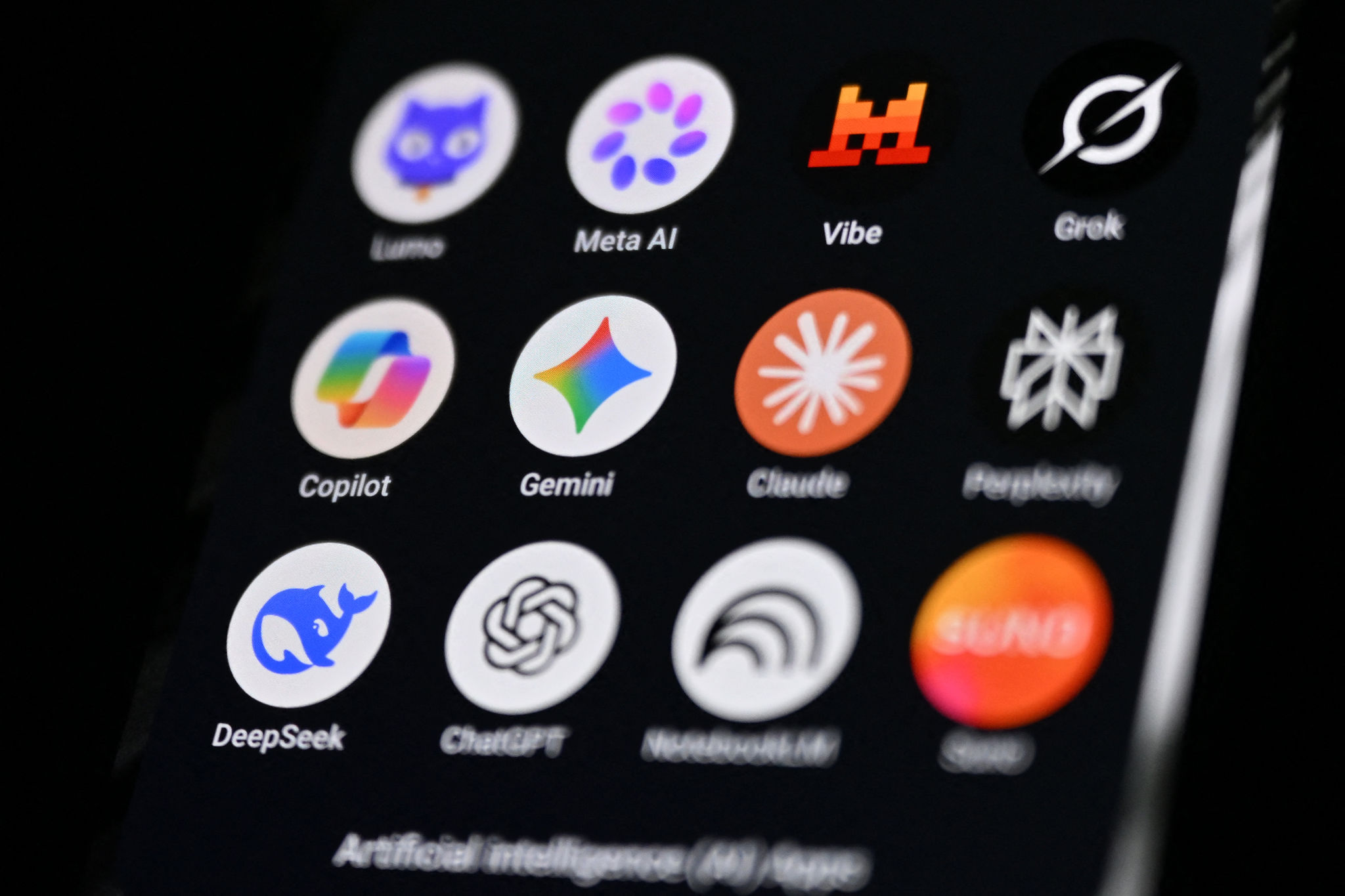
AI has a history of research spanning decades. With the development of computing power, big data, and machine learning models, significant advancements have been made in recent years. In particular, the emergence of generative AI has brought this technology closer to the general public. Instead of using complex technical commands, users can ask questions in everyday language, request explanations of problems, summarize documents, create drafts, or suggest solutions to tasks…
Perhaps it is this convenience that has led to the rapid development of AI in daily life. A professional can use AI to synthesize documents for a meeting; a teacher can refer to methods for building lesson plans; an agricultural worker can learn about crop care techniques; a business can analyze the market and create promotional content for products... Tasks that previously required a lot of time or the support of many people can now be done faster and more efficiently, especially in the preparation and initial information processing stages. Professor Diep N. Nguyen - Head of the 5G/6G Laboratory, University of Technology Sydney, said: In terms of economic potential, artificial intelligence is predicted to contribute nearly US$7 trillion annually to the global economy; about 80% of workers and 40% of businesses have already used this tool to varying degrees. Sundar Pichai - CEO of Google and Alphabet, assessed:"I've always considered AI to be the most profoundly impactful technology humanity is developing."…more profound than fire or anything else we have ever created in the past.”

But AI is not an all-knowing machine that simply responds to human requests. The answers may be coherent, the wording persuasive, but the underlying content can still be inaccurate. In reality, users have shown that AI can misinterpret data, misinterpret text, ignore important conditions, or make judgments that don't reflect reality. The ability to generate answers doesn't guarantee they'll always be correct. This is something anyone using AI needs to understand from the outset. Because if we only see the convenience without understanding the technology's limitations, we can easily shift from using AI as a support tool to becoming dependent on it in our thinking and decisions.

Ultimately, the value of a technology lies not in claims about its capabilities, but in its tangible results. With AI, examples from healthcare, education, manufacturing, and public administration demonstrate that this technology can create significant changes if applied correctly.
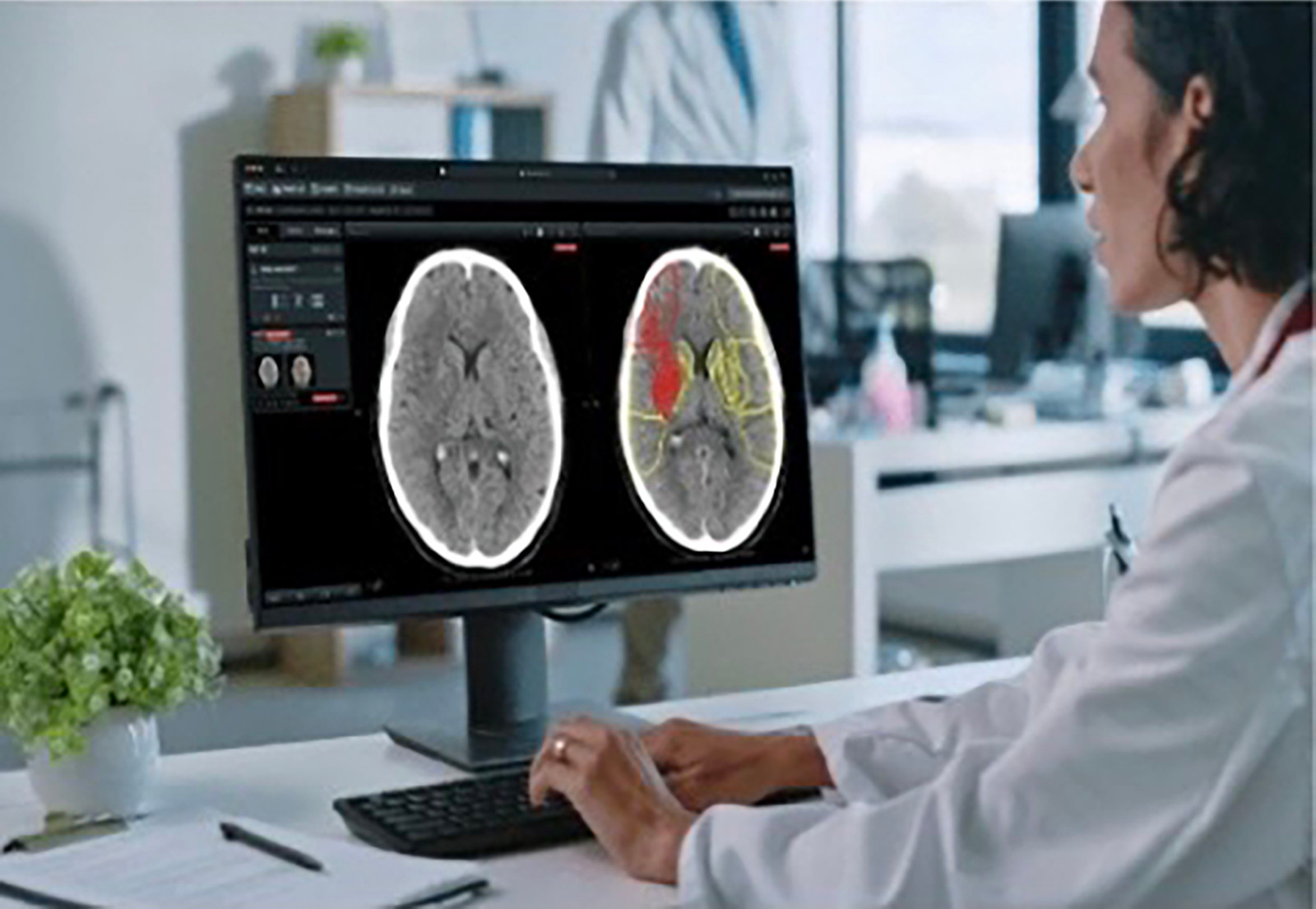
In the healthcare field, AI can assist doctors in image analysis, aid diagnosis, detect abnormalities, and identify cases requiring priority treatment. A specialized paper on the application of artificial intelligence and big data in public services, authored by Professor Diep N. Nguyen, cited a case in the UK where an AI system assisted in stroke diagnosis, reducing diagnosis time from 140 minutes to 79 minutes; the reported rehabilitation rate increased from 16% to 48%. In the United States, computer vision technology is used to assist in the detection of precancerous polyps during colonoscopy…
These examples raise many points for consideration. In healthcare, sometimes the difference lies not only in how many minutes a process is shortened, but also in the chance of earlier disease detection and more timely treatment. Of course, specific results need to be considered within the application conditions of each system. AI does not replace the expertise and personal responsibility of doctors for the health and lives of patients; but if used effectively, AI can be a valuable assistant to medical professionals in modern medicine.
In education, AI opens up a more flexible approach to knowledge acquisition. Learners can request explanations of concepts in multiple ways and explore issues not fully covered in textbooks. Teachers can use it to formulate questions, prepare learning materials, and design activities appropriate to students' levels. However, if students only use AI to do assignments for them, and teachers only use technology to create pre-made content, the benefits of AI could negatively impact learners' critical thinking and creativity. It's important to note that technology should help learners understand more deeply, ask better questions, and develop self-learning abilities, not replace the thinking process, especially the boundless creativity of humans.
In agricultural production, AI can support demand forecasting, equipment malfunction detection, quality control, crop monitoring, and market analysis. From managing raw material areas, forecasting yields, monitoring pests and diseases to tracing origins and promoting OCOP products, AI can help producers access information faster, organize production more scientifically, and find markets more effectively. Of course, simply introducing an AI tool cannot immediately solve the difficulties of agricultural production. For AI to be effective, reliable data, appropriate production processes, connectivity infrastructure, and users with sufficient skills are necessary. Technology can support the selection of production and business options, but product quality, production organization, and market linkages remain the decisive factors determined by the producers and businesses themselves.
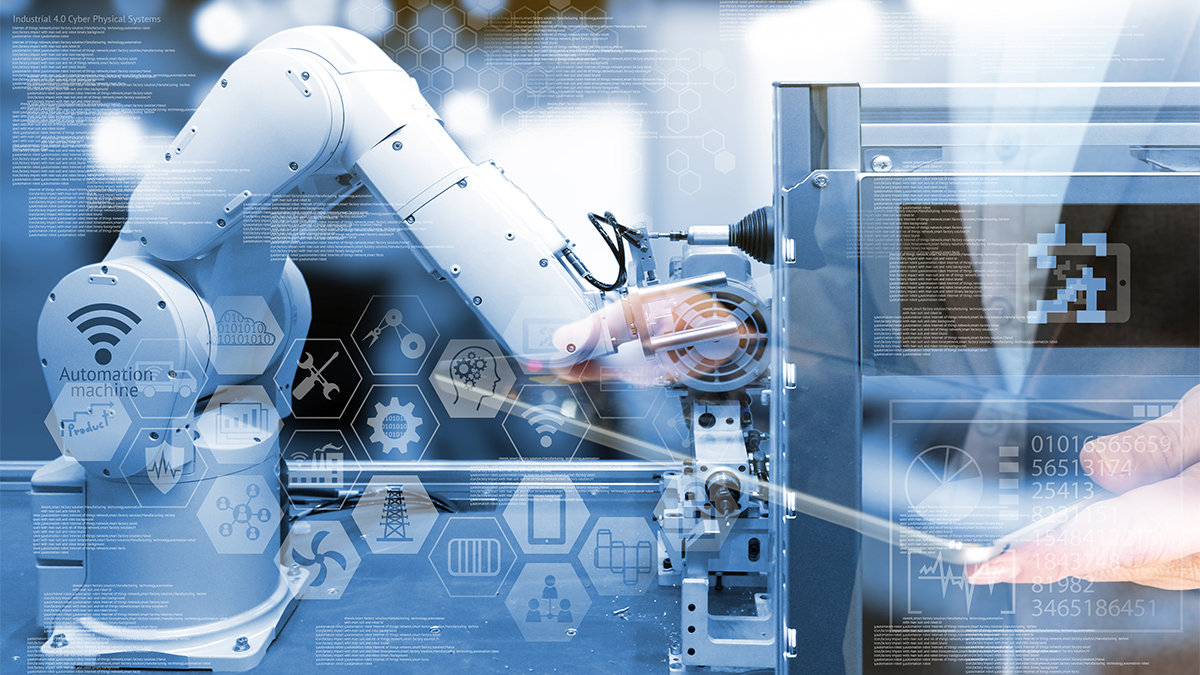
Another particularly significant area is public administration and public service delivery. From the discussions at the University of Technology Sydney, we noted the approach of viewing AI as a tool to enhance the efficiency of the system, rather than simply a means of modernizing certain tasks. According to a specialized paper, in France, a system supporting the drafting of responses to citizen petitions reduced processing time from 19 days to 3 days, while increasing satisfaction by 11%. This example shows that the application of AI in the public sector doesn't necessarily have to start with massive systems or costly investment projects. Sometimes, efficiency comes from effectively solving a very specific task: reducing report compilation time, shortening document retrieval processes, classifying citizen feedback, or assisting officials in preparing solutions to a problem. However, it's always important to remember that the person using AI in this work must still retain the role of reviewer and bear legal responsibility when deciding on the final response content, rather than blaming the AI when mistakes occur.
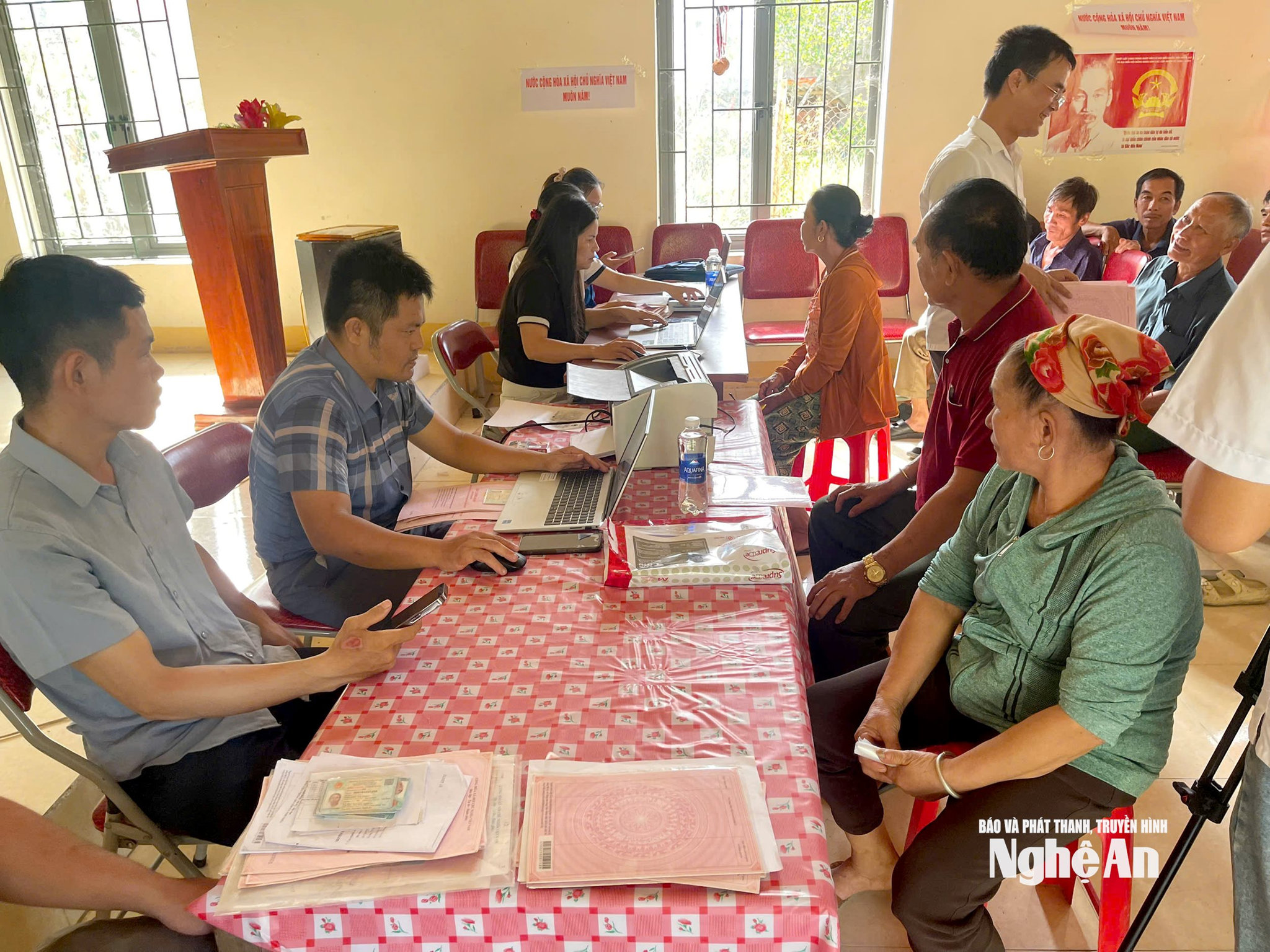
For local government operations, AI can support the aggregation of socio-economic data, compare performance indicators, systematize feedback from the grassroots, and prepare documents for meetings. If data is well-organized and systems are interconnected, the technology can help identify issues of concern, providing managers with more information to consider and choose solutions. The key is to avoid the misconception that simply introducing AI into work automatically leads to digital transformation. If data remains fragmented, with each unit managing its own system and processing procedures lacking interconnectedness, AI will struggle to fully realize its value in a digital transformation environment.

From the examples above, it can be seen that AI opens up many opportunities, but these opportunities only translate into significant results when people know how to use the technology proactively. AI should not be viewed as a miracle that can solve all problems, nor should it be considered the sole responsibility of technology experts.
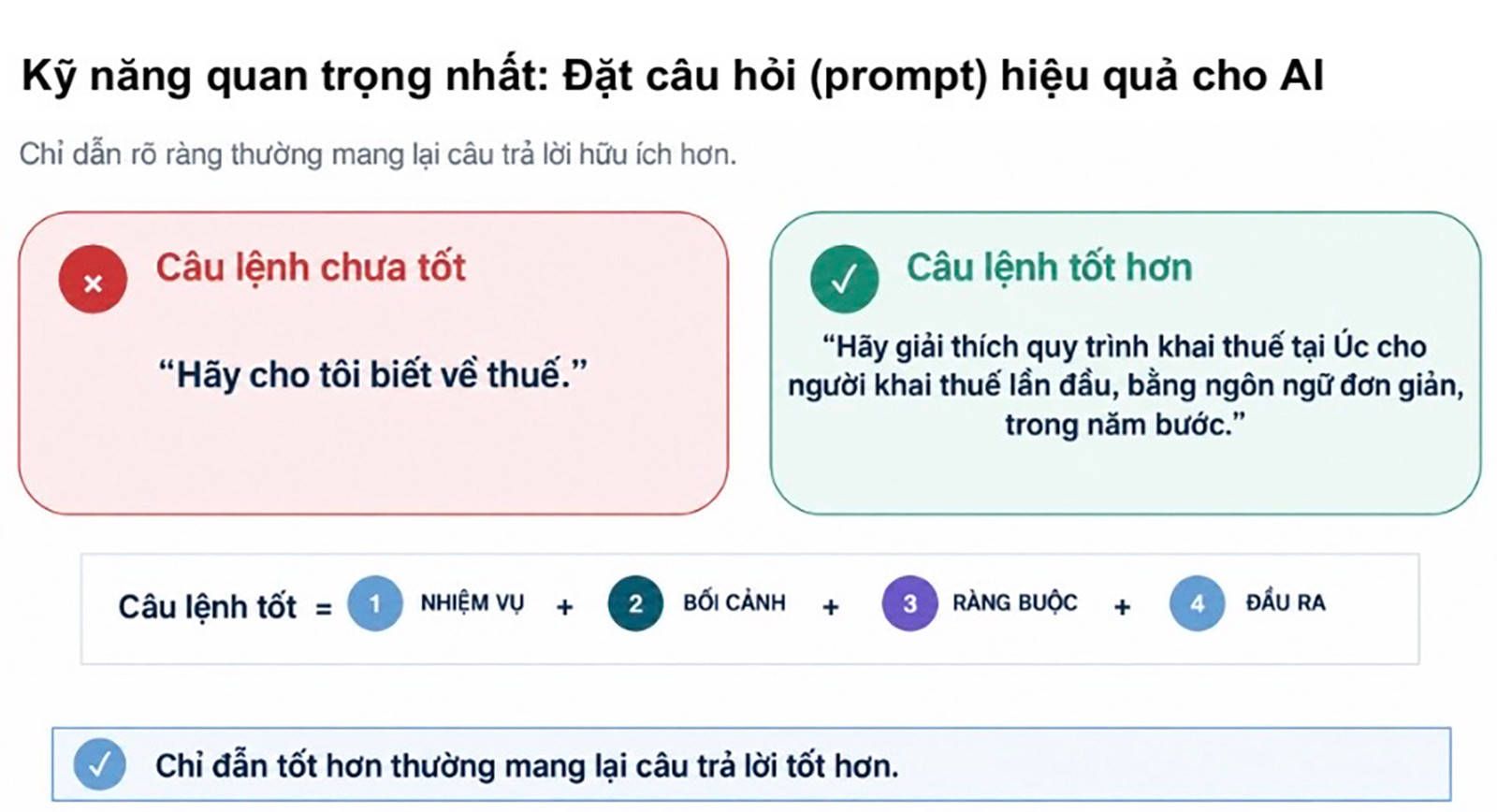
The first,Users need to learn how to ask questions and assign tasks to AI. The clearer the requirements regarding purpose, context, input materials, limitations, and desired outcomes, the more accurately the tool will provide answers that meet their needs. Instead of simply requesting a generic report, users need to clearly define who the report serves, what documents it is based on, what issues need clarification, its length, and what information must remain unchanged. Then, further discussion, requests for explanations, comparisons, and revisions are necessary. In other words, using AI effectively is a thinking process, not just simple manipulation of software.
Monday,Data standardization and enrichment must always be prioritized. AI can process large volumes of information quickly, but it cannot automatically transform inaccurate data into reliable evidence. For deeper application, agencies and organizations need to focus on standardizing, updating, classifying, and connecting data; clearly defining the source of information, access rights, and management responsibilities. This is a less-noticed aspect, but it is crucial for consistent and long-term effectiveness.
Tuesday,The capabilities of AI users need to be enhanced. AI training shouldn't just be limited to introducing a few tools or providing basic operation instructions. More importantly, it should help individuals choose suitable applications, verify results, identify risks, and take responsibility for the final product. Each profession and position requires a unique approach, tailored to its specific tasks. For government agencies, training should begin with areas of clear need, high workload, and measurable results. After a pilot period, it's necessary to evaluate how much time AI has saved, how the quality of work has improved, whether citizens are better served, and whether the costs are commensurate with the benefits. Based on this, decisions should be made on expanding, adjusting, or discontinuing ineffective applications.
Furthermore, it is necessary to strengthen cooperation between management agencies, businesses, universities, and research institutions. Not every locality or unit has sufficient resources to build its own data systems. Therefore, building and exploiting shared data platforms, sharing experiences, and choosing solutions that suit local conditions will be more practical than blindly following widely promoted technological models.

AI can speed up work, but it doesn't necessarily mean it's more accurate. This is a limitation that needs to be remembered in all fields, especially those related to law, finance, healthcare, citizens' rights, and management decisions. A confidently presented, coherent answer can still be wrong. AI can miscalculate data, cite incorrect texts, ignore context, or provide unsubstantiated information. Therefore, users need to develop the habit of verifying important content from original documents and official sources. For information with significant impact, decisions cannot be made solely based on AI-generated answers.
Protecting personal data and internal information is also a matter that cannot be overlooked. When using AI platforms, caution is needed regarding citizen records, health data, identifying information, confidential documents, and unauthorized content. Before inputting data into a system, it is necessary to understand the policies on data storage, use, and protection, and to comply with relevant regulations. The convenience of technology cannot be a reason to disregard privacy or data security.

Another risk is information bias and the potential for AI to make judgments without context. The data the system learns from may contain biases that exist in reality. Therefore, the results provided by AI are not inherently objective, nor are they always applicable to all groups of people, all locations, and all circumstances. For applications that may directly affect citizens' rights, the need for verification, monitoring, and clear accountability must be prioritized.
In a paper at the University of Technology Sydney, one principle that was emphasized wasAI only plays an assistant role; the user is responsible for the results of their work.This should be considered a fundamental principle when applying technology in any agency, organization, or industry. AI can assist in processing information, offer suggestions, and help us see different options, but considering the context, evaluating the consequences, and making the final decision still remain the responsibility of the technology user.

More broadly, AI is demanding innovation not only in individual skills but also in how work is organized and society is governed. Those who effectively leverage technology can enhance productivity, expand access to knowledge, and dedicate more time to tasks requiring critical thinking, creativity, and experience. Conversely, if we passively use AI, simply copying answers without verification, we risk creating products faster but not necessarily better or safer. Therefore,The important thing is not to use AI as much as possible, but to use it correctly, in the right way, and to know how to control its limitations.
For Nghe An, as well as many other localities facing the need to innovate their growth models and improve governance quality, AI can open up promising avenues in manufacturing, education, healthcare, and public services. It is thought that, to realize these opportunities, concrete steps are needed: enhancing the digital capabilities of the workforce, building a high-quality data warehouse, selecting practical solutions, and evaluating effectiveness based on actual results, rather than just the number of tools used.

The AI revolution is still progressing at an increasingly rapid pace, and it's difficult to fully and accurately predict the changes this technology will bring in the coming years. But one thing is clear: adaptability will increasingly become a crucial advantage. Learning to use AI today is not just about solving immediate tasks, but also about preparing for an emerging way of working, learning, and managing. In reality, AI can help humans process more information, work faster, and access new possibilities. But technology cannot completely replace experience, the ability to understand circumstances, responsibility to the community, and ethical choices – the core values that define the role of human beings.
AI can be a powerful tool, but the direction and purpose of its use must be determined by humans. Along with many positive aspects, the seemingly limitless development of AI also poses urgent risks: the risk of humans losing control of systems, the potential for malicious forces to exploit the technology to develop weapons of mass destruction, and the growing threat of profound economic and political instability. The concern is that the author's sharing of AI above is only a small drop of understanding, like a drop in the ocean, compared to the vastness of human intelligence. However, it is necessary to understand correctly so as not to be afraid of the new; to proactively use it so as not to be left behind in development; and at the same time, to carefully verify it so as not to become dependent on machines and technology. A quote I always remember, immediately recalling it from a Vietnamese professor at the University of Technology Sydney:WHOAre notbodyAI can replace humans, but those who use it effectively will...earlyReplacing people who don't use AI.Perhaps this is something to consider in approaching, exploiting, and utilizing AI so that it truly becomes a driving force for innovation and sustainable development in today's life.(*)
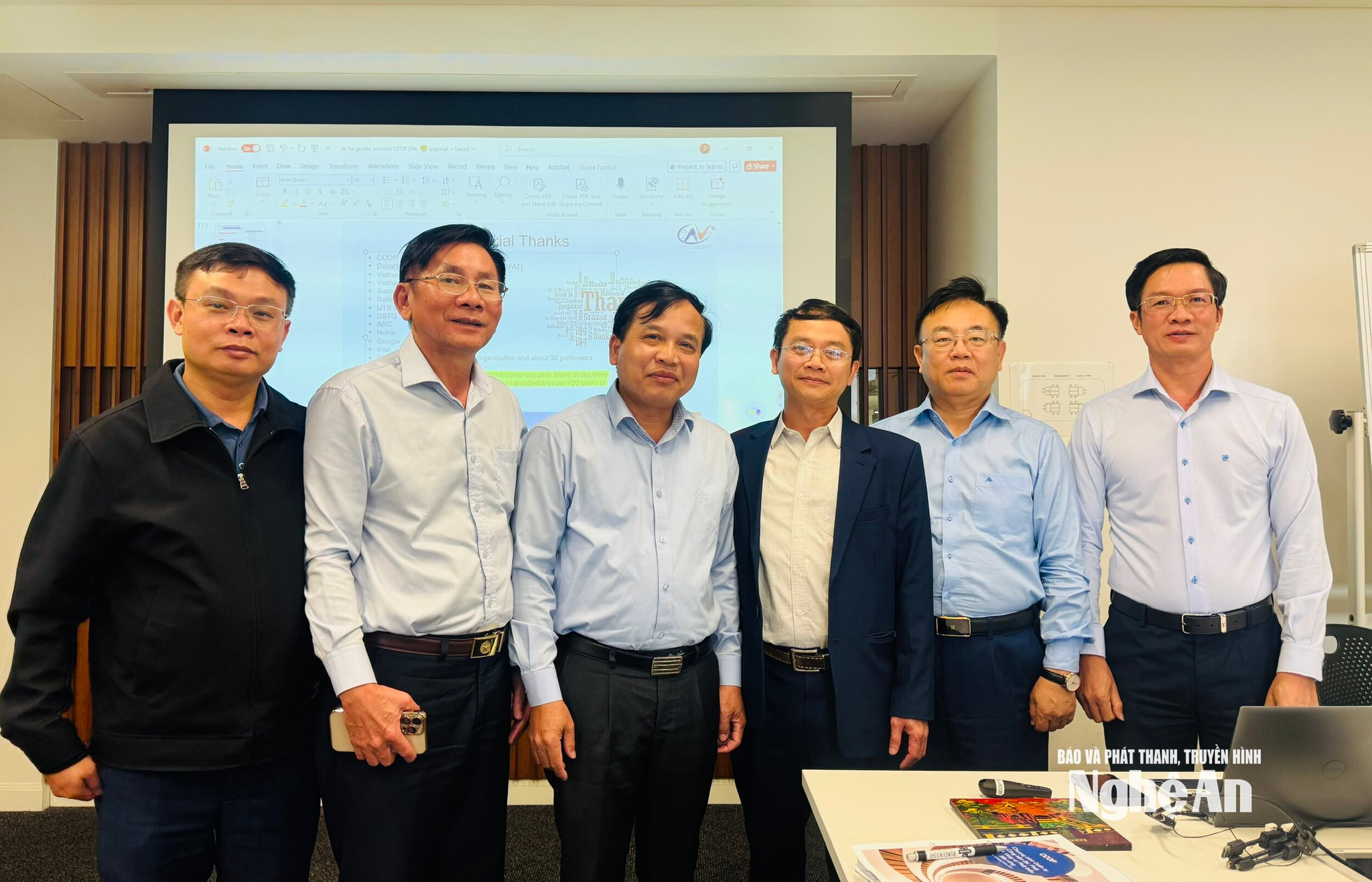
(*)This article draws on material from lectures by Professor Diep N. Nguyen - Head of the 5G/6G Laboratory, University of Technology Sydney, and uses ChatGPT to systematize the material and complete the draft.