
Who should not use herbal steam to treat colds and flu?
When to take a steam bath, how long to steam for, and who shouldn't steam?... These are all issues that require careful attention.
Cold weather creates favorable conditions for bacteria and viruses to thrive, causing colds and flu, especially in people with weak immune systems such as the elderly and young children. One of the effective methods for treating colds and flu is steam inhalation using leaves containing essential oils. However, when to steam, for how long, and who should avoid steaming are important considerations.
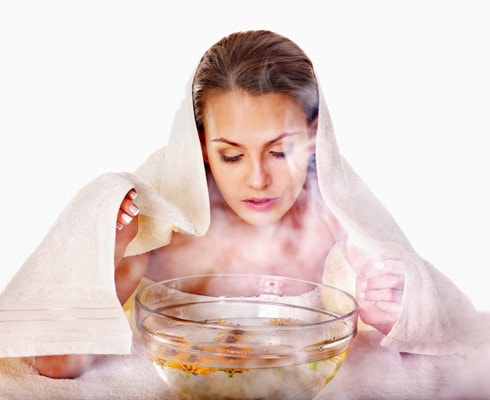 |
| Take precautions to avoid burns during a sauna session. |
This method can be used for both cold and fever. The leaves used to make the steam bath contain essential oils that help relieve cold symptoms and detoxify the body very effectively. The ingredients can include a combination of leaves such as: pomelo leaves, chrysanthemum, basil, mugwort, perilla, lemongrass, bamboo leaves, lemon leaves, mint, etc. These are all familiar medicinal plants that grow and thrive in home gardens and fields, are easy to find, and are effective in preventing and treating many diseases, especially colds.
- Bamboo leaves have the effect of reducing fever, calming the mind, clearing phlegm, inducing sweating, and disinfecting...
- Lemongrass leaves are good for digestion, have antiseptic and disinfectant properties, help expel phlegm, and treat diarrhea, bloating, and vomiting.
- Pomelo leaves are effective in relieving colds and aiding digestion.
- Mugwort regulates blood circulation.
- Peppermint has antibacterial and anti-inflammatory properties.
- Perilla leaves are used to dispel cold and treat colds;
- Holy basil has the effect of clearing heat and relieving external symptoms, promoting qi circulation, relieving intestinal pain, and eliminating dampness; it treats colds, headaches, and excessive sweating...
Normally, body temperature is maintained by circulation in the skin. When the body catches a cold, the pores become blocked by cold air, causing the body temperature to rise and resulting in symptoms such as fever, headache, nasal congestion, sore throat, dry skin, lack of sweating, discomfort, and body aches.
During steam inhalation, the hot steam dilates peripheral blood vessels, stimulates sweat glands, and eliminates toxins from the body. Essential oils from herbs are carried by the steam through the mucous membranes of the eyes, nose, ears, and skin, clearing the ducts of the eyes, nose, ears, and sinuses, helping to reduce pain, inflammation, headaches, dizziness, and shortness of breath, leaving patients feeling comfortable and relaxed.
According to VOV
| RELATED NEWS |
|---|


