
Who holds the world's largest strategic oil reserves?
The blockade of the Strait of Hormuz has forced dozens of countries to open their emergency oil reserves. So what are strategic oil reserves, and which country holds the largest global emergency-ready supply?
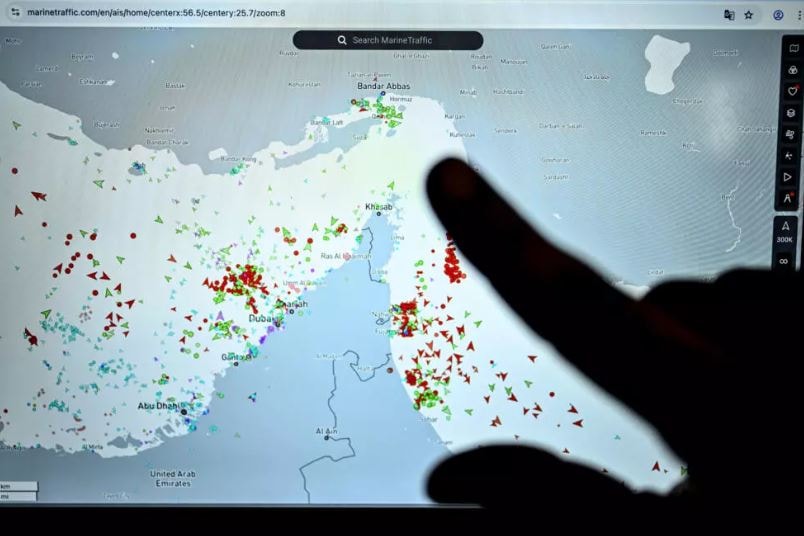
Entering its third week, the direct conflict between the US and Iran has caused the largest oil supply disruption in history. Oil prices surged to their highest level since July 2022 on the evening of March 15 (Washington time), as the Trump administration suggested the war with Iran could last for several more weeks and Trump called on the international community to help reopen the Strait of Hormuz to oil tankers.
Brent crude oil, the global benchmark, rose 2.9% to around $106.12 per barrel. US crude oil prices increased 2.6% to $101.53.
Last week, when 32 countries decided to release crude oil from their emergency reserves to curb the soaring price of oil, the move was quickly overshadowed by Iran's escalating attacks in the Strait of Hormuz.
On March 11, members of the International Energy Agency (IEA) – an alliance of major energy-consuming nations – agreed to release hundreds of millions of barrels of oil from their strategic reserves.
Instead of pushing oil prices down, Brent crude oil edged up to around $100 (€87.30) per barrel, after briefly touching a peak of $119.50 per barrel during the trading session.
At the same time as the above statement, Iran intensified its attacks in and around the Strait of Hormuz, targeting numerous commercial vessels, including oil tankers and cargo ships, with missiles, drones, and explosives.
Iranian Foreign Minister Aragchi asserted on March 15 that the Strait of Hormuz is not being blockaded. "It is only closed to American and Israeli ships and oil tankers, not those from other countries."
Nevertheless, major oil producers in the region, including Saudi Arabia, Iraq, Kuwait, and the United Arab Emirates (UAE), have also had to cut production as their domestic storage facilities are nearly full, further raising deep concerns about the stability of the energy market.
What is a strategic oil reserve?
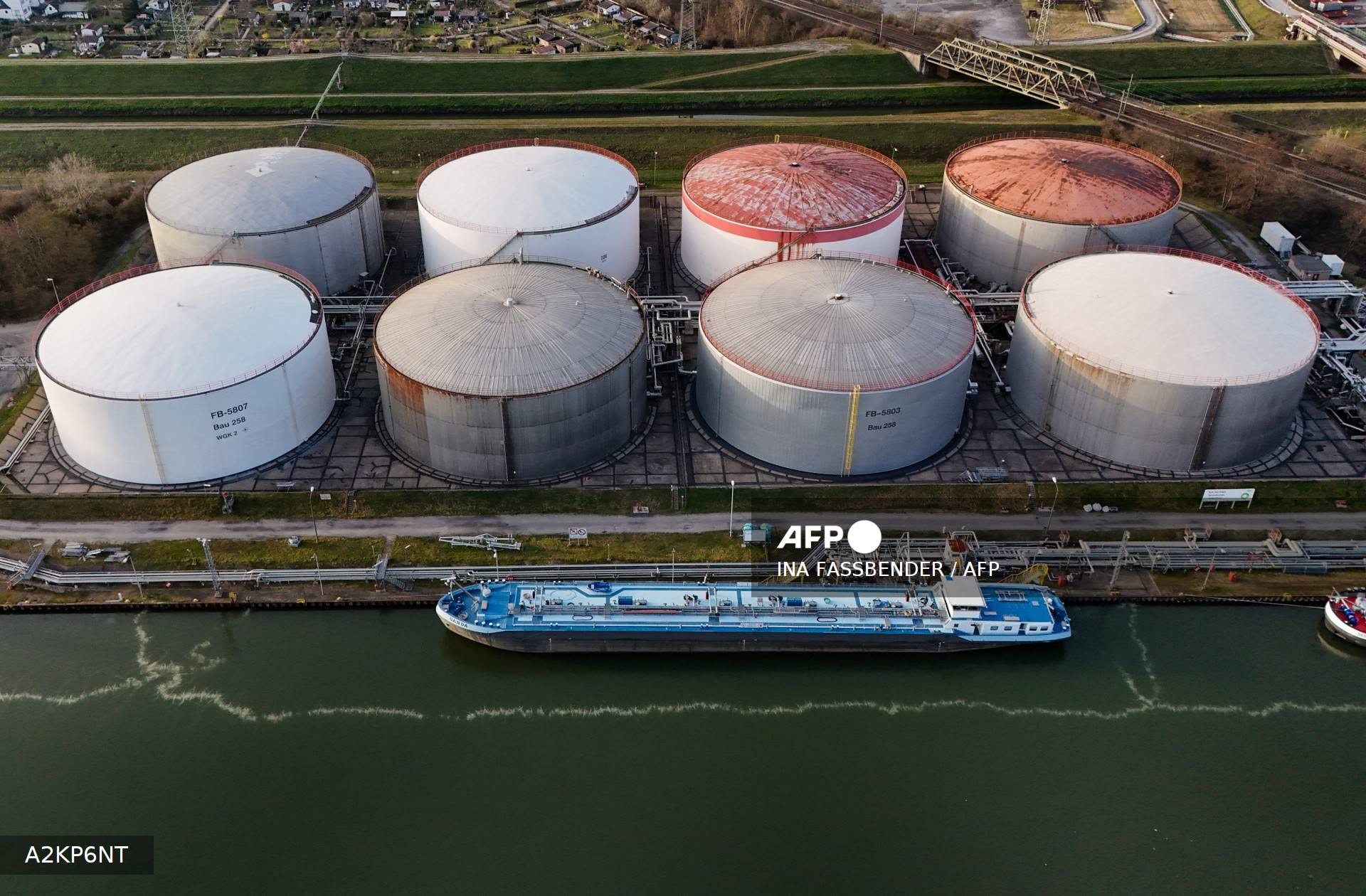
Strategic oil reserves are government-controlled stockpiles of crude oil maintained for use in situations of supply disruption or market emergencies.
The first modern oil reserves were established by the United States in 1975, after the Arab embargo exposed a critical weakness in the global energy supply system. That shock caused oil prices to quadruple, resulting in severe fuel shortages across the West and demonstrating how vulnerable economies are to sudden supply cuts.
Today, dozens of countries, mostly IEA members, maintain strategic reserves as part of a closely coordinated system to protect energy security.
In total, IEA member countries maintain more than 1.2 billion barrels of public emergency oil reserves, along with approximately 600 million barrels held by the private sector (industries).
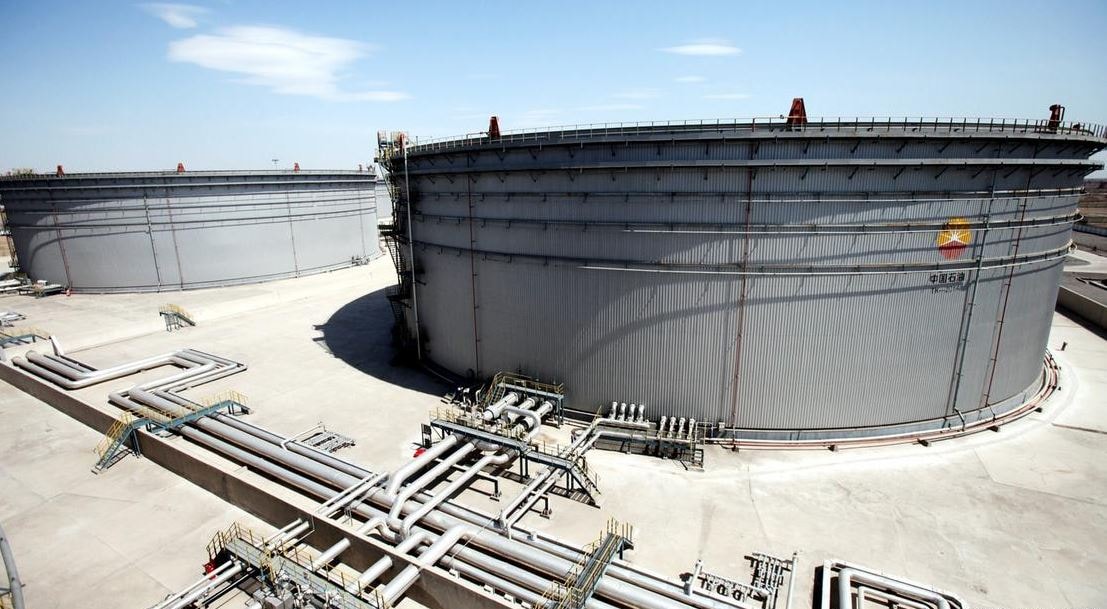
China is believed to possess the largest emergency energy reserves, followed by the United States. While Beijing keeps the exact figures secret, the maritime and energy data analytics firm Vortexa estimates the country's total reserves to be around 1.3 billion barrels. This massive reserve is thought to be sufficient to power the Chinese economy for 3-4 months.
The U.S. federal reserves of 415 million barrels, supported by an additional 439 million barrels in privately owned stocks, provide more than 40 days of emergency supply.
How much oil have IEA members agreed to release?
The IEA said its members would release 400 million barrels of oil from their emergency reserves. For comparison, in 2022 – the year the Russia-Ukraine conflict broke out – the previous record release was only 182 million barrels.
The Paris-based energy agency said the reserves would be released onto the market gradually, depending on the specific circumstances of each country.
The United States will lead the way by contributing 172 million barrels from the Strategic Petroleum Reserve (SPR), starting next week. The US oil release plan is expected to be implemented within 120 days.
Japan announced it will release approximately 80 million barrels, equivalent to about 45 days of domestic supply, drawn from both private and state-owned reserves. Other contributing countries include Germany, Australia, France, South Korea, and the United Kingdom.
IEA members are required to maintain emergency reserves equivalent to approximately 90 days of net oil imports. However, an exception allows major exporting countries such as the United States – the world's largest oil producer – to maintain lower reserve levels.
Net exporting countries like Canada, Mexico, and Norway do not have national emergency reserves, but can tap into commercial reserves during times of crisis.
The US SPR (Strategic Precipitator) holds only crude oil, stored in underground salt caverns along the Gulf Coast. Other countries, including those in Europe, maintain a greater diversity of products in their strategic reserves, including gasoline, diesel, and aviation fuel.
China, a country that is not a full member of the IEA, has not made any similar announcements, instead prioritizing ensuring domestic supply security by temporarily suspending exports of refined fuels. Beijing's latest five-year economic plan, just released, calls for further expansion of its strategic oil reserves, continuing a long streak of aggressive stockpiling.
Will releasing oil from storage facilities help cool down oil prices?
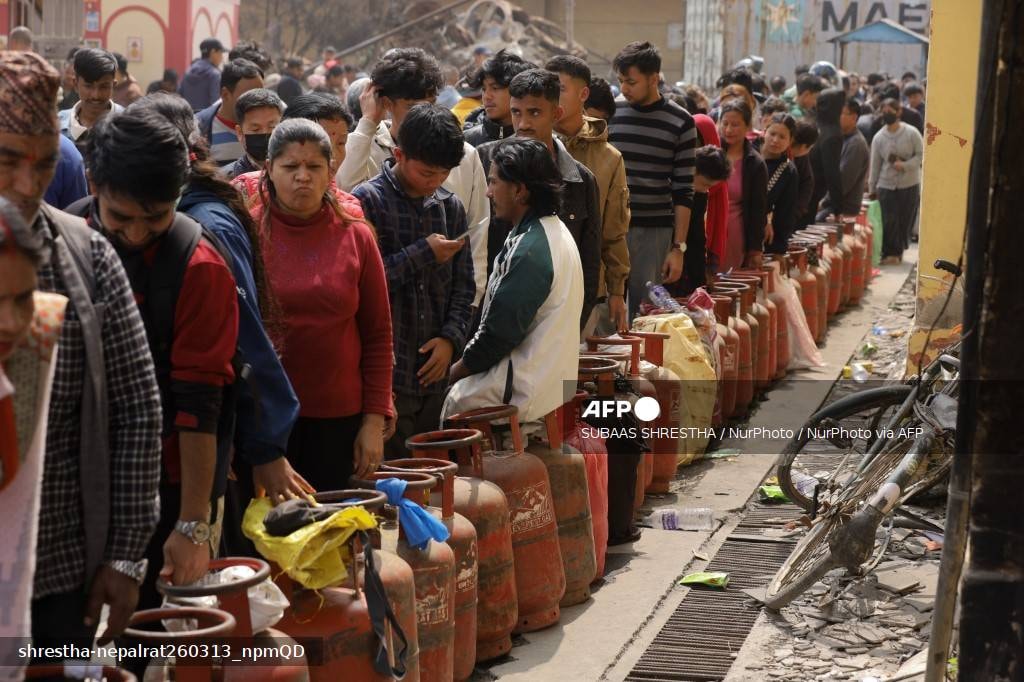
Analysts in the oil industry believe that releasing strategic reserves may alleviate immediate pressure on the market, but this move rarely results in a significant or sustained drop in prices.
These stockpiling releases primarily serve the purpose of signaling solidarity and additional supply, thereby reassuring traders that governments are prepared to intervene if shortages worsen.
The IEA acknowledges that this release can only compensate for about 3-4 weeks of lost oil flow from the Gulf region. Therefore, although this move may help lower oil prices by a few dollars, its effect is predicted to be very limited due to the small volume released compared to the global oil market of 100 million barrels per day.
Analyst David Morrison at UK brokerage firm Trade Nation was quoted by AFP as saying that if the simultaneous actions of dozens of countries were "aimed at curbing prices, they have failed miserably." He noted that the market may have interpreted the move as "panic," given Iran's effective blockade of the key choke point of Hormuz and recent escalations.
London-based research firm Capital Economics predicts that prices are likely to continue rising if the Strait of Hormuz remains closed for a longer period.
"Although the IEA will still have oil reserves to exploit after this release, a longer conflict could lead to losses greater than the total reserves that IEA members directly hold," Hamad Hussain, climate and commodity economist at Capital Economics, wrote in a research report.


