
Alef Model A: Commercial flying car priced at 8 billion VND, delivery coming soon.
Alef Aeronautics has begun production of its first batch of Model A flying cars, priced at £235,000, with a range of 177 km. It has already received 3,500 pre-orders and is expected to be delivered from 2026.
Alef Aeronautics announced that a simplified version of the Model A flying car, which has been under development for over a decade, has entered production and is preparing to deliver the first vehicles to customers. Each Model A costs £235,000 (approximately 8 billion VND), has a maximum range of 177 km, and the first orders are expected to be delivered from 2026.
The Model A flying car moves from the laboratory to the market.
According to published information, Alef Aeronautics has begun production of the first Model A flying cars at its Silicon Valley, California factory. This marks a significant transition from the research and testing phase to preparation for practical application.
The first batch of vehicles was handcrafted and delivered to a limited number of customers. The main objective was to test the Model A in a real-world operating environment, thereby identifying and addressing potential problems before considering mass production.
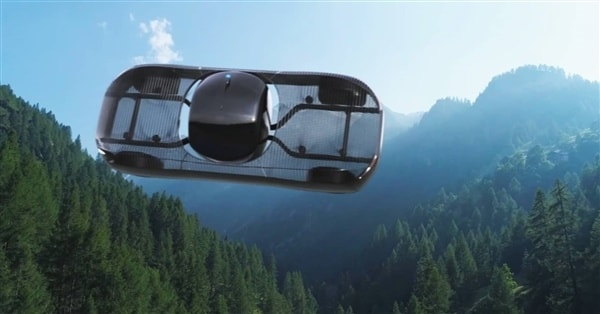
Unlike other flying taxi models that rely on airports or dedicated landing sites, Alef emphasizes that the Model A is a fully electric vehicle, capable of traveling on public roads and possessing vertical take-off and landing capabilities. The company aims for a vehicle that can be used daily like a car, while also expanding its air travel capabilities when needed.
Carbon fiber mesh body design and unique structure.
Weighing approximately 385 kg (850 lbs), the Model A is significantly lighter than conventional electric vehicles, reflecting the unique requirements of a vehicle that must simultaneously meet the demands of both flying and road driving. The body is designed as a mesh structure using carbon fiber, measuring approximately 5 m x 2 m, allowing for air circulation within the structure.
The grid design not only reduces weight but also creates space for four powerful propellers arranged around the cockpit area. This layout allows the Model A to take off and land vertically, like a multi-rotor aircraft.
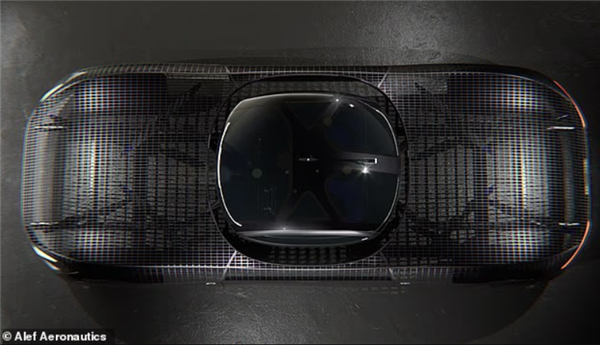
On the ground, the Model A uses four drive motors, one at each wheel. This arrangement allows the vehicle to operate similarly to a four-wheel-drive electric car, while also serving as a conventional road vehicle.
Basic specifications of Alef Model A
| Vehicle type | Electric flying cars, capable of vertical take-off and landing. |
|---|---|
| Ground drive system | Four drive motors, one for each wheel. |
| Weight | 385 kg (850 lbs) |
| Body dimensions | Approximately 5 m x 2 m |
| Body structure | Mesh type using carbon fiber |
| Number of propellers | Four fans are arranged around the driver's seat. |
| Maximum speed when driving on public roads | 40 km/h |
| Road range | 200 miles (321 km) |
| Maximum flight speed | 110 mph (177 km/h) |
| Maximum flight range | 110 miles |
| Fuel | Completely electric |
| Published price | £235,000 (approximately 8 billion VND) |
| Pre-orders | Deposit $150 or reserve a priority spot for $1,500. |
| Number of pre-orders | 3,500 applications, totaling over $1 billion. |
| Estimated delivery time | From 2026 |
Operates on the road like an electric car, takes off like an airplane.
Thanks to its four drive motors, one at each wheel, the Model A is designed to provide a driving experience similar to a conventional electric car when traveling on land. Its 200-mile (321 km) range and top speed of 40 km/h make it suitable for short to medium journeys, in urban or intercity conditions.
When airborne travel is required, a powerful four-propeller system surrounding the driver's seat lifts the vehicle off the ground. The mesh body allows airflow through the structure, aiding flight and reducing overall weight.
The stated top speed is 110 mph (177 km/h), with a range of approximately 110 miles. This suggests the Model A was designed for relatively short flights, such as inter-regional travel, rather than long-distance journeys.
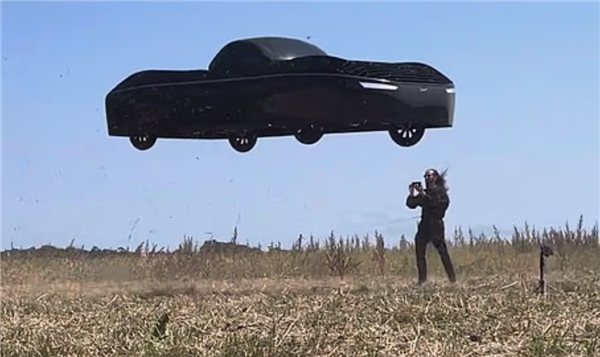
Earlier this year, Alef released a video showing the Model A taking off from a parking position and flying past a Tesla Cybertruck. The video was used to demonstrate the vehicle's actual flight capabilities, rather than just being a concept model.
Special certification from the FAA and a cautious deployment strategy.
Alef stated that the Model A was the first aircraft to receive special airworthiness certification from the U.S. Federal Aviation Administration (FAA). It was also the first aircraft to receive pre-orders from auto dealers, demonstrating a strategic move to integrate the product into the automotive industry's established distribution network.
The slow rollout of the Model A, with the initial batch reserved for a limited group of customers, was designed to gather real-world usage data and refine the product before scaling up production. This approach also gave Alef more time to work with regulatory bodies on safety and operational regulations.
Pricing, pre-orders, and delivery schedule
Each Alef Model A costs £235,000, which is approximately 8 billion VND according to sources. On its official website, Alef allows customers to place a $150 deposit for a regular pre-order or $1,500 for a priority pre-order.
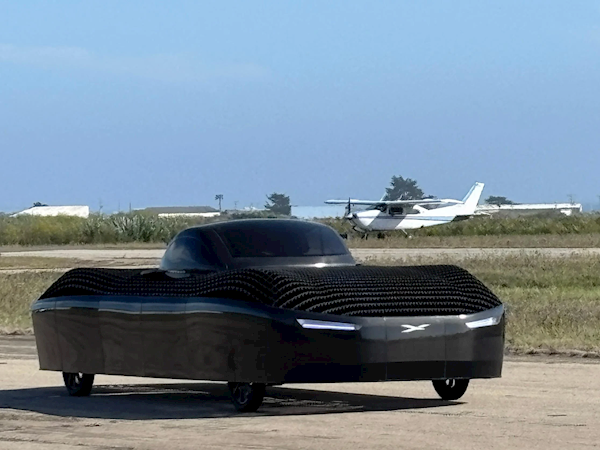
The company said it has already received 3,500 pre-orders, totaling over $1 billion. The first orders are expected to be delivered starting in 2026, but the exact timing depends on production progress, real-world testing, and further regulatory approvals.
Unanswered questions
Current information primarily focuses on the Model A's flight capabilities, range, weight, and overall structure. Other factors such as interior details, seat layout, specific engine power, battery capacity, or pilot training procedures have not yet been disclosed.
Furthermore, operating a vehicle capable of both driving on public roads and flying in the air also requires appropriate infrastructure, traffic regulations, and a suitable legal framework. These factors will play a crucial role in determining the applicability of Model A in daily life once the product is delivered to customers.
In this context, the Model A is currently seen primarily as one of the first experimental steps to bring the flying car concept into the initial commercialization phase, with a cautious deployment roadmap and a focus on limited batches of vehicles.


