
India upgrades its Su-30MKI fleet to the 4.7th generation Super Sukhoi standard with domestically produced AESA radar.
The Indian Air Force's project to modernize 200 Su-30MKI aircraft, equipping them with Virupaksha radar and AI technology, lays an important groundwork for the production of the Su-57 stealth fighter.
The Indian Air Force (IAF) is undertaking a large-scale upgrade program for its Su-30MKI fleet, bringing this flagship fighter jet to "Super Sukhoi" standards. Aimed at achieving 4.7th-generation fighter combat capabilities, the project focuses on replacing outdated systems with domestically produced technology and next-generation hardware from Russia.
Modernization roadmap for over 200 Su-30MKI fighter jets.
The upgrade program is being led by Hindustan Aeronautics Ltd (HAL). The first phase will focus on a batch of 84 aircraft, with deliveries expected between 2028 and 2030. Subsequently, the remanufacturing and modernization process will expand to the entire fleet of up to 200 aircraft, aiming for completion in the early 2030s.
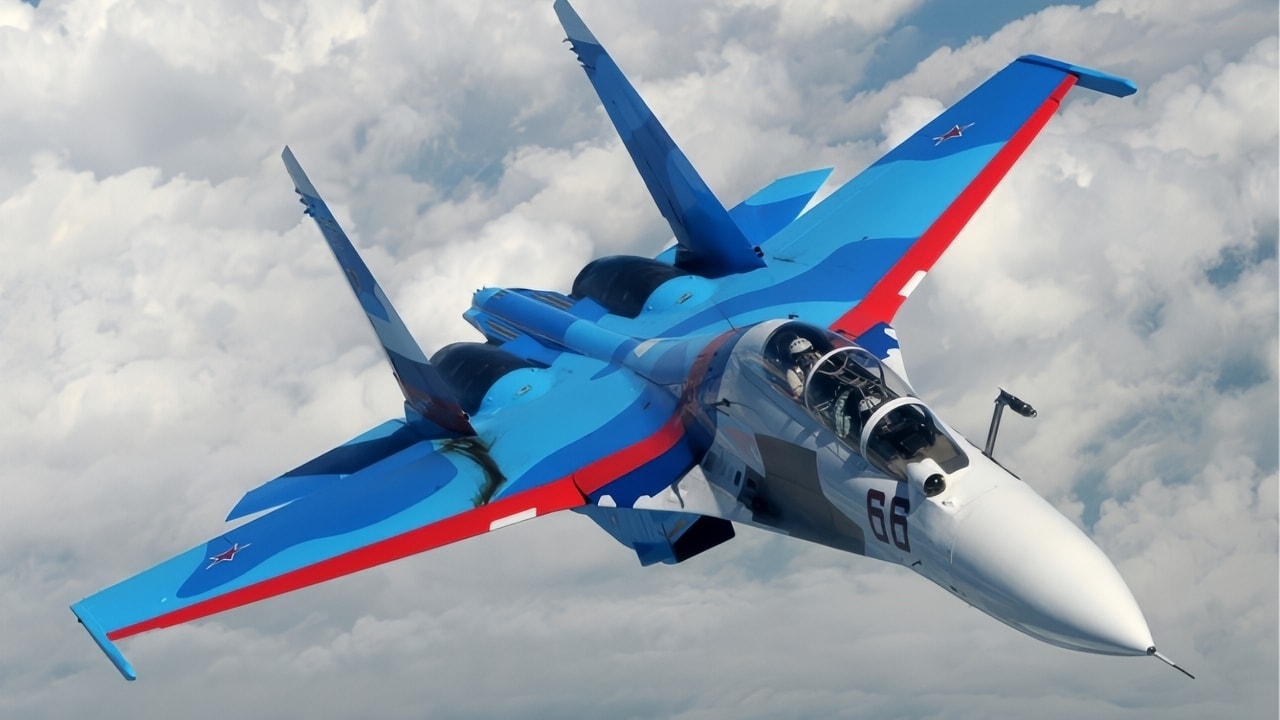
A breakthrough with the domestically produced Virupaksha AESA radar.
The centerpiece of the upgrade package is the Virupaksha active electronically scanned array (AESA) radar, manufactured by the Defence Research and Development Organisation (DRDO) of India. This system utilizes Gallium Nitride (GaN) technology with up to 2,400 transceiver modules (TRMs), an unprecedented number for similar phased array radar designs.
The Virupaksha radar is capable of detecting stealth targets at a distance of 210 km. For conventional targets, the scanning range can be doubled. Notably, despite being more powerful, the new radar system weighs only about 295 kg, significantly lighter than Russia's older N011M PESA radar. This contrasts with the typical weight increase seen when switching from PESA to AESA radars on Western aircraft such as the Dassault Rafale.
AI-powered avionics and more powerful engines.
Besides radar, the "Super Sukhoi" will be equipped with a new AI-powered avionics system. This system allows for the replacement of most of the older digital equipment, similar to how Russia upgraded the Su-30SM to the Su-30SM2 standard. According to statistics, approximately 78% of the onboard systems of the new version will be manufactured in India.
Regarding engines, the aircraft is expected to be equipped with the AL-41F-1S series (the 117S type currently used on the Su-35), combined with a redesigned airframe to extend its operational lifespan by another 30 years.
Strategy towards producing the Su-57 stealth fighter.
The Super Sukhoi project is seen as a strategic stepping stone for India to access 5th-generation fighter jet technology. Russia has made unprecedented offers, such as providing full access to the source code of the Su-57 Felon and allowing licensed domestic production in India.
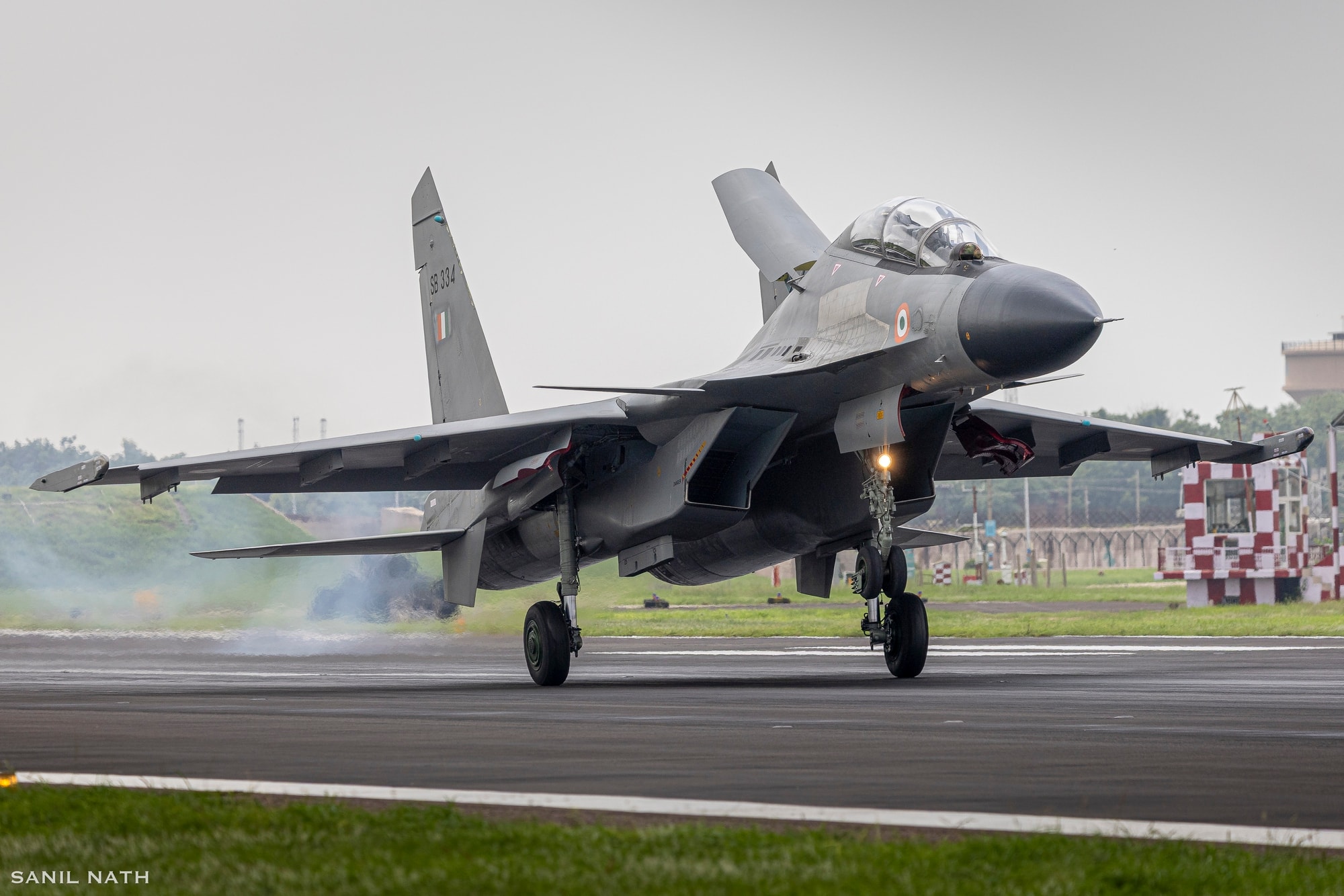
In particular, Russia is also considering allowing India to install the domestically developed Virupaksha radar on its domestically assembled Su-57 aircraft, instead of using the original N036 Belka radar. In-depth technical discussions on this matter began in early 2026.


