
India significantly increased palm oil imports in January 2026 to a four-month high.
India's palm oil imports reached 766,000 tonnes in January 2026 thanks to its low price advantage, while soybean oil imports fell to their lowest level in 19 months.
India, the world's largest importer of vegetable oils, recorded palm oil imports of 766,000 tonnes in January 2026. This is the highest level in four months, marking a sharp increase from 507,204 tonnes in December 2025.
India's vegetable oil import structure in January 2026
According to data from traders, the strong shift towards palm oil has caused a significant drop in demand for other vegetable oils. Below is a detailed comparison table of import fluctuations between the major oil types:
| Type of oil | Production in January 2026 (tons) | Change compared to the previous month |
|---|---|---|
| Palm oil | 766,000 | A 51% increase |
| Soybean oil | 280,000 | 45% off (Lowest price in 19 months) |
| Sunflower oil | 269,000 | 23% off |
| Total | 1,320,000 | 3.5% discount |
The main reason for the palm oil boom is its attractive discount rate. Currently, palm oil is trading at over $100/tonne less than soybean oil. This cost advantage has encouraged Indian refineries to increase their purchases of palm oil from Indonesia and Malaysia, while cutting back on orders of more expensive soybean and sunflower oils.
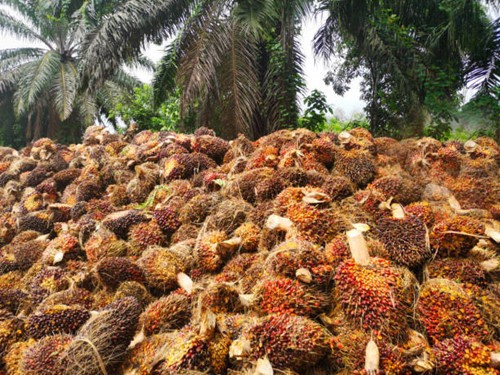
Pressure on global supply chains
Increased consumption from India is expected to help release inventories in leading producing countries such as Indonesia and Malaysia. This will support the price of benchmark FCPOc3 palm oil on the Malaysian exchange, but will put significant downward pressure on Boc2 soybean oil in the US market.
Notably, many soybean oil orders from South America have been canceled due to the weakening rupee and price differentials between domestic and imported goods. Aashish Acharya, Vice President of Patanjali Foods Ltd., stated that approximately 35,000-40,000 tons of soybean oil from Brazil and Argentina, scheduled for delivery between February and April-July, have been canceled. The total number of canceled orders in this period could exceed 50,000 tons.
Short-term market outlook
India currently relies on foreign sources for nearly 60% of its domestic vegetable oil consumption. The country primarily sources palm oil from Southeast Asia and imports soybean and sunflower oils from Argentina, Brazil, Russia, and Ukraine.
Sandeep Bajoria, CEO of Sunvin Group, commented: "Palm oil imports are expected to continue their upward trend in February 2026. Meanwhile, soybean and sunflower oil will remain under downward pressure due to price barriers and exchange rate volatility." Official data from the Indian Palm Oil Producers Association is expected to be released in mid-February to confirm these estimates.


