
India tightens silver imports: Requires licenses for granular and powdered silver.
The Indian government has placed granular and powdered silver on a restricted import list, requiring businesses to obtain licenses in order to reduce the trade deficit and stabilize the exchange rate.
On June 3rd, the Indian government officially announced the addition of granular silver, powdered silver, and silver with a purity of 99.9% to the list of restricted imported goods. Under the new regulations, businesses wishing to bring these items into the domestic market are required to obtain a valid license from the Directorate General for Foreign Trade (DGFT).
Control of foreign currency inflows
This move follows last month's decision, when India placed 99.9% pure silver ingots and semi-finished products on a restricted list. Simultaneously, import duties on gold and silver were sharply increased from 6% to 15%. The tightening of regulations aims to reduce the amount of precious metals purchased from abroad, thereby easing pressure on foreign exchange reserves amid persistently high energy import costs.
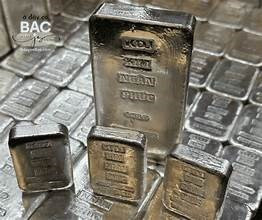
Figures from India's Ministry of Commerce show that the country spent a record $12 billion importing silver in the financial year ending March 2026, a sharp increase from the $4.8 billion of the previous year. In April alone, India's silver imports increased by 157% year-on-year, reaching $411 million.
Challenges for the precious metals supply chain
In India, silver is widely used in the production of jewelry, coins, and industrial sectors such as solar energy and electronics. Over the past year, demand for silver there has been driven primarily by investment rather than traditional consumption. Inflows into silver ETFs have also reached record highs.
A Mumbai-based precious metals trader working for a private bank commented that the government is making imports more difficult. Currently, importers must seek prior approval, and it remains unclear how long the licensing process will take or what the specific criteria for approval will be.
Currently, India imports silver primarily from countries including the United Arab Emirates, the United Kingdom, and China. Maintaining these tightening measures reflects the government's efforts to control the trade deficit and protect the rupee from global market fluctuations.


