
India leases Russian Akula nuclear submarines for $2 billion.
Economic Times: India signs lease agreement for Akula-class nuclear attack submarines after nearly 10 years of negotiations; representatives to visit Russian shipyard in November. Not for use in conflict, for training purposes.
The Economic Times, citing informed sources, reported that India has signed an agreement to lease Russian Akula-class nuclear attack submarines worth approximately $2 billion. Negotiations that lasted nearly ten years reached an agreement; Indian representatives visited a Russian shipyard in November to finalize the price and terms. Under the lease terms, Moscow's attack submarines will not be used in the event of conflict. The primary objective is to train the crew and gain operational experience while New Delhi builds its own nuclear submarines.
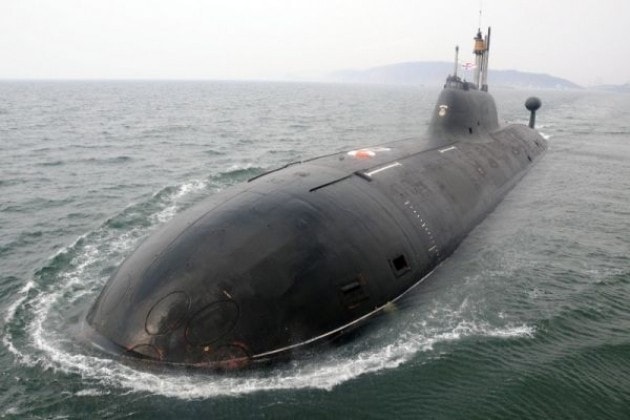
Transaction overview and objectives
According to sources, the lease agreement aims to help India shorten its learning curve as it transitions from diesel-electric submarines to nuclear-powered submarines. India currently operates 17 diesel-powered submarines. Nuclear-powered submarines are typically used for strategic deterrence; the lease will support personnel training, establish maintenance and operational procedures, and prepare for the planned construction of new nuclear-powered attack submarines developed by India.
Technical analysis: Akula-class submarines according to source
The source describes the key parameters of the Akula-class nuclear attack submarine as follows.
| Category | Specifications (according to source) |
|---|---|
| Length | nearly 172 m |
| Width | 25.5 m |
| Displacement when submerged | 48,000 tons |
| Motivation | two OKB-650 nuclear reactors |
| Power | a total of nearly 100,000 horsepower |
| Speed when floating | 44 km/h |
| Speed while diving | nearly 50 km/h |
| Weapons | R-39 missile (16 m long, 84 tons weight, range nearly 7,210 km; 10 nuclear warheads, each 100 kilotons; capable of striking multiple targets independently) |
The source emphasized that nuclear-powered submarines are far superior to diesel-electric submarines in terms of size, ability to remain submerged for longer periods, and quietness, making them difficult to track, especially when patrolling large areas.
Operational and training significance
Leasing nuclear submarines allows India to build operational capabilities in real-world conditions: from crew training and nuclear safety procedures to logistics and maintenance management. Even if the terms stipulate that the submarines cannot be used in conflict, this foundation still provides a combat readiness advantage: the crews become accustomed to the intensity of prolonged deployments, stealth operations, and coordinated anti-submarine warfare.
Theoretically, nuclear-powered attack submarines (SSNs) are typically tasked with anti-submarine warfare, escorting, and tracking enemy targets. According to sources, India is also preparing to build nuclear-powered attack submarines designed to destroy and neutralize enemy submarines and surface vessels. Experience gained from the lease agreement will serve as a foundation for transferring procedures and standardizing personnel for the future SSN force.
General comparison: nuclear and diesel-electric
- Submersible time: nuclear-powered submarines can remain submerged for longer periods, making them suitable for extended patrols.
- Noise level and stealth capabilities: nuclear-powered ships are described as quieter and harder to track.
- Operating range: advantageous when patrolling large areas.
- Size and payload: nuclear-powered ships are larger, allowing them to carry a wider variety of systems and equipment.
These differences, according to the source, explain why nuclear submarine forces are often associated with strategic deterrence and long-term presence control at sea, while diesel-electric submarines prove effective in coastal environments and short-duration missions.
Impact and prospects
The agreement, worth approximately $2 billion, helps India shorten the path to mastering nuclear submarine technology – from personnel to engineering processes. In the short term, the contract enhances training capabilities and prepares New Delhi for its nuclear-powered attack submarine program. In the long term, the experience gained from operating a nuclear-powered platform is expected to contribute to improved strategic deterrence and anti-submarine warfare capabilities.
Note: The specifications and terms mentioned in this article are quoted from the Economic Times and its sources.


