
Don't throw away the mangosteen peel after eating it; it has amazing benefits.
The flesh of the mangosteen is sweet and refreshing, making it a popular summer fruit, but few people know that its peel also has unexpected health benefits.
The mangosteen tree originates from the island nations of Southeast Asia and was introduced to Vietnam, where it is grown in the South, in provinces such as Thu Dau Mot, Tay Ninh, and Gia Dinh, for its fruit.
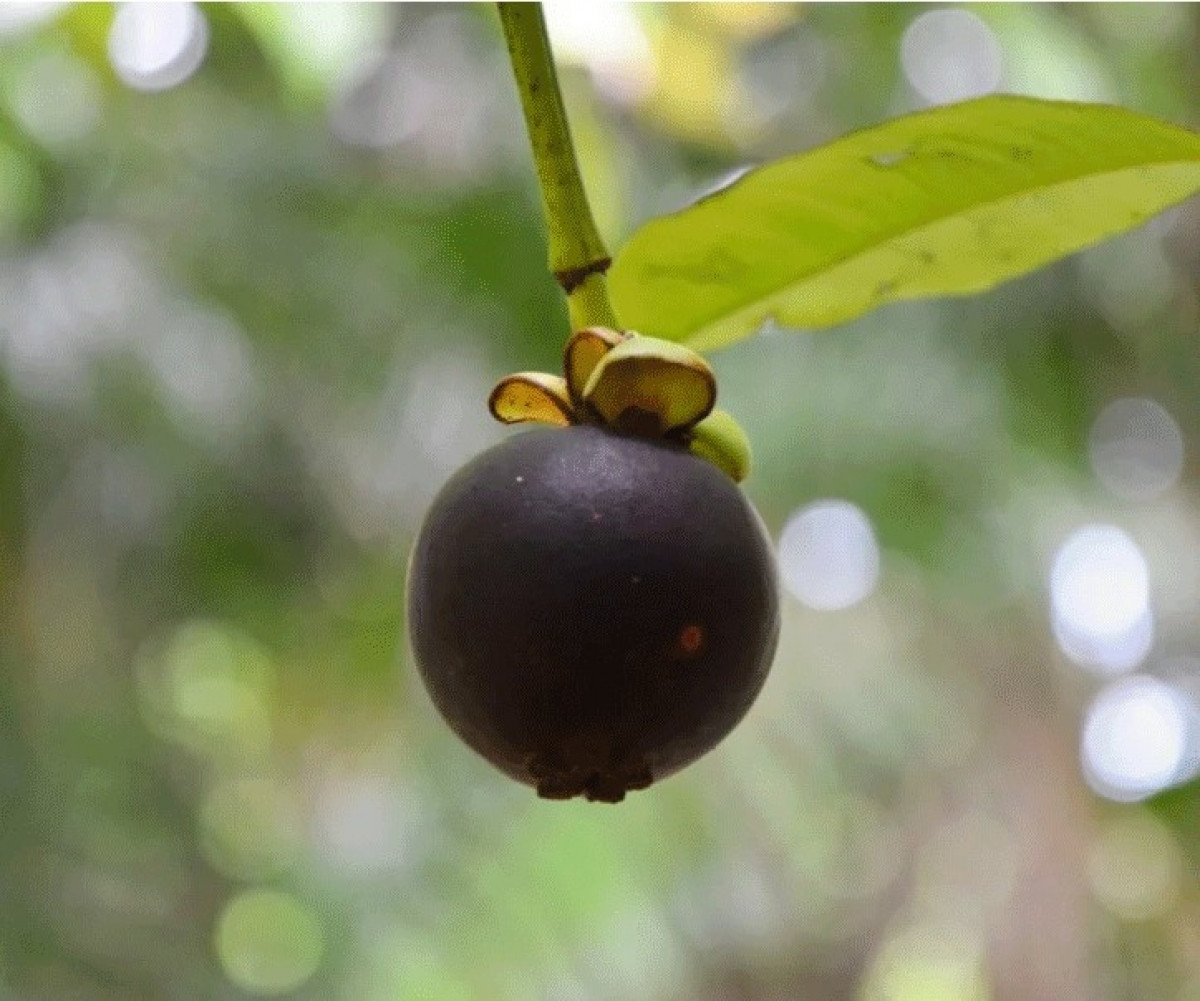
The mangosteen tree is large, 20-25m tall, with low-growing branches and yellow sap. The leaves are thick, tough, dark green, oblong, and tapering to a point at the tip. Male flowers are in clusters of 3-9 with bracts; hermaphrodite flowers have stalks and nodes. The fruit is spherical, about the size of an orange, with a calyx at the base. The outer peel is purplish-red, while the inside is bright red, resembling wine, and is thick and spongy. Inside the fruit are 6-16 seeds, surrounded by a white coating; the flesh is fragrant and delicious.
According to scientist and general practitioner Bui Dac Sang (Vietnam Academy of Science and Technology, Hanoi Traditional Medicine Association), mangosteen is a fruit whose flesh is eaten and whose peel is used as medicine. According to traditional medicine, mangosteen has an astringent taste and acts as an astringent and antidiarrheal agent. The mangosteen peel is known to contain xanthones, which have antibacterial, anti-inflammatory, and antioxidant properties that help prevent cancer and fight aging.
 |
Don't throw away the mangosteen peel after eating it. |
According to herbalist Bui Dac Sang, mangosteen peel, when consumed alone (with only mangosteen), is often difficult to drink. Mangosteen is usually combined with other herbs and plants found around the house, such as fennel seeds and ginger, to make it easier to drink and enhance its medicinal properties. Below are some lesser-known benefits of mangosteen peel:
Treating diarrheaThe peel of the mangosteen fruit contains compounds that are excellent for the body's digestive function and eliminate bacteria that cause diarrhea. Boil 24g of dried mangosteen peel and 2g of fennel seeds together and drink the decoction.
You can also try this remedy: Put 10 mangosteen peels into an earthenware pot, cover tightly with a banana leaf. Then, boil until the water turns very dark, and drink 3-4 cups daily. This method effectively stops diarrhea because mangosteen peels contain tannins, making them very astringent.
Treating dysenteryIngredients: 6g mangosteen peel, 8g centella asiatica, 8g knotgrass, 6g green tea, 8g purslane, 8g euphorbia hirta, 4g tangerine peel, 4g licorice, 3 slices ginger. Boil in water and drink throughout the day.
Treat bad breathIngredients: 1 mangosteen peel, enough honey, 200ml water. Blend the flesh of the mangosteen peel with honey and 200ml water, strain to remove the pulp, and drink. To enhance the flavor, you can add sugar and ice, as mangosteen peel contains tannins and has a bitter taste.
Treating irregular menstruationBoil 20g of dried mangosteen peel in water and drink the decoction.
Treating freckles20g of fresh mangosteen peel. Use a spoon to scrape out the soft inner flesh of the mangosteen peel, blend it into a paste, mix with honey, and apply to the face to nourish the skin, fight aging, and treat freckles.
Lowering blood cholesterolUse a sufficient amount of dried mangosteen peel to make a tea substitute. This drink is also very good for burning excess fat for those trying to lose weight. In addition, mangosteen tea also has the effect of preventing cancer and fighting aging.


