
Android 17 Launched: A Transformation into an Intelligent Operating System with Gemini Intelligence
Google officially introduced Android 17, focusing on the Gemini Intelligence AI agent, the Rambler input tool, and the Pause Points feature for monitoring usage habits.
At the Android Show 2026 event, Google officially launched Android 17, marking a significant shift from a simple operating system to a fully intelligent system. Instead of just providing a platform for running applications, Android 17 deeply integrates major language models to change how users interact with their devices.
Gemini Intelligence: The era of AI agents on mobile devices.
The core highlight of Android 17 is Gemini Intelligence, a significant step beyond traditional virtual assistants. Google positions it as an "AI agent" capable of performing complex multi-step task sequences on behalf of the user. Instead of simply responding to questions, Gemini Intelligence can automatically search for information in Gmail, add books to a shopping cart, or convert a list of notes into a complete order on e-commerce platforms.
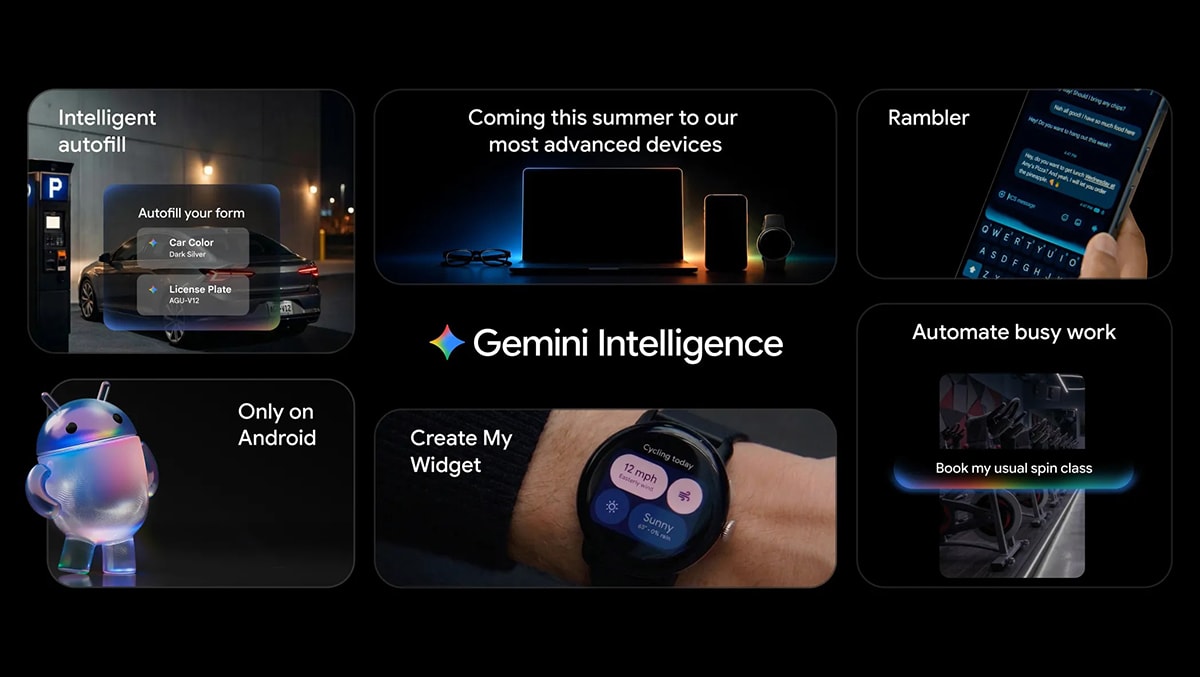
Notably, this artificial intelligence is capable of understanding context from real-world images. Users can take a picture of a travel guide and ask the AI to search for similar deals on a booking app. To ensure privacy, Google designed the system to allow users to monitor processing progress through real-time notifications and to have the right to interrupt any task at any time.
Rambler and Vibe-code: Redefining input and personalization
In addition, Android 17 introduces Rambler – a groundbreaking upgrade to the Gboard keyboard. Unlike conventional dictation, Rambler uses AI to understand intent and natural communication styles. The system can remove filler words like "uh" and "ah," and automatically correct disjointed or jumbled sentences into coherent, structured text. Importantly, Rambler offers flexible multilingual support, allowing it to handle mixed-language dialogue while maintaining nuances.
In terms of interface, the Vibe-code feature allows users to "program" widgets through text descriptions. Based on the Material Expressive design language, these widgets can be customized to specific needs, such as weekly meal plans or in-depth weather reports, creating a strong personal touch on the home screen.
Pause Points: A technical solution for controlling digital habits.
To improve users' mental health, Android 17 integrates Pause Points to limit excessive social media browsing. When users access distracting apps like Facebook or TikTok, the system will display a 10-second waiting screen to allow for a moment of reflection.
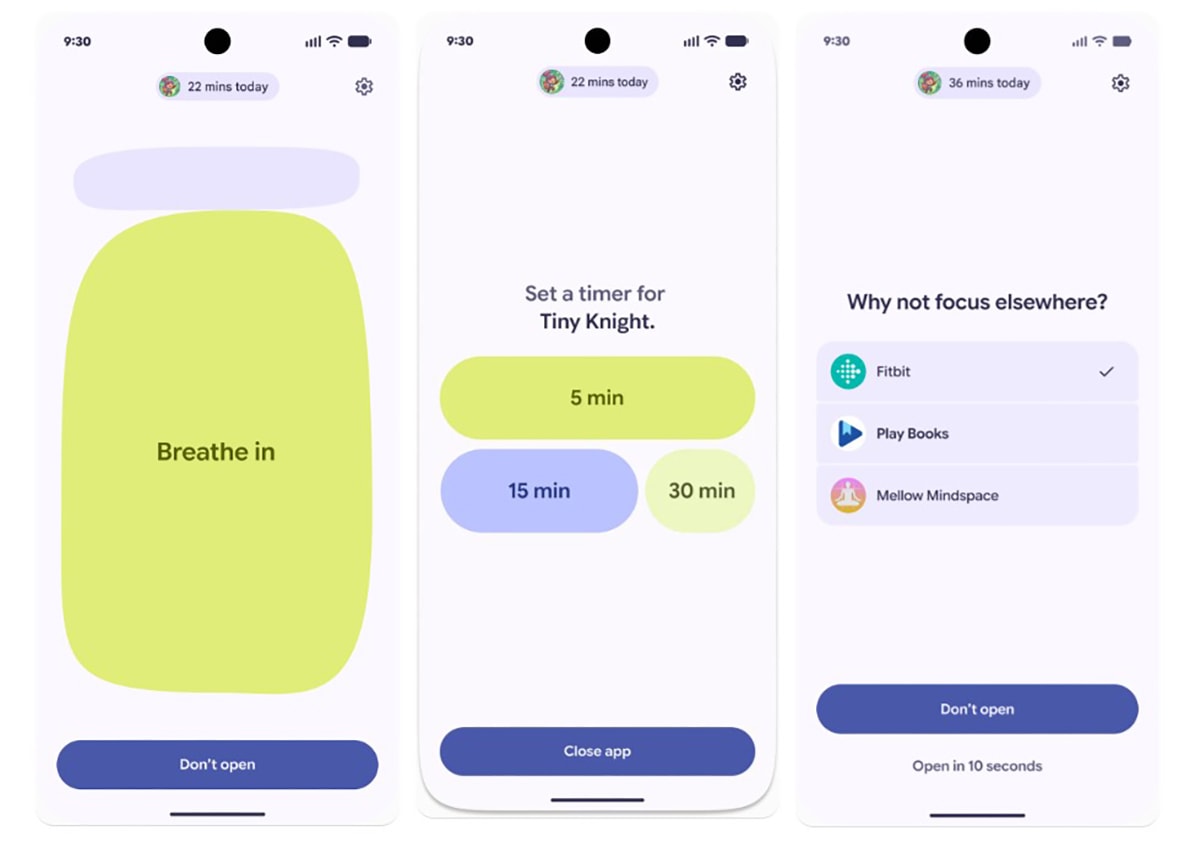
This mechanism is more tightly controlled than previous time management applications. If a user wants to completely disable Pause Points, the system requires a device restart, forcing users to be truly serious about the limits they have set.
Optimized for content creation and multitasking.
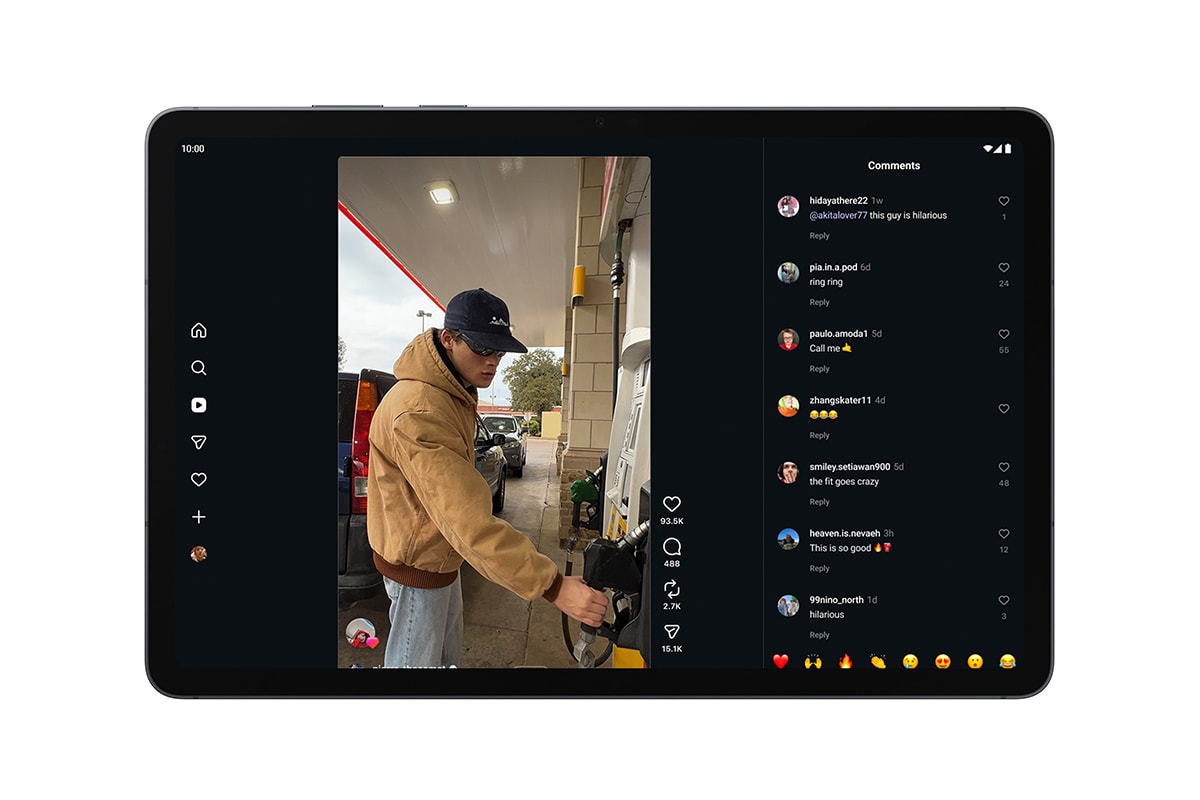
Google also focuses on enhancing the experience for content creators through features like Screen Reactions, which supports recording selfie videos simultaneously with on-screen content. The collaboration with Meta helps Instagram on Android 17 achieve iPhone-level quality, supporting Ultra HDR, built-in video stabilization, and Night Sight directly within the app.
Multitasking capabilities have also been enhanced with App Bubbles. This feature allows you to minimize any app into a floating bubble, similar to Facebook Messenger's Chat Bubbles, enabling users to interact with multiple apps simultaneously without switching screens.
According to the roadmap, Pixel and Samsung Galaxy devices will be the first to receive the Android 17 update this summer, before it is widely rolled out to other brands by the end of 2026.


