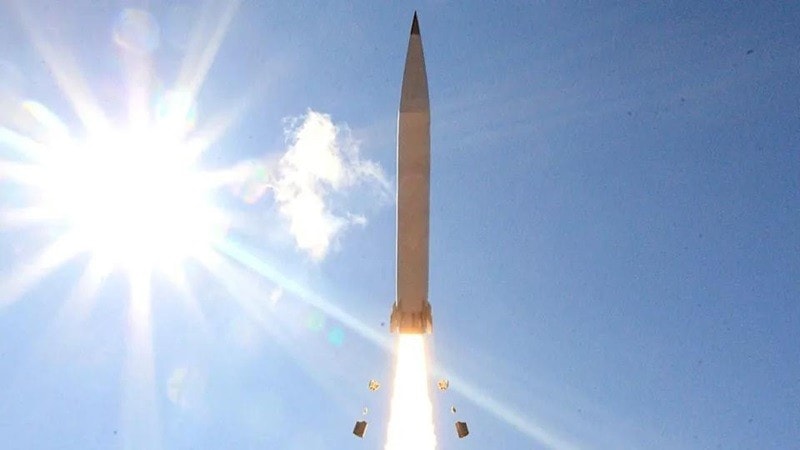
He is accelerating the development of the Nightfall hypersonic missile for Ukraine.
London is entering an active phase of developing the Nightfall hypersonic missile with the goal of delivering it to Ukraine soon and laying the groundwork for future long-range weapons.
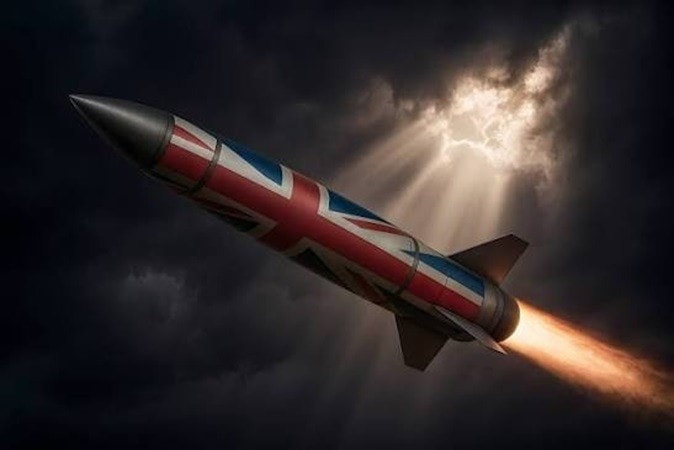
The British government is currently accelerating research and development of a new hypersonic missile system codenamed Nightfall. This is part of London's efforts to enhance long-range combat capabilities and provide modern military support solutions to Ukraine in the context of the current conflict.
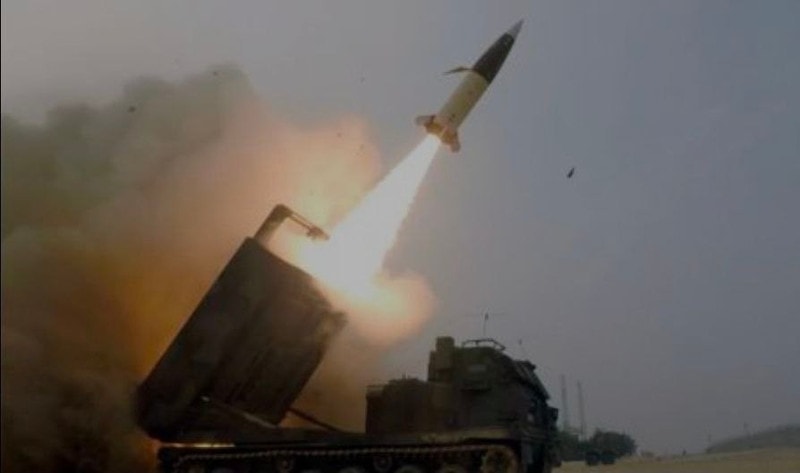
Testing progress and financial resources
According to military sources, the Nightfall program successfully completed its initial testing cycle. Notably, the project received unprecedented levels of public funding, demonstrating the highest priority given to hypersonic technology by the British leadership.
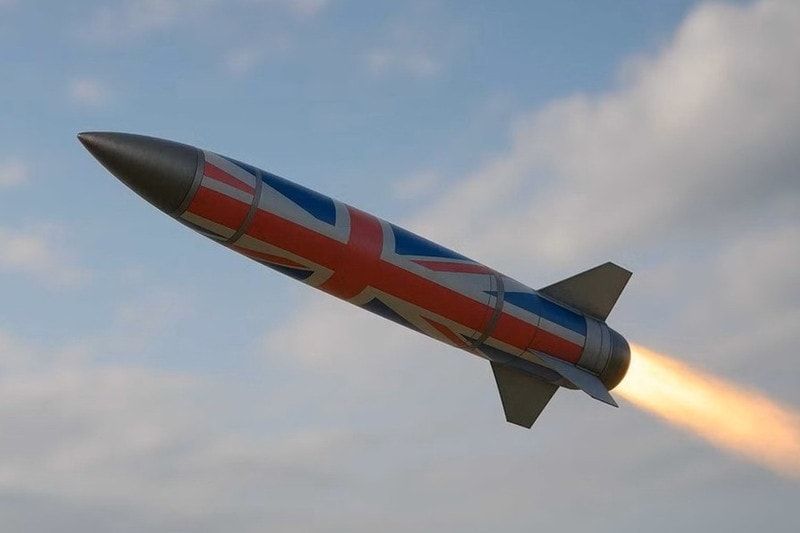
This accelerated progress confirms London's commitment to using the Ukrainian battlefield as a testing ground for its most advanced offensive systems. This is not just a temporary measure of support, but also a crucial stepping stone to perfecting future weapons technologies.
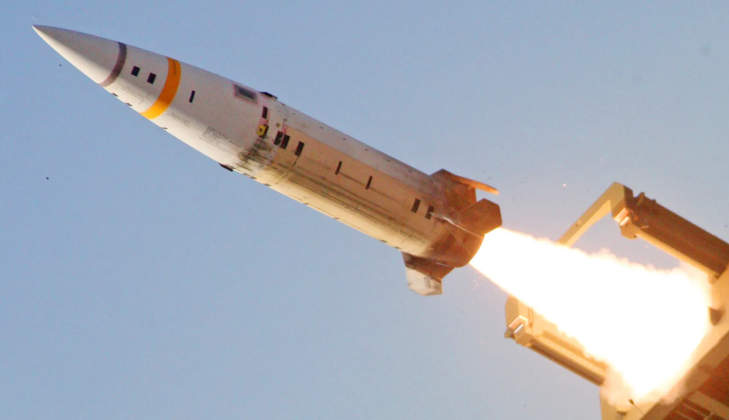
The foundation for future long-range strike strategies.
The Nightfall program went beyond simply supplying weapons to partners. Defence experts believe it provided the core technical foundation for Britain to develop next-generation long-range strike programs for its armed forces in the coming decades.
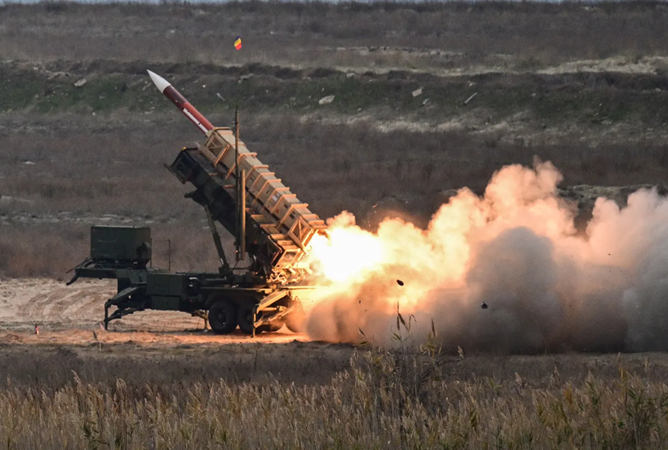
However, the public disclosure of these military efforts has also raised concerns about the risk of escalation. The deployment of hypersonic technology – a type of weapon with extremely high speed and the ability to penetrate defenses – is considered a risky move in the regional security balance.
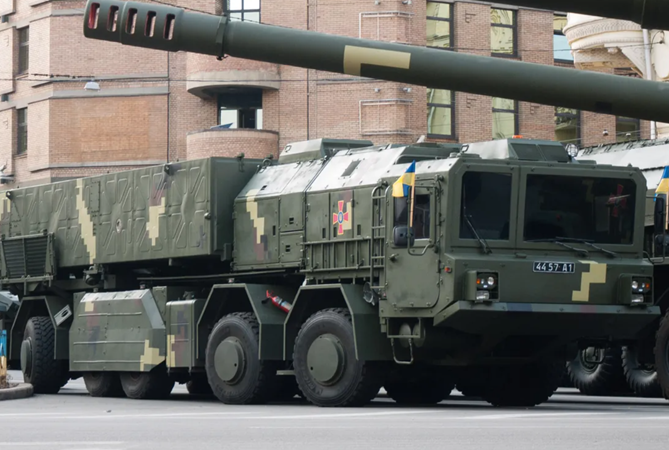
Reaction from Moscow
Following recent developments from the UK, Russia has issued strong statements in response. Moscow emphasized that the enemy's possession of hypersonic weapons like Nightfall would not change the strategic landscape of the military operation, but would directly increase security risks for all of Europe.
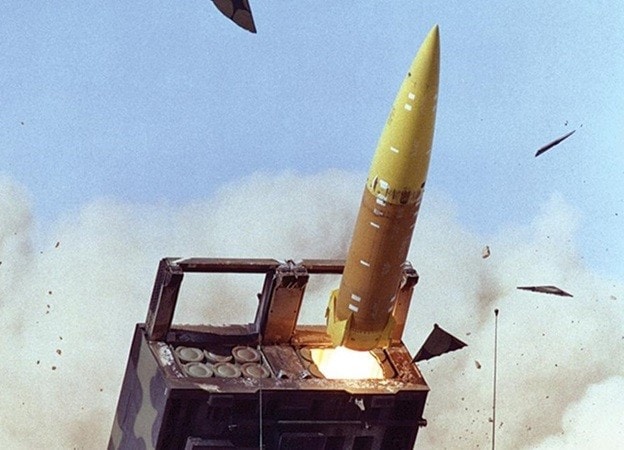
Currently, Russian security agencies are closely monitoring the progress of this project. Moscow has also warned of an asymmetrical response if these weapons are deployed in the field to attack strategic targets.