
Is Russia's gas pressure on the EU easing?
Gas prices are falling despite Russia's Gazprom shutting down the Nord Stream pipeline this week. However, concerns about winter persist.
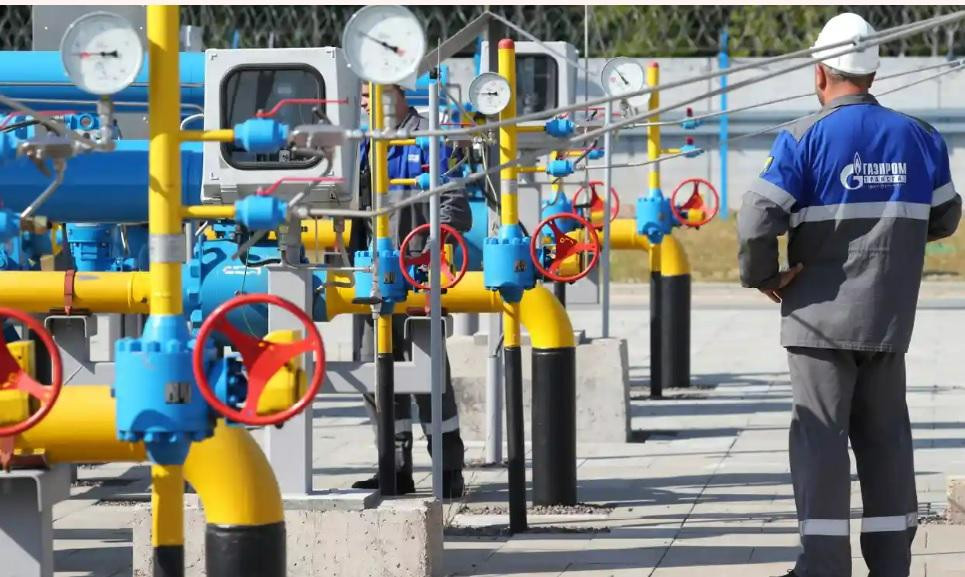 |
A Gazprom-operated compression station of the Nord Stream natural gas pipeline. Photo: Tass |
Russia shut down the Nord Stream 1 underwater gas pipeline to Germany for three days, starting on August 31, but gas prices actually fell.
Natural gas prices at the Dutch TTF hub traded at €239.10 per megawatt-hour on August 31, down from €265.33 the previous day and well below the record high of €346.52 reached at the end of July.
This is a sign that the EU's efforts to diversify supply sources, cut usage, and quickly fill reserves before winter are having an impact on the market. EU gas reserves have reached over 80%, the level the EU required to achieve by November 1st.
"Let's continue to fill storage facilities where levels are still low and implement the EU's consumption reduction plan. This will help us get through the winter safely," said EU Energy Commissioner Kadri Simson.
In Germany alone, the country's storage facilities are 83% full. "The German government was prepared for a situation where gas from Russia would not be supplied reliably. That is why we were able to react quickly and fill our gas storage facilities for the winter," German Chancellor Olaf Scholz wrote on Twitter.
Prior to the three-day shutdown, Gazprom had limited Nord Stream to one-fifth of its normal capacity and had reduced or terminated deliveries to dozens of EU countries. The company said it would suspend deliveries to French energy supplier Engie from September 1 due to a payment dispute.
Even without completely shutting down Nord Stream, Russia's supply to the EU is still significantly lower than last year's levels, when it accounted for 40% of the bloc's gas supply. Last week, Russia shipped 856 million cubic meters of gas to the EU, 68% less than the same period in 2021, according to Breugel.
The concerns remain.
The fact that the market did not react with panic when Russia shut down Nord Stream for maintenance – a statement that Western European politicians opposed – does not mean that the Kremlin cutting off deliveries will have no consequences.
"The situation is tense and the possibility of it worsening cannot be ruled out. However, gas supplies in Germany are stable," said the Bundesnetzagentur, Germany's electricity grid regulator.
"Wholesale prices have risen sharply recently and continue to remain at very high levels. Companies and private consumers must prepare for a significant increase in gas prices," the Bundesnetzagentur warned.
Even at slightly lower levels on August 31st, gas prices were still about 10 times higher than a year earlier. This impacts electricity prices due to its connection to the EU's electricity market.
EU energy ministers will meet on September 9 to discuss the situation and are expected to consider short-term measures to curb prices as well as long-term reforms to the bloc's energy market structure.
Despite the market downturn, Gazprom CEO Alexey Miller insists that gas prices will be even higher this winter "if current market trends continue".
Alexander Gabuev, a senior fellow at the Carnegie Endowment for International Peace, said the EU's progress in filling its reserves "may be enough to get through the winter, but it won't be smooth and prices will remain very high."


