
Pressure on the US arsenal: Missile consumption in the Middle East exceeds production capacity.
Military campaigns in the Middle East have severely depleted the US stockpile of Tomahawk and Patriot missiles, forcing the Pentagon to seek ways to accelerate defense production.
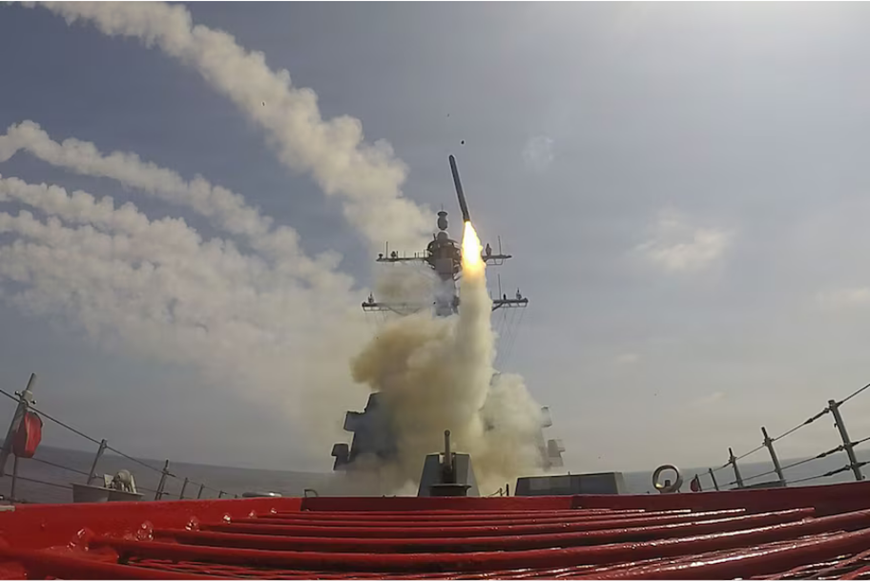
In the first four weeks of the military campaign in the Middle East, the U.S. military launched more than 850 Tomahawk cruise missiles, putting significant pressure on strategic weapons stockpiles. According to the Center for Strategic and International Studies (CSIS), this number far exceeds the number of missiles used in previous conflicts, causing deep concern among Pentagon officials about the ability to sustain long-term combat capabilities.
The challenge posed by the high consumption rate of cruise missiles.
The decline in high-tech missile stockpiles is now a top priority for the U.S. War Department. Before Operation Epic Fury, the U.S. Navy estimated it possessed between 4,000 and 4,500 Tomahawk missiles. However, with projected production of only 150 missiles per year by the end of the decade, it will take Washington many years to replenish its original stockpile.
Notably, the U.S. also deployed its entire stockpile of new Precision Strike Missiles (PrSMs). This strategic weapon had just seen its first combat deployment in history. According to The Washington Post, the intense use of expensive BVR (beyond-visual-range air combat) weapons in the first 10 days of the campaign put the missile stockpile on high alert.
The cost paradox in missile defense
In addition to offensive weapons, air defense systems like Patriot and THAAD are facing unprecedented rates of ammunition consumption. In the first 16 days of the conflict, more than 1,800 Patriot interceptor missiles were used, more than double the number Ukraine had used in four years. Bloomberg Intelligence estimates that the US and its regional partners have launched up to 1,000 PAC-3 Patriot interceptor missiles in response to attacks from Iran.
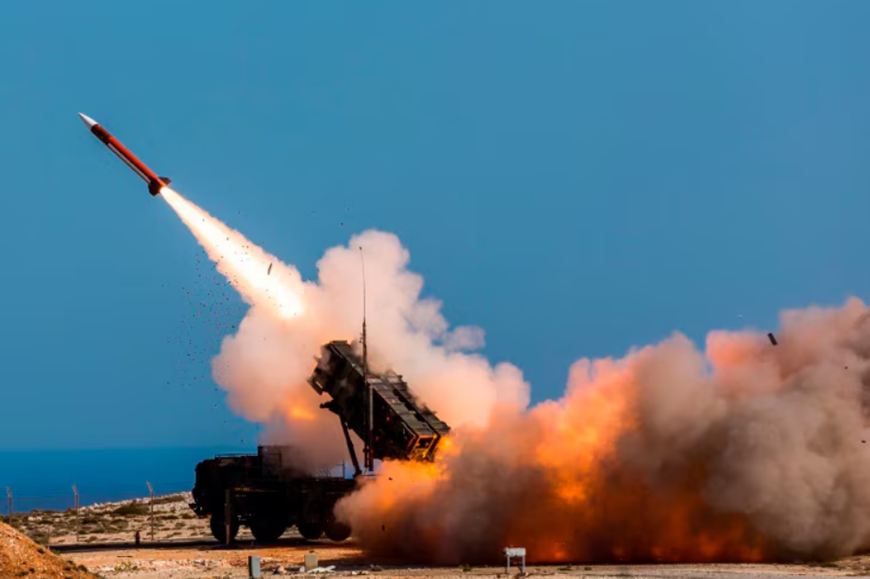
Modern warfare is revealing a strategic paradox: each PAC-3 missile, costing approximately $4 million, is being deployed to destroy unmanned aerial vehicles (UAVs) that cost only about $50,000. This disparity is not only an economic issue but also leads to the rapid depletion of air defense missile stockpiles, originally designed for sophisticated threats, by cheaper targets.
Efforts to restore national defense capabilities
To concentrate its forces in the Middle East, the US was forced to withdraw interceptor units from numerous bases worldwide. In the Gulf region, the intensity of combat operations was assessed as the greatest in decades. The United Arab Emirates (UAE) air defense forces alone intercepted 2,256 UAVs, 537 ballistic missiles, and 26 cruise missiles using US-made systems.
Faced with the depletion of weapons, the US administration has submitted a record-breaking defense budget proposal to Congress for 2027, totaling $1.5 trillion. Washington is striving to bring its defense industry into a "wartime state" to replenish its depleted stockpiles. However, experts believe the US will still need at least two to three years to completely replace the missiles depleted in this conflict.


