
Apple officially added the iPhone 5 to its list of obsolete devices, ending hardware repair support.
Apple has just moved the iPhone 5 and iPhone 4 (8GB) to its global list of obsolete products. This decision marks the complete end of all official repair and support services for these devices.
Apple has just updated its product support list, officially moving the iPhone 5 and 8GB iPhone 4 from the "vintage" category to "obsolete." Under the new regulations, users of these devices will no longer receive any hardware repair support from Apple or its authorized service providers.
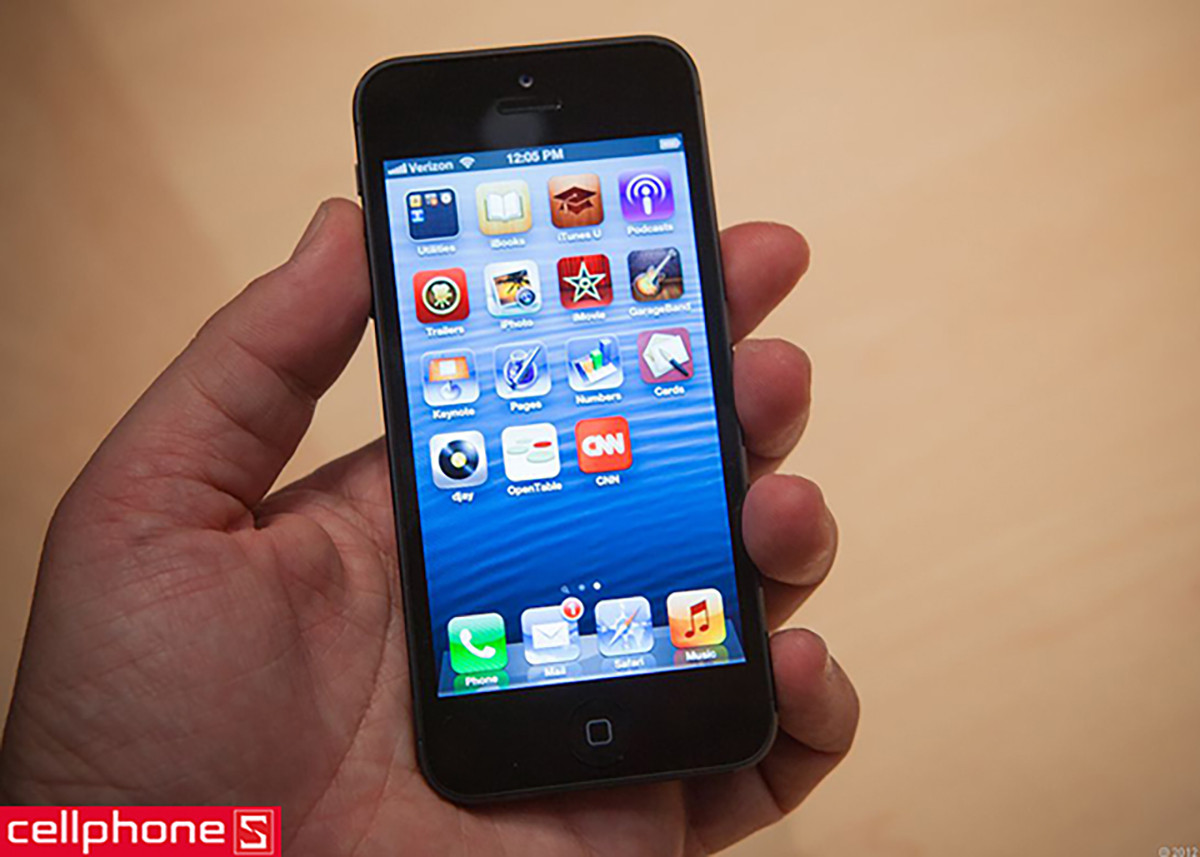
Apple's policy regarding old and obsolete products.
According to Apple's operating standards, a device is classified as "old" after 5 years from the date it ceases distribution and becomes "obsolete" after 7 years. During the period when a product is considered "old," repairs are still possible if Apple has spare parts in stock. However, once it becomes "obsolete," all technical support and replacement parts supply will cease completely.
The iPhone 5 was first introduced in 2012 and discontinued just one year later to make way for the iPhone 5s and iPhone 5c. In 2018, repair services for the device became restricted as it was added to the list of obsolete products. With the latest announcement, the technical support lifecycle for the iPhone 5 has officially ended.
The iPhone 5's technical milestone in smartphone history.
The iPhone 5 is considered one of Apple's most significant design and technological turning points. It was the first iPhone to replace the traditional 30-pin connector with the Lightning standard, laying the foundation for Apple's accessory ecosystem for over a decade before transitioning to USB-C.
In addition, the iPhone 5 also featured groundbreaking improvements for its time:
- Design:Using a unibody aluminum frame combined with glass creates a slimmer and lighter design compared to the previous generation.
- Screen:For the first time, the screen size has been increased to 4 inches with a longer aspect ratio.
- Connect:Supports high-speed LTE (4G) network.
Besides the iPhone 5, the 8GB iPhone 4 (released in 2011) also suffered the same fate. After being discontinued in 2013, this model was distributed as a budget option in emerging markets before officially becoming an outdated product.
Specifications of iPhone 5 and iPhone 4 (8GB)
| Characteristic | iPhone 4 (8GB) | iPhone 5 |
|---|---|---|
| Year of release | 2011 | 2012 |
| Connection port | 30-pin | Lightning |
| Screen | 3.5-inch Retina | 4.0-inch Retina |
| Network connection | 3G | LTE (4G) |
| Main material | Stainless steel and glass | Aluminum and glass |
Although the discontinuation of repair support is an inevitable consequence of technology devices, the departure of the iPhone 5 still evokes strong emotions within the Apple user community. It was once a symbol of a shift in design thinking in the post-Steve Jobs era, setting the standard for many subsequent generations of iPhones.


