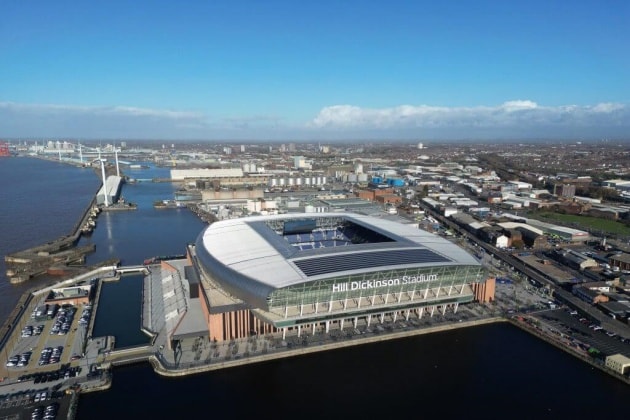
Arsenal were in excellent form, but Emirates lost to Tottenham at Stadium.
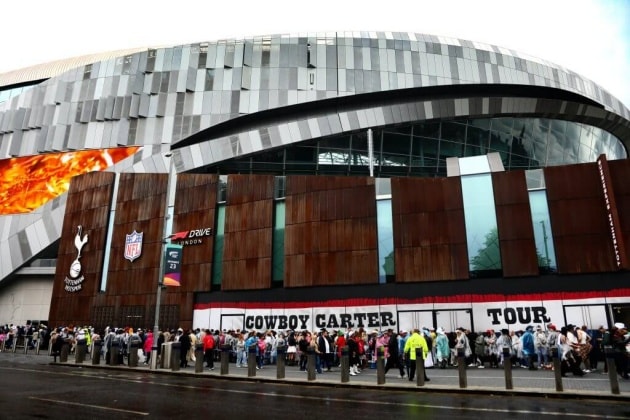
Tottenham Hotspur Stadium is a multi-purpose venue, hosting 30 events per year and generating £126 million in revenue in 2023-24, far surpassing Emirates Stadium, which only hosts 6 events and has a 10:30 pm curfew.
On the pitch, Arsenal are leading the title race under Mikel Arteta. But away from the 90 minutes of play, Tottenham are the team with the advantage, thanks to a stadium that redefines revenue and fan experience: Tottenham Hotspur Stadium.
Distance outside the pitch
While the Premier League took a break this weekend, North London remained vibrant: Emirates Stadium welcomed nearly 60,000 spectators for the Brazil-Senegal match, while Tottenham Hotspur Stadium attracted over 65,000 for the Eubank Jr.-Conor Benn boxing bout. The numbers were similar, but the completely different operating models created a stark contrast.
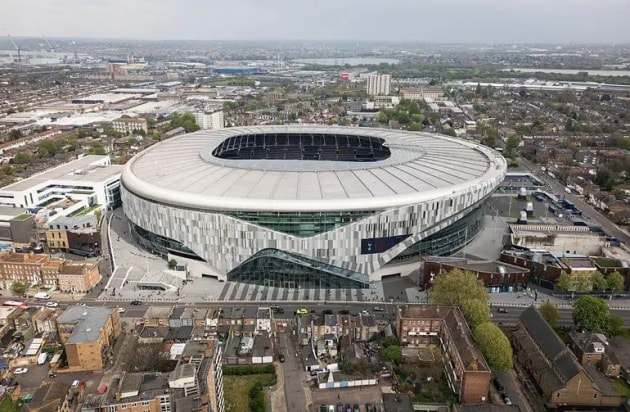
Inaugurated in 2019 at a cost of £1.2 billion, Tottenham Hotspur Stadium boasts a sliding pitch, a multi-purpose entertainment complex, an optimized LED advertising system, and a configuration suitable for football, boxing, NFL, and large-scale music events. This foundation has helped Spurs turn their home stadium into a "money-making machine".
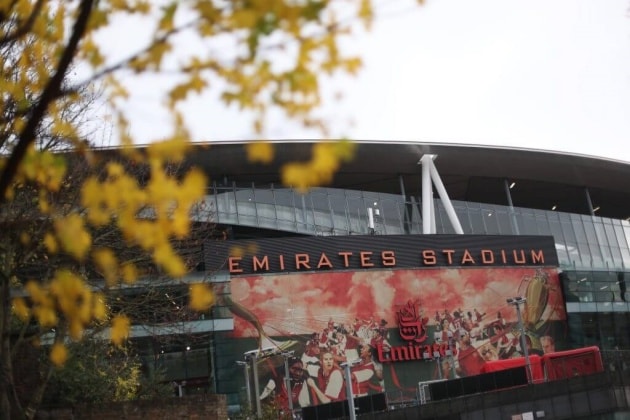
Emirates: An icon that has turned 20 years old.
Opened two decades ago, Emirates was once the modern benchmark of English football. But technology and experiential expectations have advanced far beyond the 2000s – a time when iPhones and digital platforms hadn't yet shaped audience habits. As a result, Arsenal faces many operational constraints that their rivals don't.
Revenue-generating limitations
- Event frequency: Emirates is only allowed to host a maximum of 6 non-football events per year, while Tottenham can host up to 30 events.
- Closing times: Emirates is capped at 10:30 pm; Tottenham is allowed until 11 pm – a significant difference compared to shows and boxing events which require later hours.
- Flexibility: The sliding surface allows Tottenham to host events mid-season, while Arsenal have to "wait until the end of the season," reducing the frequency of use.
Arsenal remains a destination for big names like Robbie Williams, Coldplay, and Bruce Springsteen, but they struggle to keep up with Spurs' technological advancements and modern architecture. The London club is also considering upgrading, increasing capacity, and modernizing the experience, but these plans are currently only at the conceptual stage. The limited space around Emirates Stadium makes extensive renovations a complex, expensive undertaking requiring numerous permits.
The numbers speak for themselves: Tottenham unlocks cash flow.
According to the 2023-24 financial figures, Tottenham Hotspur Stadium generated over £126 million in revenue, with £25.5 million coming from NFL and concerts – areas where Arsenal struggle to compete due to infrastructure limitations. The nearly £30 million in operating profit from the stadium provides Spurs with additional resources to invest in their squad and increase their competitiveness.
The significance ahead of the North London derby.
Ahead of the North London derby at 11:30 PM on November 23rd, Arsenal have the technical advantage: a young, deep, ambitious squad and a manager whose playing DNA is clearly being defined. But on the "stadium front," Tottenham hold the upper hand thanks to their versatile model, which allows them to optimize event schedules, time slots, and audience experiences – thereby expanding revenue beyond football.
The traditional rivalry has therefore transcended the 90 minutes, becoming a race for infrastructure and business. Sustainable financial success can gradually narrow the professional gap over time. The question remains: Is Arsenal determined enough to upgrade and avoid being left behind in this new era where the stadium is the center of the ecosystem?