
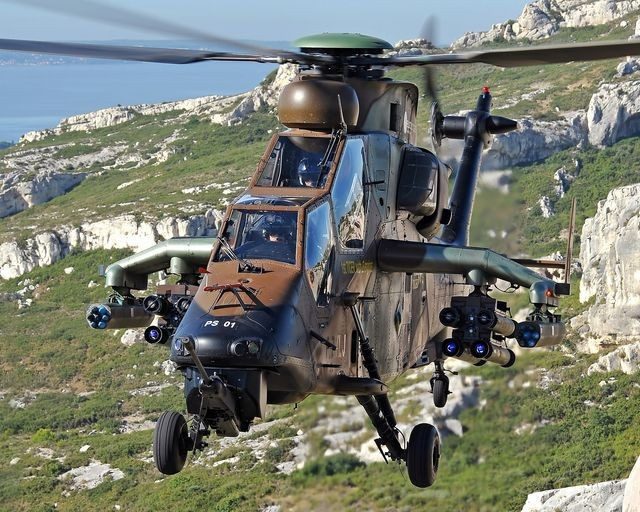
Australia is considering transferring Tiger helicopters to Ukraine.
ABC News 3/12: Canberra is considering transferring 22 Tiger helicopters, splitting the $95 million package; if approved, this would be the first time Australia has sent aircraft to Ukraine starting in February 2022.
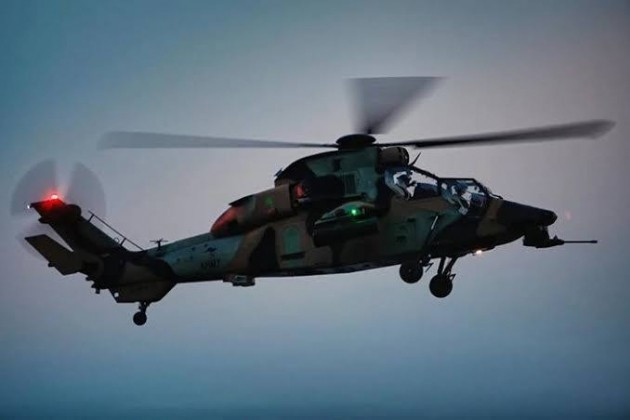
Australia is considering the possibility of transferring Tiger attack helicopters to Ukraine. ABC News reported on December 3rd, citing government sources, that the decision regarding the aircraft will be discussed separately from the new $95 million financial aid package for Kyiv. If approved, this would be the first time Australia has provided military aircraft to Ukraine since February 2022.
Overview and Review Process
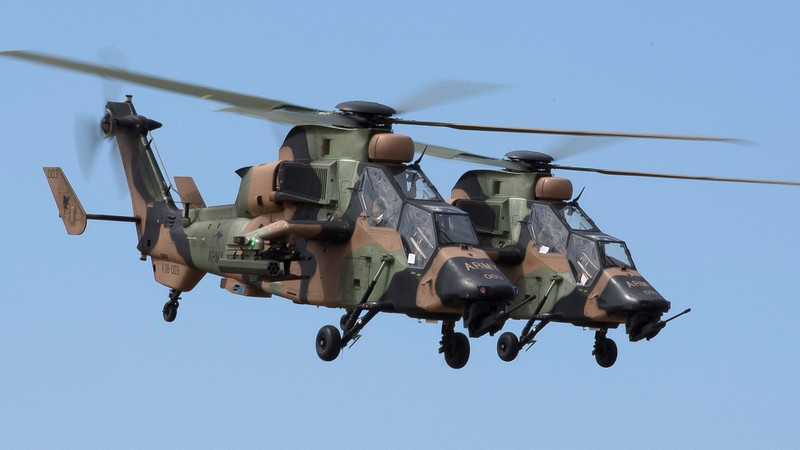
According to ABC News, the helicopter transfer is a separate topic of discussion, not included with the new cash assistance. With the aforementioned $95 million package, Australia's total support for Ukraine has reached $1.7 billion since the full-scale conflict with Russia erupted. Canberra currently possesses 22 European-made Tiger helicopters, scheduled for complete decommissioning by 2028, although this timeframe may be shortened.
Requests from Kyiv and intended use
ABC News sources indicate that Kyiv has submitted a formal request to purchase helicopters to bolster its countermeasures against Russian drones and other threats. According to ABC News, if the transfer is approved, the Tiger helicopters would be the first military aircraft Australia delivers to Ukraine since 2022.
Technical and logistical aspects (based on available data)
The information cited by ABC News includes: 22 Tiger helicopters are scheduled for decommissioning in Australia; the expected decommissioning date is 2028, but this could be shortened; and any transfer (if necessary) will be considered separately with regard to cash aid. These points highlight the questions that need to be clarified should a transfer occur, such as the combat readiness of the fleet nearing the end of its lifespan, the resources for maintaining its operation, and how to secure spare parts and supplies to ensure continued availability. These are crucial technical and logistical factors for bringing the helicopters into combat.
The operational objective directly mentioned is to enhance countermeasures against unmanned aerial vehicles (UAVs). In this context, requirements for continuous operation, equipment readiness, and appropriate maintenance schedules will be key criteria for evaluating deployment effectiveness.
Tactical aspect
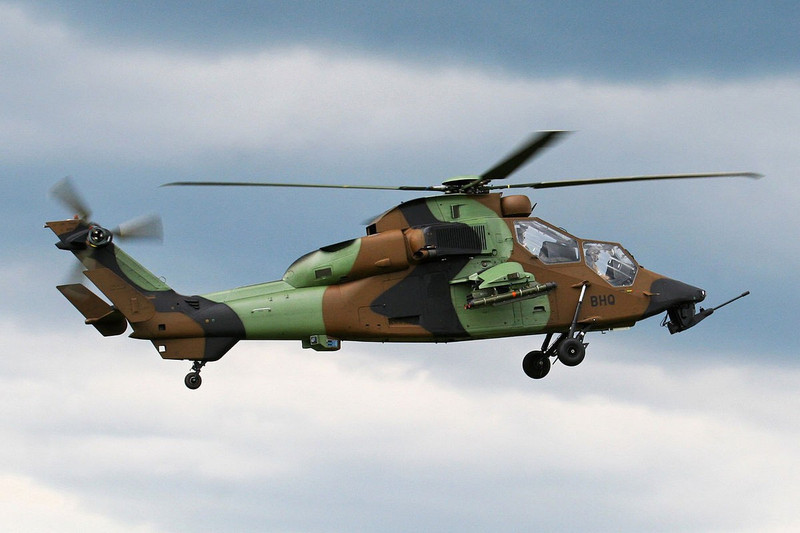
According to ABC News, Kyiv's request for helicopters stems from a need to enhance its response to UAVs and other threats. The specific role and method of operation will depend on the recipient's decision and field conditions. Therefore, any detailed assessment of deployment tactics can only be provided after a final decision and official deployment plan are in place.
Domestic debate and the political-public context
The proposal to transfer the helicopters was raised against the backdrop of criticism from the Ukrainian community in Australia regarding the government's 2024 decision to dismantle and decommission the MRH-90 Taipan fleet instead of handing them over to Kyiv for spare parts. This context reflects the socio-political pressure surrounding decisions to provide military aid to Ukraine.
Official statement and message of support
Australian Defence Minister Richard Marles once emphasized: "The people of Ukraine have proven themselves to be an inspiring example over the past four years." He added: "Given what Kyiv has shown, the Albanese government, along with the Australian people, will support them for as long as necessary."
Conclusion based on available data.
As of the time ABC News reported (December 3), the Tiger helicopter transfer plan was still under discussion. Key points included: (1) consideration as a separate matter, not included with the $95 million package; (2) if approved, this would be the first time Australia has sent military aircraft to Ukraine since February 2022; (3) Australia currently has 22 Tiger helicopters scheduled for retirement by 2028 (possibly sooner). Specific technical and logistical details and operational methods can only be determined after a final decision is made.


