
Australia forecasts record beef production of 2.9 million tonnes in 2026.
The Meat and Livestock Association of Australia (MLA) forecasts beef production in 2026 to reach a record high of 2.906 million tonnes, with the largest slaughter volume in nearly 50 years.
According to the latest report from the Meat and Livestock Association of Australia (MLA), the country's beef production in 2026 is expected to set a new historical milestone. Specifically, the estimated number of cattle slaughtered is 9.45 million, the highest level since 1978. Total beef production is projected to reach 2,906,000 tonnes, reflecting strong global demand and favorable farming conditions in key northern regions.
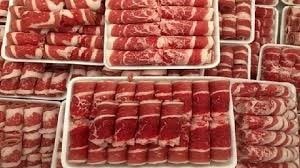
Prospects for cattle production and herd size.
Australia's cattle herd is projected to remain above 30 million in 2026 before entering a period of slight decline. MLA analysis suggests that stable production conditions in Queensland and the Northern Territory provide a solid foundation for meat production. However, by 2028, herd size could decrease by approximately 6% due to sustained high slaughter intensity.
Regarding technical indicators, the average weight of slaughtered cattle is projected to be low, around 307.5 kg. This is mainly due to the predominance of grass-fed cattle in the slaughter structure. Below is a table comparing key indicators between 2025 and the 2026 forecast:
| Target | 2025 (Estimated) | 2026 (Forecast) | Change |
|---|---|---|---|
| Meat production (tons) | 2,800,000 | 2,906,000 | +4% |
| Number of animals slaughtered (million animals) | But | 9.45 | But |
| Cattle herd size (million head) | But | > 30.0 | But |
| Average weight (kg) | But | 307.5 | But |
Export markets and global demand
Australian beef exports are projected to reach a record 2.3 million tonnes in 2026. The main driver will be the continued tightening of beef supplies from the US, creating a significant gap for Australian grass-fed lean beef. However, changing demand in key markets such as Vietnam and Indonesia remains a crucial factor to monitor, especially as rising Australian beef prices could put pressure on live cattle imports.
Alongside favorable factors, the beef industry also faces risks from geopolitical instability. Conflicts in the Middle East are predicted to impact global input and transportation costs. However, thanks to a diversified market portfolio, experts believe that demand for affordable beef in the Asian region will remain stable due to limited domestic supply in importing countries.
Price fluctuation forecast
Financially, experts forecast beef prices to remain stable in the second half of 2026. The Australian Young Beef Index (EYCI) is expected to increase by approximately 3% by June 30, 2026. Meanwhile, indices related to beef and fattening bulls are expected to fluctuate only slightly within a range of -0.3% to +0.7%, suggesting a market with low price volatility despite peak production.


